The Foundation of Modern Software Growth


For many years, security was viewed as just a locked door tucked away in the office. It was important, sure, but most people did not think about it unless there was a breach. Development teams operated in their own bubble, focusing on building features, fixing bugs, and releasing updates. Security teams worked alongside engineering, reviewing policies, performing audits, and sending out lengthy lists of vulnerabilities that no one wanted to address. The notion that security could influence a companys growth, affect how teams develop software, and serve as the foundation for modernization was not a common idea.
Now, that viewpoint has changed dramatically. Security is no longer just a department, it has become the lifeblood of every company that creates code. It affects the speed of development, the trust of customers, the reliability of systems, and even the public image of the brand. Modernization, which involves upgrading old systems, transitioning to new architectures, rewriting outdated code, and embracing cloud-native environments, cannot happen without security driving the change. Every refactor, every migration, and every upgrade is viewed through a security lens.
Companies that used to view security as something optional now consider it essential for survival. A single security breach can wipe out years of trust. A leaked password can halt production entirely. An outdated software dependency can put millions of records at risk. The move from conventional security methods to the current era of automated, security-focused code modernization represents one of the most significant changes in the tech industry.
This change did not occur suddenly. It developed out of necessity, driven by real incidents, failures, breaches, and the understanding that modernizing without security is merely a quicker route to increased risk. As companies adapted, they found that security does not hinder development, when implemented correctly, it speeds up the entire process.
To grasp how significantly security influences a company, its beneficial to reflect on our origins.In the early stages of software development, security was quite rudimentary. Developers would write code, deploy it, and simply hope for the best. Passwords were kept in plaintext or used basic hashing methods. APIs had very little authentication. Data moved freely across networks without any encryption. Logs captured everything including sensitive data without any access controls. Companies were unaware of their dependencies or the third party libraries they depended on. Everything was done manually: manual audits, manual penetration tests, manual updates. Modernization just meant rewriting parts of the system or shifting to a new server, with no assurance that the updated system was any safer.
As companies expanded and software systems became more interconnected, the flaws in this method started to become apparent. A vulnerability in one internal service could jeopardize the entire organization. A simple SQL injection error in a login form could reveal customer databases. Unpatched systems were taken advantage of. Hardcoded credentials found their way into public repositories. Employees clicked on phishing links that installed malware on corporate networks.
Security incidents that were once minor suddenly turned into huge problems. Attackers became more advanced, and companies came to understand that technology alone could not repair a system built on weak foundations. For the first time, security transformed into a company wide discussion rather than just a checklist.
As digital transformation sped up, the complexity of security increased as well. Companies transitioned from on-premises servers to the cloud, from monolithic architectures to microservices, and from small development teams to global engineering organizations operating around the clock. The pace of innovation surpassed the capacity of humans to manually check, review, and secure systems.
This marked the beginning of the modern era of security. Rather than viewing security as a separate phase to address after development, companies began to weave it into the core of their engineering processes. Security evolved into a fundamental aspect of modernization, rather than being an afterthought. Automated scanners, static analysis tools, dependency audits, secret detectors, SAST, DAST, code-level vulnerability engines, and secure CI/CD pipelines started to influence how companies write, deploy, and maintain software.
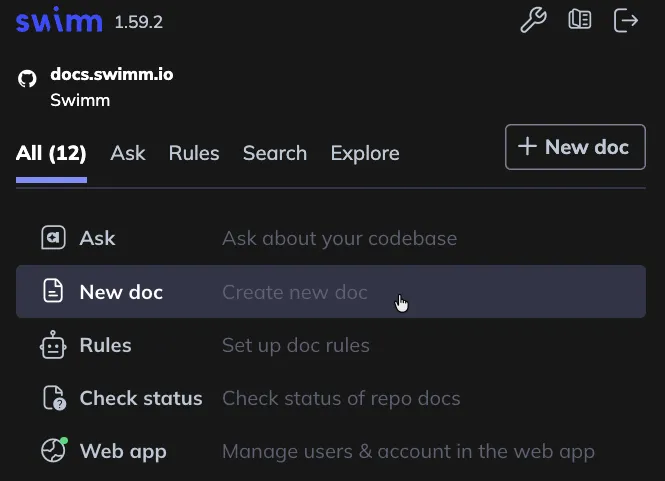
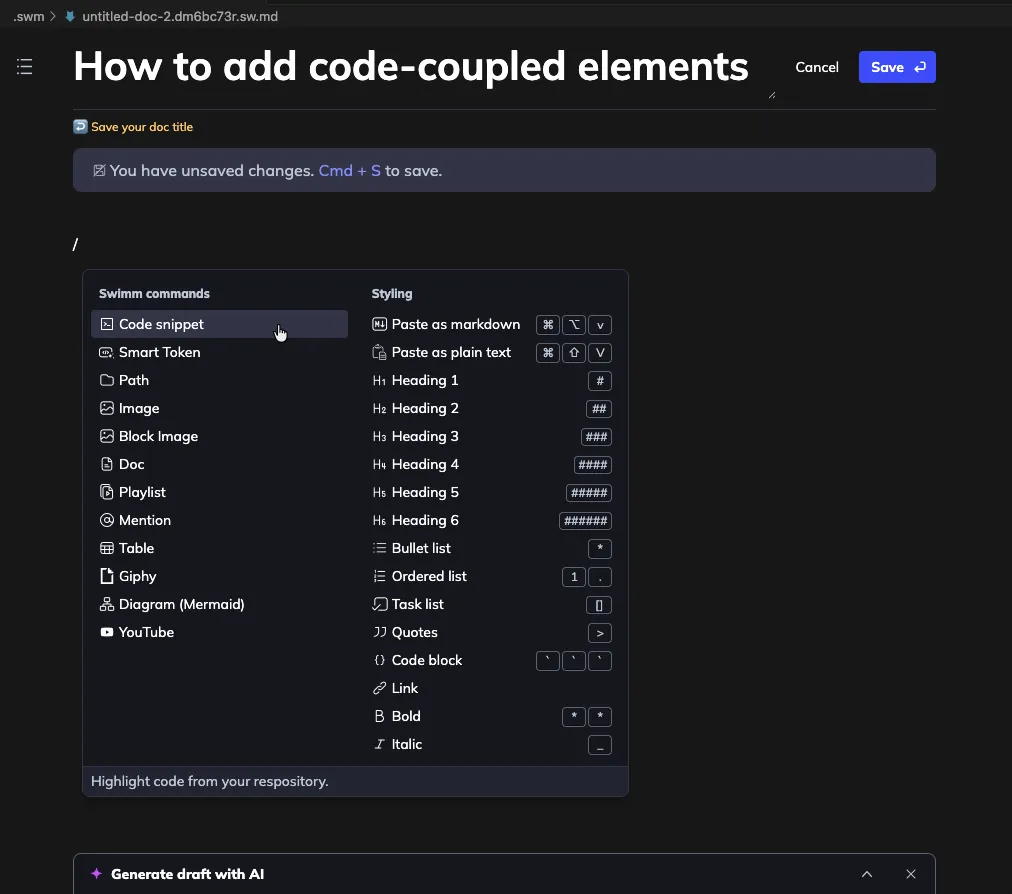
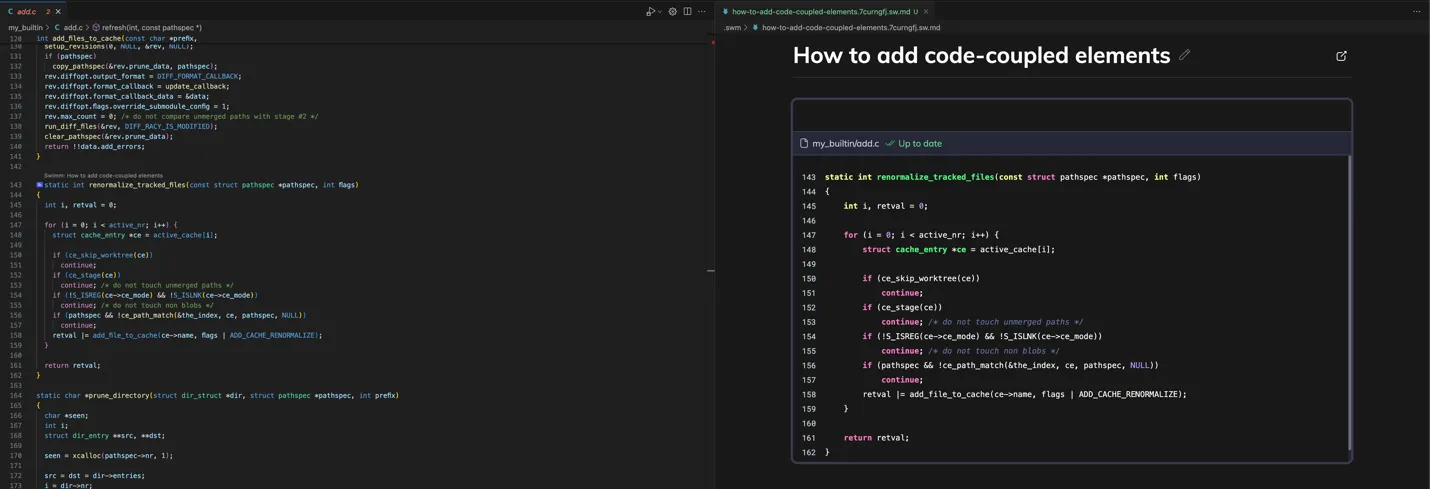
Security began to shape design decisions, architectural choices, and entire development workflows. Nowadays, when companies modernize an application, they do not just upgrade frameworks or rewrite controllers, they assess encryption standards, authentication flows, security headers, database queries, dependency health, and exposure to the public internet. Modernization has become synonymous with security modernization.
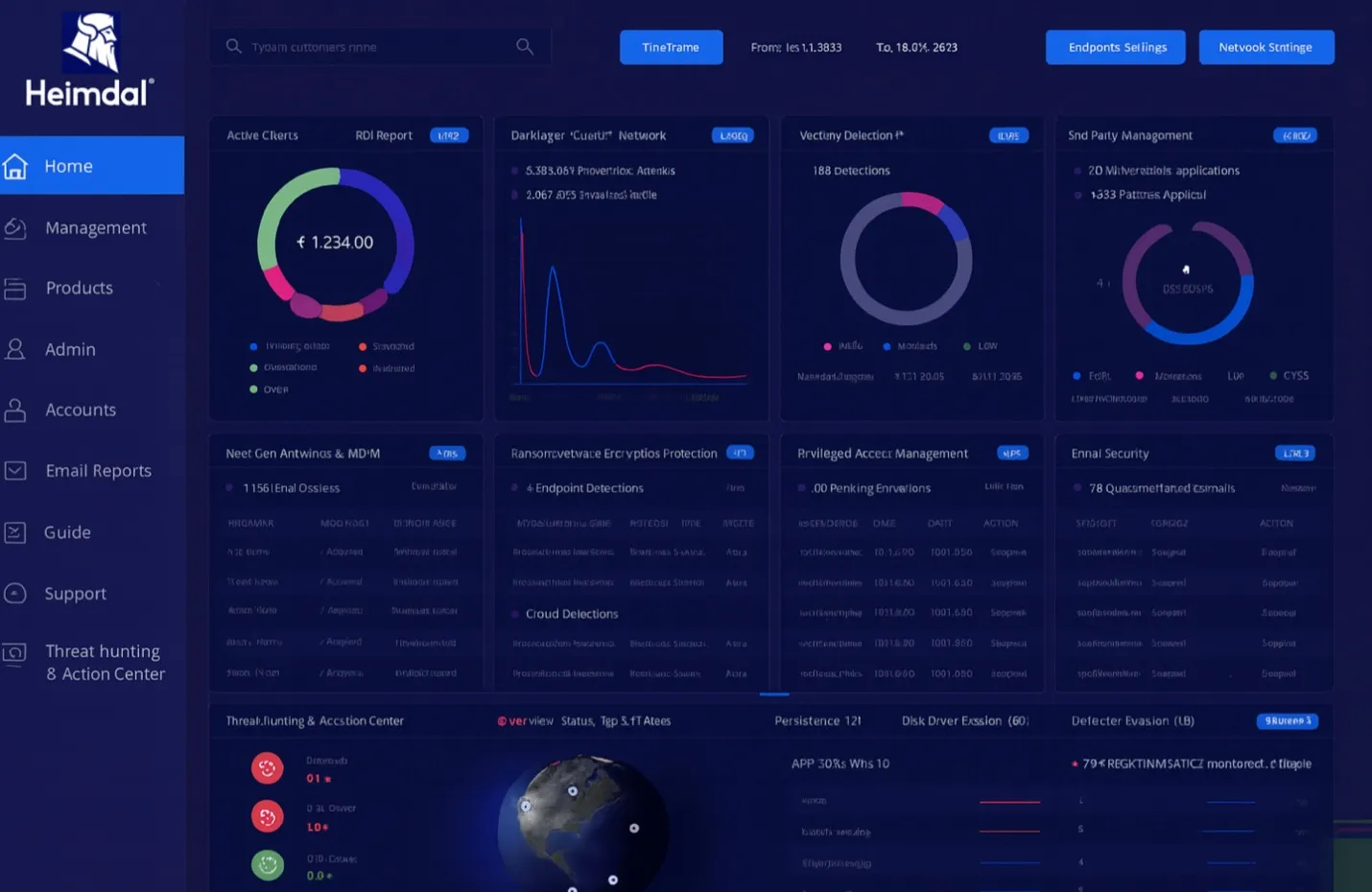
Companies realized that every aspect of the system impacts security, the frameworks they utilize, how they manage secrets, the reasoning behind authorization checks, the server configurations, the library dependency tree, the logging arrangements, the password hash functions, and even the organization of their repositories. New security platforms have emerged to assist teams in quickly identifying vulnerabilities and guiding them through modernization with clarity and precision.
Suddenly, developers found themselves supported. They had tools that highlighted outdated dependencies, deprecated functions, hardcoded secrets, risks of SQL injection, weak cryptography, insecure file uploads, missing security headers, and misconfigured cloud resources. These platforms offered immediate visibility and empowered developers to modernize without the fear of disrupting production.
This transformation not only altered how software is secured but also changed how companies function. A company that practices strong security earns customer trust. Investors consider security maturity when assessing a company's reliability. Partnerships necessitate security certifications. Compliance frameworks like SOC 2, ISO 27001, HIPAA, and PCI-DSS have become essential for conducting business. Modernization is now seen not just as a technical upgrade but as a facilitator for business. Companies that prioritize security can operate more swiftly. They can roll out features faster because automated tools evaluate code risks in real time. They ensure stability even during significant migrations since vulnerabilities are identified early. They attract top-tier engineers because a secure engineering culture reflects technical maturity.
Security influences company culture more than many leaders understand. When security is seen as a collective responsibility instead of a separate task, teams communicate more effectively, document more thoroughly, design better, and take accountability for their actions. Developers produce cleaner code, adhere to best practices, steer clear of shortcuts, and learn from each update. Over time, this culture builds upon itself. Companies that prioritize security from the start end up with cleaner codebases, fewer outages, enhanced reliability, and more robust infrastructures.
A significant change took place when companies started to automate security as part of their modernization efforts. Traditional security depended heavily on humans manually reviewing code, conducting scheduled penetration tests, and keeping track of vulnerabilities in spreadsheets. Nowadays, modern companies integrate automated scanners directly into their CI pipelines. Each pull request activates static analysis. Each push initiates dependency safety checks. Each deployment incorporates configuration validation. The systems protect themselves in real time.
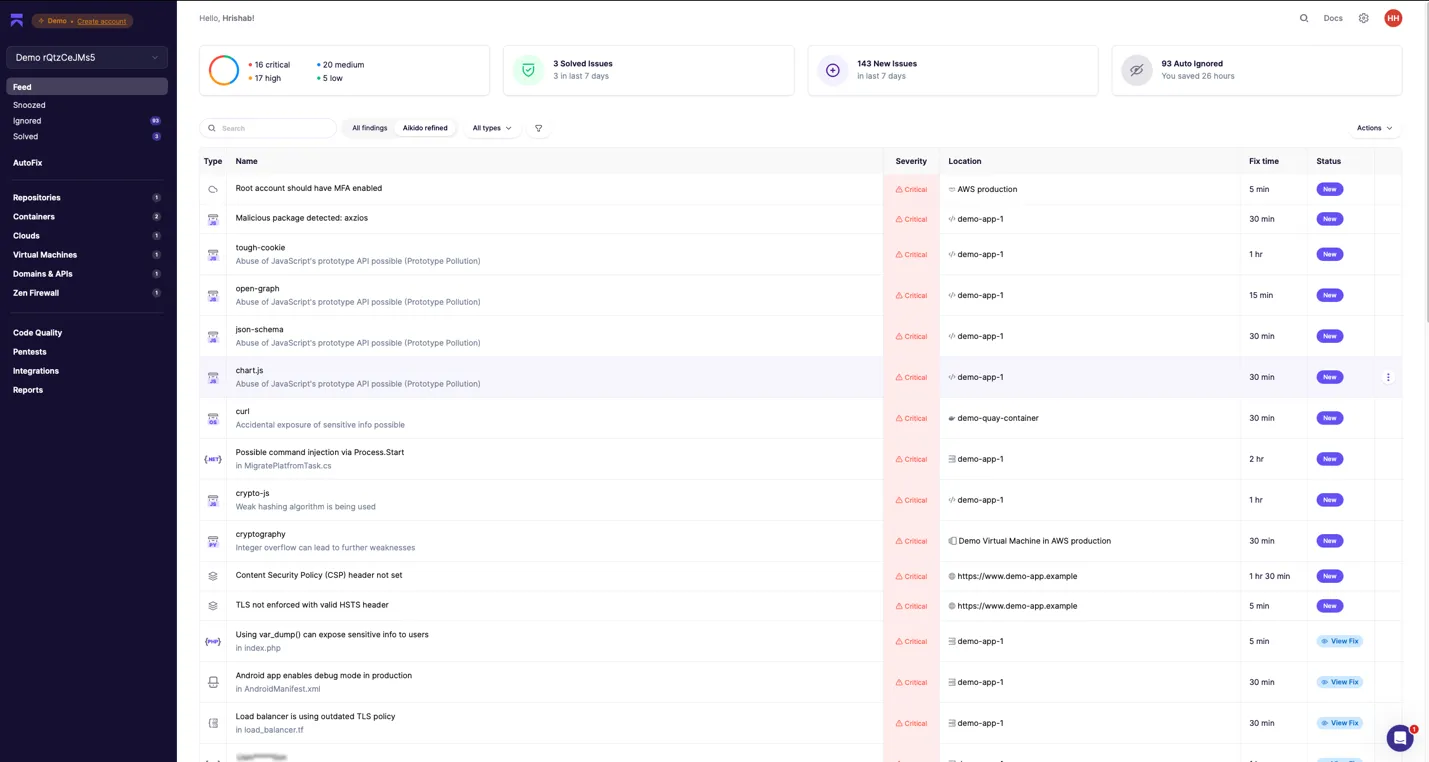
This automation has unleashed a new pace of innovation. Developers no longer need to memorize every potential vulnerability, cryptographic best practice, HTTP header enhancement, or dependency version. The system highlights issues as they arise. Modernization is no longer a once-a-year task, it evolves into an ongoing process.
Companies moved from “security at the end”
to “security during development”
and finally to “security everywhere, all the time.”
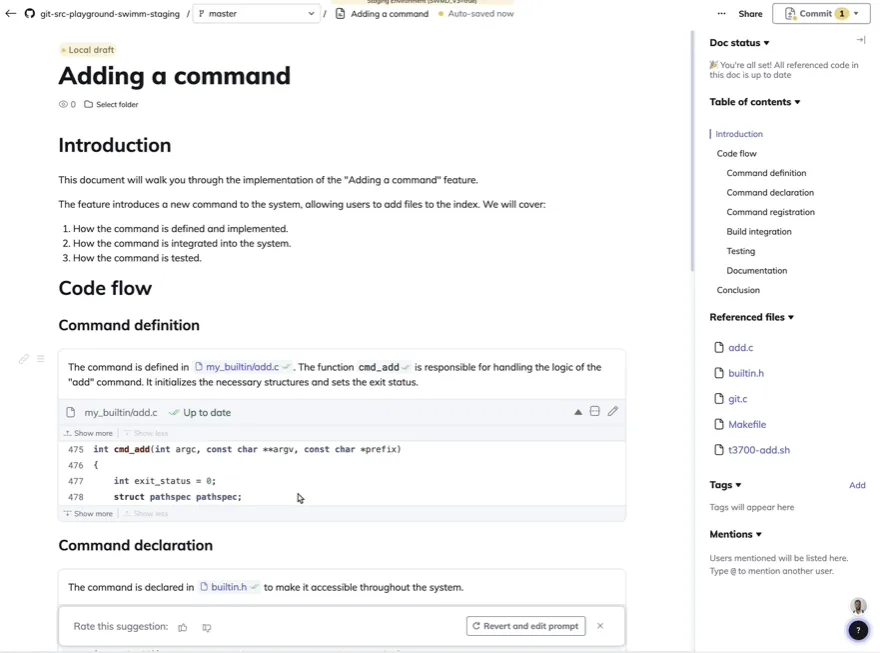
The changes in code modernization are impressive. Back in the day, updating an old system was a tough and risky job. Nowadays, modernization platforms can suggest patches, point out risky paths, find unsafe logic, and show exactly where the old code is located. They help with upgrading frameworks, rewriting risky functions, moving authentication systems, cleaning up git history, and mapping out attack surfaces.
Security updates code not just to enhance safety but also to ensure its easier to maintain. Weak security often indicates poor coding practices. When vulnerabilities are addressed, the quality of the code improves. When hardcoded secrets are eliminated, the structure gets better. When outdated libraries are refreshed, APIs become more streamlined. When unsafe file uploads are fixed, the architecture becomes more robust. Security acts as a force that propels all of engineering forward.
In this way, security is not just an expense, its a driving force. It speeds up modernization, boosts engineering efficiency, builds trust, minimizes downtime, and safeguards the company’s future. It affects how companies recruit, how they manage data, how they design their systems, how they select technologies, and how they strategize for the long haul.
The contemporary business recognizes that security is no longer a choice. It serves as the bedrock for growth, innovation, and modernization. In a time when attacks are automated, scalable, and relentless, companies lacking modern security measures do not just lag, they put themselves at risk of disastrous failure.
We are currently experiencing the golden age of modernization driven by automated security. Tools do not substitute engineers; they enhance their capabilities. They eliminate the anxiety associated with modernization and replace it with understanding. They uncover problems that humans cannot detect on a large scale. They safeguard companies in the background while engineers focus on innovation in the foreground. Modern businesses do not perceive security as merely a barrier; they regard it as a guiding compass for every decision.
This is the future, development, modernization, and security intricately linked into a single, seamless system. The companies that adopt this future will be the ones that progress the quickest, create the safest environments, and gain the highest levels of trust in a world were software reigns supreme.