


.svg.png)


The digital twin in energy management represents a revolutionary convergence of IoT, artificial intelligence, and advanced analytics that is fundamentally transforming how organizations monitor, optimize, and control energy systems. As the energy sector confronts mounting challenges—from rising energy consumption and sustainability mandates to the complexity of integrating renewable energy sources and managing distributed energy resources—digital twin technologies emerge as the critical enabler for achieving unprecedented energy efficiency and operational excellence. This comprehensive guide explores how organizations can leverage digital twins to revolutionize building energy performance, optimize energy consumption, and create smart energy ecosystems that deliver measurable results. Whether you're implementing smart building automation, developing renewable energy systems, or seeking to improve energy performance across industrial facilities, understanding how to effectively use digital twins is essential for success in today's rapidly evolving energy landscape.
What Are Digital Twins in the Energy Sector and How Do They Work?
Digital twin technologies in the energy sector create sophisticated virtual replicas of physical energy systems that enable real-time monitoring, predictive analytics, and optimization capabilities impossible with traditional energy management approaches. A digital twin represents far more than simple monitoring—it creates dynamic, bidirectional connections between physical assets and digital models that continuously evolve based on operational data, creating digital replica environments for testing and optimization.
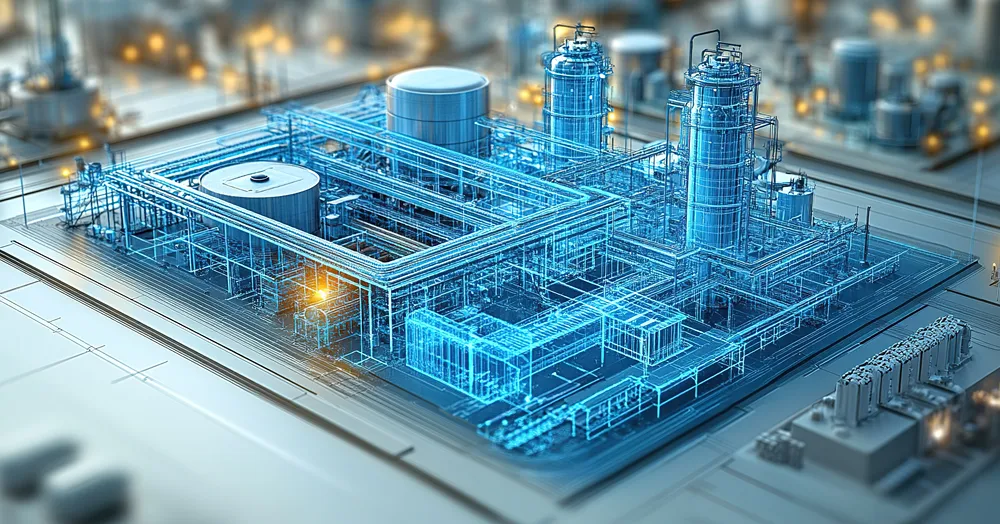
The digital twin platform architecture typically encompasses multiple layers: the physical system layer containing actual energy assets equipped with IoT sensors; the connectivity layer managing data management and communication protocols; the digital model layer containing mathematical representations and simulations; the analytics layer performing optimization and prediction; and the application management interface presenting insights to users. This layered digital twin architecture enables organizations to model complex energy systems from individual components to entire facilities.
According to research from the U.S. Department of Energy, organizations implementing digital twins for energy management achieve energy consumption reductions of 15-30% through predictive maintenance, real-time optimization, and data-driven decision-making. The digital twin creates feedback loops where operational data continuously refines model accuracy, while model predictions guide operational decisions to optimize energy performance across the energy system.
IoT sensors form the critical foundation for digital twin functionality, providing the continuous data streams necessary for maintaining synchronization between physical and digital representations. Modern IoT platforms can monitor thousands of data points per second across energy systems, from temperature and humidity in building energy applications to voltage and frequency in smart grid systems. This data management infrastructure enables digital twins to capture nuanced performance characteristics and identify optimization opportunities that would be invisible to traditional management system approaches.
What Are the Key Applications of Digital Twin Technologies in Energy Management?
The application of digital twin technology in energy management spans the entire spectrum of energy operations, from individual building systems to utility-scale renewable energy installations and distributed energy resources. Digital twins in the energy sector enable organizations to model system complexity, predict future states, and optimize performance in ways that deliver measurable improvements in energy efficiency and operational excellence.
In building energy management, digital twin applications create comprehensive representations of HVAC systems, lighting, building envelope performance, and occupant behavior. These models enable facility managers to test different control strategies virtually, simulate energy scenarios, and identify optimization opportunities before implementing changes in physical systems. The digital twin framework for improving building energy performance enables automatic adjustments based on occupancy patterns, weather forecasts, and energy pricing signals, achieving energy efficiency improvements of 20-30% in many commercial buildings.
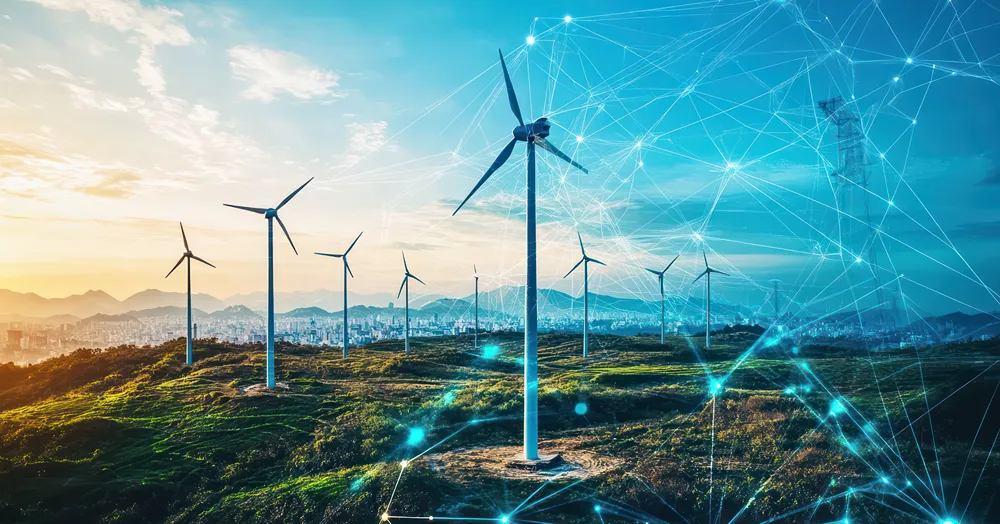
For renewable energy systems, digital twin technologies model solar arrays, wind turbines, and energy storage installations with high fidelity. The digital twin can forecast energy production based on weather predictions, equipment condition, and historical performance data, enabling better integration with smart grid infrastructure. Digital twins to model variable renewable energy sources help grid operators balance supply and demand more effectively while maximizing utilization of clean energy resources.
The International Energy Agency reports that use digital twins for renewable energy integration can improve forecast accuracy by 25-35%, directly translating to reduced curtailment and better economics. Digital twin applications in industrial energy management enable sophisticated optimization of process heating, compressed air systems, and other major energy consumers, while smart building applications coordinate lighting, HVAC, and plug loads to minimize energy consumption without compromising comfort or productivity. Organizations focused on federal B2G strategy understand that demonstrating advanced digital twin capabilities can provide significant advantages in competing for government energy efficiency and smart cities initiatives.
How Do Digital Twins Enable IoT-Driven Energy Optimization?
Digital twins enable IoT-driven energy optimization by creating intelligent frameworks that transform raw sensor data into actionable insights and automatic control actions. The convergence of IoT sensing, digital modeling, and artificial intelligence creates system digital twins capable of continuous learning and autonomous optimization that improves energy performance over time.
IoT sensors deployed throughout energy systems capture granular data on equipment operation, environmental conditions, energy consumption patterns, and system performance. This data feeds into digital twin models that compare actual performance against expected behavior, identifying anomalies, inefficiencies, and optimization opportunities in real-time. The integration of digital twin and IoT technologies enables proactive management of energy systems rather than reactive responses to problems.
Advanced digital twin platform implementations incorporate machine learning algorithms that discover optimization strategies from operational data. These algorithms can identify subtle patterns in energy consumption that correlate with specific operational conditions, enabling predictive control strategies that anticipate energy demand changes and adjust system operation proactively. For example, smart building systems can pre-cool spaces before peak demand periods or adjust ventilation rates based on predicted occupancy rather than waiting for conditions to change.
Research from IEEE demonstrates that IoT-enabled digital twins achieve 25-40% better energy performance optimization compared to traditional building automation systems. The capabilities of digital twins extend to coordinating multiple energy systems across facilities, campuses, or portfolios, enabling holistic optimization that considers interactions between different energy consumers and producers. Digital twins to monitor IoT sensor data in real-time while simultaneously running simulations of alternative scenarios represents a powerful combination that delivers superior energy management outcomes. Organizations with expertise in time tracking for large government contracts recognize that the rigorous documentation and performance tracking required for government work translates directly to the disciplined approaches necessary for successful digital twin implementation.
What Role Do Digital Twins Play in Building Energy Management and Smart Buildings?
Digital twins play a transformative role in building energy management by creating comprehensive virtual representations of building systems that enable unprecedented visibility, control, and optimization. The smart building concept reaches its full potential when powered by digital twin technology that integrates HVAC, lighting, plug loads, envelope performance, and occupant behavior into holistic energy management platforms.
Building energy digital twins model thermal dynamics, airflow patterns, equipment performance curves, and occupant comfort parameters to optimize system operation continuously. These models account for complex interactions between different building systems—for example, how internal heat gain from lighting and equipment affects HVAC cooling requirements, or how natural ventilation opportunities vary with outdoor conditions. This holistic approach to management of energy in buildings delivers superior results compared to optimizing individual systems in isolation.
The potential of digital twins in building energy management extends to predictive maintenance strategies that fundamentally change how facilities are maintained. Digital twins to improve energy efficiency while simultaneously reducing maintenance costs represent significant value propositions. The digital twin continuously analyzes IoT sensor data from building equipment, identifying subtle changes that indicate developing problems before they result in failures or significant energy waste. This predictive capability enables maintenance teams to intervene precisely when needed, avoiding both premature maintenance and unexpected failures.
According to Gartner research, smart building implementations leveraging digital twin technology achieve 20-35% improvements in energy efficiency while simultaneously improving occupant comfort and reducing maintenance costs. Systems improving building energy management through digital transformation deliver compounding benefits as the models learn from operational data and become increasingly sophisticated. The digital twins offer a comprehensive platform for testing renovation scenarios virtually, understanding how adding insulation, upgrading HVAC equipment, or installing renewable energy systems would affect overall energy performance before making expensive capital commitments.
How Can Organizations Leverage Digital Twins to Reduce Energy Consumption?
Organizations seeking to reduce energy consumption can leverage digital twins through systematic approaches that combine visibility, analytics, and optimization across energy systems. The use of digital twin technology enables identification and elimination of energy waste while maintaining or improving operational performance and comfort.
The first step in using digital twins to reduce energy waste involves establishing comprehensive baseline understanding of current energy consumption patterns. The digital twin collects data from IoT sensors deployed throughout facilities, creating detailed pictures of how energy is used across different systems, times, and operating conditions. This granular visibility reveals opportunities to optimize energy consumption that would be invisible to aggregate utility meter data or traditional energy management systems.
Digital twins facilitate testing of different optimization strategies virtually before implementing them in physical systems. Organizations can simulate the impact of adjusting temperature setpoints, modifying lighting schedules, or implementing demand response strategies to understand their effects on energy consumption, operational performance, and occupant comfort. This simulation capability accelerates the identification of effective energy reduction measures while eliminating trial-and-error approaches that risk disrupting operations.
The integration of digital twins with building automation and control systems enables automatic implementation of optimization strategies. Rather than requiring manual interventions, the digital twin can continuously adjust system operation based on current conditions, predicted future states, and optimization objectives. This autonomous optimization ensures energy systems always operate at peak efficiency without requiring constant attention from facility managers.
Research published in the Journal of Building Engineering indicates that organizations improving energy efficiency through digital twin implementation achieve reductions in energy consumption of 15-30% within the first year, with continuing improvements as models become more sophisticated. The capabilities of digital twin technology to continuously learn and adapt means energy performance improvements compound over time rather than degrading as often occurs with static energy efficiency measures. Organizations experienced in cyber security govcon understand that protecting IoT and digital twin platforms from cyber threats is essential to maintaining the operational integrity necessary for achieving energy reduction goals.
What Are the Benefits of Digital Twins for Renewable Energy Integration?
The integration of digital twin technology with renewable energy systems delivers transformative benefits for managing the variability and uncertainty inherent in variable renewable energy sources. Digital twins create sophisticated platforms for forecasting renewable energy production, optimizing energy storage dispatch, and coordinating renewable energy systems with conventional generation and demand.
Digital twins to model solar and wind energy production incorporate weather forecasts, equipment performance characteristics, and historical data to predict output with significantly greater accuracy than traditional forecasting methods. These predictions enable grid operators and facility managers to anticipate renewable energy availability and coordinate other energy resources more effectively. The digital twin can simulate energy scenarios to test different integration strategies, understanding how adding energy storage, implementing demand response, or adjusting conventional generation schedules would affect overall system performance and economics.
For distributed energy resources including rooftop solar, small wind turbines, and battery storage in home and commercial applications, digital twin technology enables sophisticated coordination that maximizes self-consumption of renewable energy while maintaining grid stability. The digital twin models the entire energy system including generation, storage, loads, and grid interaction, optimizing dispatch decisions to minimize costs while achieving sustainability objectives.
The National Renewable Energy Laboratory reports that renewable energy systems enhanced with digital twin capabilities achieve 20-30% better economic performance through improved forecasting, optimized storage dispatch, and reduced curtailment. Digital twins provide the visibility and control necessary to handle high penetrations of renewable energy sources while maintaining reliability and power quality. This capability becomes increasingly critical as the energy sector transitions toward sustainable energy systems, with digital transformation enabling far higher levels of renewable energy integration than possible with traditional management approaches.
How Do Digital Twins Support Distributed Energy Resource Management?
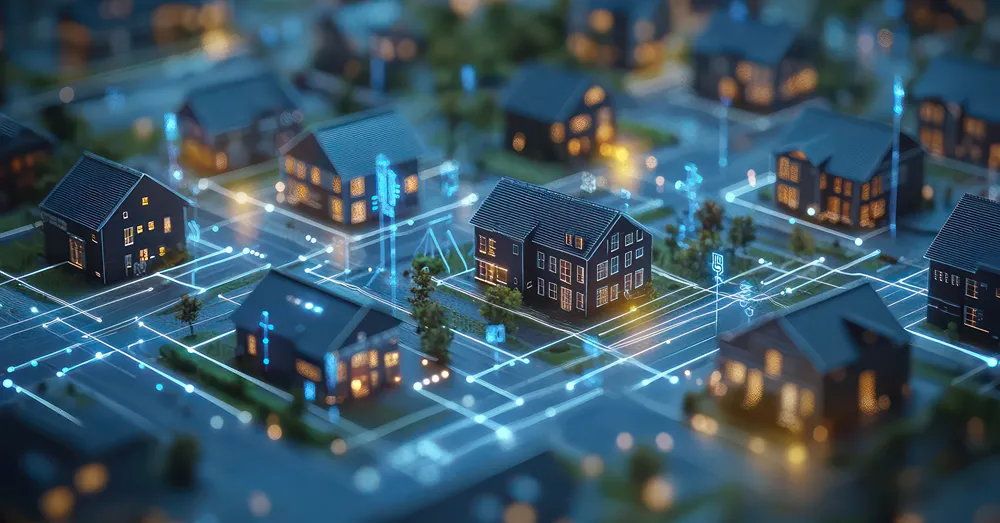
Distributed energy resources including solar panels, battery storage, electric vehicle chargers, and smart appliances create unprecedented complexity in energy management that digital twin technologies are uniquely positioned to address. The digital twins in the energy sector enable coordination of millions of distributed assets into virtual power plants that can provide grid services while optimizing economics for individual asset owners.
Digital twin platform implementations for distributed energy resources create system models that encompass generation, storage, controllable loads, and grid interactions. These models enable sophisticated optimization algorithms to determine optimal dispatch strategies that balance multiple objectives including minimizing electricity costs, maximizing self-consumption of renewable energy, providing grid services, and maintaining equipment within safe operating parameters. The potential of digital twins to coordinate diverse energy resources into coherent system operation represents one of the technology's most powerful applications.
IoT connectivity forms the foundation for distributed energy resource digital twins, providing real-time data on asset status, energy production, storage state-of-charge, and consumption patterns. This visibility enables the digital twin to make intelligent decisions about when to charge batteries, when to export power to the grid, and when to curtail non-essential loads. The integration of digital twin and IoT technologies transforms distributed assets from independent components into coordinated energy systems that deliver system-wide benefits.
Operators leverage digital twins to aggregate many small distributed energy resources into virtual power plants capable of providing significant grid services. Individual home solar and battery systems, when coordinated through digital twin platforms, can collectively provide capacity, frequency regulation, and voltage support services to utilities while delivering economic benefits to participants. This aggregation capability enables much higher penetrations of distributed energy resources than would be possible if each asset operated independently.
Research indicates that digital twins for energy resource aggregation can unlock 30-40% more value from distributed energy assets compared to uncoordinated operation. The use digital twin technology to forecast, optimize, and control distributed assets represents the future energy paradigm where millions of small resources work together seamlessly. Organizations investing in research development initiatives around digital twin platforms for distributed energy resources position themselves at the forefront of this transformation in the energy sector.
What is the Future of Energy Management with Digital Twin and IoT Technologies?
The future energy landscape will be fundamentally shaped by the convergence of digital twin and IoT technologies with artificial intelligence, creating autonomous digital energy systems capable of self-optimization and continuous learning. This digital transformation in energy management will enable levels of efficiency, reliability, and sustainability that are impossible with today's approaches.
Next-generation digital twin platform implementations will incorporate advanced AI capabilities that enable truly autonomous energy management. These systems will continuously test optimization strategies in digital environments, learn from outcomes, and adapt control strategies without human intervention. Autonomous digital twins will handle the increasing complexity of energy systems that include renewable energy, energy storage, electric vehicles, flexible loads, and bidirectional grid interactions, making optimization decisions thousands of times per second across millions of control points.
The systematic review of emerging technologies indicates that quantum computing integration with digital twins may eventually enable optimization of complex energy system interactions that are computationally intractable today. Similarly, edge computing will enable faster response times for time-critical energy management decisions, while 5G networks will provide the ultra-reliable low-latency communications necessary for coordinating distributed energy resources at scale.
The McKinsey Energy Insights report projects that adoption of digital twin technology in the energy sector will accelerate dramatically, with digital twins becoming standard infrastructure rather than competitive differentiators. Digital twins are revolutionizing how organizations approach energy management, enabling proactive rather than reactive strategies and delivering continuous improvement rather than static solutions.
Smart energy ecosystems powered by digital twin and IoT technologies will enable entirely new business models, from transactive energy markets where consumers trade power peer-to-peer to energy-as-a-service offerings where providers guarantee outcomes rather than selling equipment. The full potential of digital twins in transforming energy management will only be realized as these supporting technologies mature and organizations develop the capabilities to implement them effectively.
How Can Organizations Successfully Implement Digital Twin Solutions for Energy Systems?
Successfully implementing digital twin technologies for energy management requires systematic approaches that address technical, organizational, and strategic considerations. The adoption of digital twin platforms must be viewed as transformation initiatives requiring leadership commitment, cross-functional alignment, and sustained investment in both technology and organizational capabilities.
Organizations should begin with pilot projects targeting specific energy system challenges where digital twin technology can deliver clear, measurable value. Common starting points include building energy management in facilities with high energy costs, renewable energy installations requiring better performance monitoring, or industrial processes where energy optimization could reduce production costs significantly. These pilots enable organizations to develop expertise, demonstrate value to stakeholders, and refine implementation strategies before scaling.
The digital twin architecture must be designed for scalability and interoperability from the outset. Organizations should adopt open standards and avoid vendor lock-in that could limit future flexibility. Cloud-based digital twin platform implementations provide the computational scalability necessary for sophisticated modeling and optimization, while edge computing capabilities enable real-time responses for time-critical applications like building automation and smart grid interactions.
Data management infrastructure represents a critical success factor, as digital twins require vast amounts of high-quality data from IoT sensors and operational systems. Organizations must invest in sensor networks, communication infrastructure, and data integration platforms that reliably deliver the data streams digital twins need. This often necessitates upgrading legacy management system implementations, deploying additional IoT sensors, and establishing governance frameworks for data management that ensure data quality, security, and privacy.
Change management cannot be overlooked, as digital twin implementation changes how personnel interact with energy systems and make operational decisions. Staff require training not just on using digital twin platforms but on interpreting insights into energy performance and incorporating data-driven decision-making into workflows. Organizations should establish clear governance frameworks defining how digital twin insights will inform energy management strategies and operational decisions. Those familiar with no bid contracts government contracting process understand that demonstrating successful digital twin implementation can strengthen positioning for future government opportunities in smart energy and sustainable energy initiatives.
What Challenges Must Be Overcome in Digital Twin Adoption for Energy Management?
The adoption of digital twin technology for energy management faces several challenges that organizations must address strategically to realize the full potential of digital twins. Technical, economic, organizational, and regulatory barriers can impede implementation and limit the value achieved from digital twin investments.
Technical challenges include the complexity of modeling complex energy systems with sufficient accuracy while maintaining computational tractability. Energy systems involve physics from multiple domains—electrical, thermal, fluid dynamics, and control systems—that must be integrated into coherent models. The digital twin must balance model fidelity with computational performance to enable real-time operation and optimization, particularly for applications requiring sub-second response times like smart grid frequency regulation or building HVAC control.
Data management challenges arise from the heterogeneity, volume, and velocity of IoT sensor data required for digital twin operation. Energy systems can generate millions of data points per hour from smart meters, equipment sensors, weather stations, and operational systems, often using incompatible protocols and data formats. Integrating digital data from these diverse sources while ensuring quality, security, and privacy requires sophisticated data management platforms and governance frameworks.
Cybersecurity concerns become acute when implementing digital twins for critical energy infrastructure. The bidirectional communication between physical and digital systems creates potential attack vectors where compromising the digital twin could enable attacks on physical energy systems. Organizations must implement defense-in-depth security strategies protecting data flows, computational infrastructure, and control systems from unauthorized access and manipulation.
Economic barriers include substantial upfront investments required for IoT sensor networks, computing infrastructure, digital twin software, and personnel training. While long-term benefits clearly justify these investments through improved energy efficiency, reduced maintenance costs, and enhanced reliability, securing funding and demonstrating ROI can be challenging, particularly for organizations with limited capital budgets or short-term performance pressures.
Organizational and cultural challenges may present the most significant barriers. Successfully use digital twins requires breaking down silos between IT and operational technology, between different engineering disciplines, and between organizational functions. Digital transformation necessitates new skills, new ways of working, and willingness to embrace data-driven decision-making that may challenge existing practices and hierarchies within the energy sector.
How Do Digital Twins Create Value Through Energy Performance Analytics?
Digital twins create substantial value through sophisticated analysis of energy performance that identifies optimization opportunities, predicts equipment failures, and enables continuous improvement in energy efficiency. The analytics provided by digital twins transform raw operational data into actionable intelligence that drives measurable improvements in energy performance and operational excellence.
Digital twins enable detailed benchmarking and comparative analytics that reveal performance variations across similar equipment, facilities, or operating conditions. Organizations can identify best-performing assets and understand what operational practices or conditions drive superior energy performance, then replicate those practices across their portfolios. This peer comparison analytics delivered through digital twin platforms accelerates the identification of optimization opportunities that might take years to discover through conventional energy auditing approaches.
Predictive analytics represent another powerful value creation mechanism for digital twins. By continuously analyzing equipment performance data, the digital twin identifies subtle degradation patterns that indicate developing problems before they result in failures or significant energy waste. This predictive capability enables maintenance teams to intervene precisely when needed, avoiding both premature maintenance that wastes resources and reactive maintenance that's expensive and disruptive.
Digital twins can simulate the impact of different improvement scenarios, enabling organizations to understand how various investments in equipment upgrades, control strategy changes, or renewable energy additions would affect overall energy performance and economics. This simulation capability supports better capital planning by quantifying expected returns before making commitments, reducing investment risk and ensuring resources are deployed to highest-value opportunities.
Research demonstrates that organizations leveraging digital twin analytics achieve 25-35% better energy performance improvement rates compared to traditional energy management approaches. The twins in the energy sector enable continuous learning and adaptation, with energy optimization strategies improving over time as models become more sophisticated and discover new optimization opportunities. This continuous improvement characteristic makes digital twins fundamentally different from static energy efficiency measures whose benefits often degrade over time.
Key Takeaways: Digital Transformation Through Digital Twins in Energy Management
- Digital twin in energy management creates sophisticated virtual replicas that enable real-time monitoring, predictive analytics, and autonomous optimization impossible with traditional energy management systems
- Organizations implementing digital twin technologies achieve energy consumption reductions of 15-30% through predictive maintenance, IoT-enabled monitoring, and data-driven optimization across energy systems
- Building energy applications of digital twins deliver 20-35% improvements in energy efficiency while simultaneously improving occupant comfort and reducing maintenance costs through predictive strategies
- The integration of digital twin and IoT technologies enables automatic optimization that continuously adapts to changing conditions, delivering compounding benefits as models learn from operational data
- Digital twins for energy resource management enable sophisticated coordination of distributed energy resources, renewable energy systems, and energy storage to maximize economics while supporting grid stability
- Smart building implementations leveraging digital twins create holistic optimization platforms that coordinate HVAC, lighting, and plug loads while considering occupant comfort and energy pricing signals
- Successful adoption of digital twin technology requires addressing challenges in data management, cybersecurity, computational scalability, and organizational change management
- Digital twins enable organizations to test improvement scenarios virtually, understanding how equipment upgrades, control changes, or renewable energy additions would affect energy performance before making investments
- The future energy landscape will be shaped by autonomous digital systems combining digital twins, IoT, and artificial intelligence to enable self-optimizing energy management at unprecedented scale
- Digital twins play essential roles in achieving sustainable energy management goals by providing precise tracking of energy consumption, enabling renewable energy integration, and facilitating continuous energy efficiency improvements

%402x.svg)
%402x.svg)

