



.svg.png)


The convergence of smart energy systems and digital twinning represents a transformative paradigm shift in how we design, operate, and optimize modern energy infrastructure. As the energy sector faces unprecedented challenges—from integrating renewable energy sources into power systems to managing distributed energy resources across smart cities—digital twin technology emerges as the critical enabler of next-generation energy management. This comprehensive review on digital twins explores how digital twins for smart energy applications are revolutionizing everything from building energy management to power grid management, creating cyber-physical systems that bridge the gap between physical assets and digital intelligence. Whether you're implementing a microgrid digital twin, developing smart energy management strategies, or seeking to understand the integration of an energy management tool and digital twin frameworks, this guide provides the technical depth and practical insights necessary for success in the rapidly evolving landscape of smart energy systems.
What is Digital Twinning and How Does It Transform Smart Energy Systems?
Digital twinning represents the creation of virtual replicas of physical systems that enable real-time monitoring, simulation, and optimization of energy systems across multiple scales and applications. In the context of smart energy systems, the digital twin concept extends beyond simple monitoring to create dynamic, bidirectional connections between physical energy infrastructure and sophisticated digital models that evolve continuously based on operational data.
The digital twin framework for energy systems encompasses multiple layers of abstraction, from individual components like battery systems and solar panels to entire multi-energy systems that coordinate electricity, heating, cooling, and transportation networks. This cyber-physical system architecture enables unprecedented visibility into energy consumption, production, and distribution patterns while providing the computational infrastructure necessary for advanced optimization algorithms and predictive analytics.
According to research from the International Energy Agency, digital twinning technologies can improve energy efficiency by 20-30% in complex energy systems by enabling predictive maintenance, real-time optimization, and scenario analysis that would be impossible with traditional energy management system approaches. The digital twin approach creates feedback loops where operational data continuously refines model accuracy, while model predictions guide operational decisions to optimize performance across the energy system.
The implementation of digital twin technology in smart energy systems requires sophisticated data management capabilities to handle vast streams of sensor data, weather information, market signals, and operational parameters. This big data management challenge represents both an opportunity and a barrier to adoption of digital twin frameworks, particularly in legacy power systems where retrofitting existing infrastructure with adequate sensing and communication capabilities may require substantial investment.
How Are Digital Twins for Smart Energy Management Applied Across Different Energy Systems?
The applications of digital twins in smart energy management span the entire energy value chain, from individual building systems to city-scale energy infrastructure. Digital twins for smart energy applications enable organizations to model complex systems, predict future states, and optimize performance in ways that traditional management approaches cannot achieve.
In building energy management, digital twin models create comprehensive representations of HVAC systems, lighting, envelope performance, and occupant behavior. These models enable facility managers to optimize energy consumption while maintaining comfort and productivity. The digital twin paradigm allows testing of different control strategies virtually before implementing them in actual building systems, reducing risk and accelerating the identification of energy-saving opportunities. Research demonstrates that smart home energy management using digital twin technologies can reduce residential energy consumption by 15-25%.
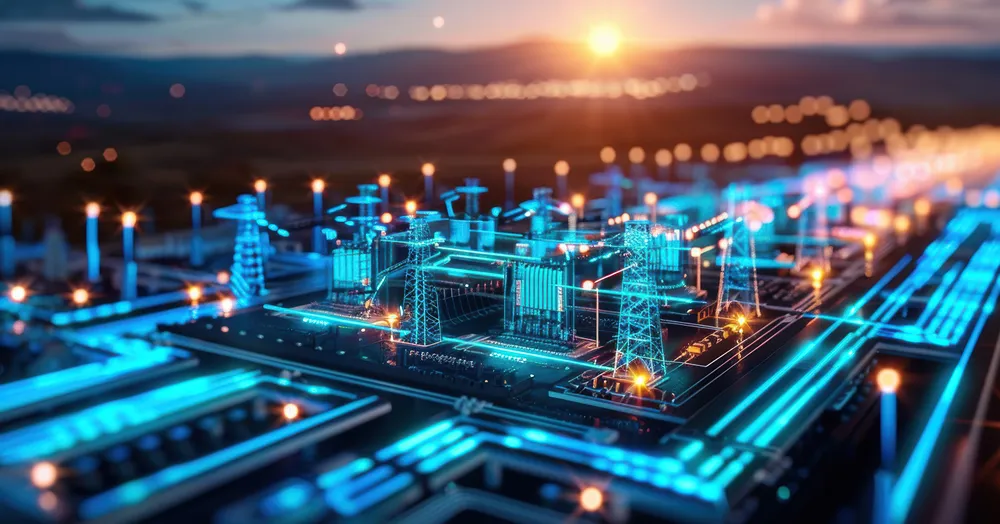
For smart grid applications, digital twinning enables utilities to model transmission and distribution networks with unprecedented fidelity. The microgrid digital twin represents a particularly powerful application, where localized energy systems with distributed energy resources, renewable energy generation, and energy storage systems require sophisticated coordination. The digital twin for coordination of these diverse energy resources ensures optimal dispatch while maintaining grid stability and reliability.
The National Renewable Energy Laboratory reports that power grid management enhanced with digital twin technology can reduce outages by 20-30% while improving integration of variable renewable energy sources. Applications of digital twins in smart cities extend to coordinating multiple energy systems, from electric vehicle charging infrastructure to district heating networks, creating holistic urban energy management platforms. Organizations focused on federal B2G strategy understand that demonstrating advanced digital twin capabilities can provide significant advantages in competing for government smart city projects.
What Role Does Digital Twinning Play in Renewable Energy Integration?
Renewable energy integration presents one of the most complex challenges in modern power systems, and digital twinning provides critical solutions for managing the variability and uncertainty inherent in renewable energy sources. The intermittent nature of solar and wind energy production requires sophisticated forecasting and management capabilities that digital twin architectures deliver exceptionally well.
Digital twin models of renewable energy system installations predict energy production based on weather forecasts, historical performance data, equipment degradation patterns, and real-time operational conditions. This predictive capability enables grid operators to anticipate generation fluctuations and coordinate energy storage, conventional generation, and demand response resources more effectively. The digital twin concept enables scenario planning where operators can test different integration strategies virtually before implementing them in physical systems.
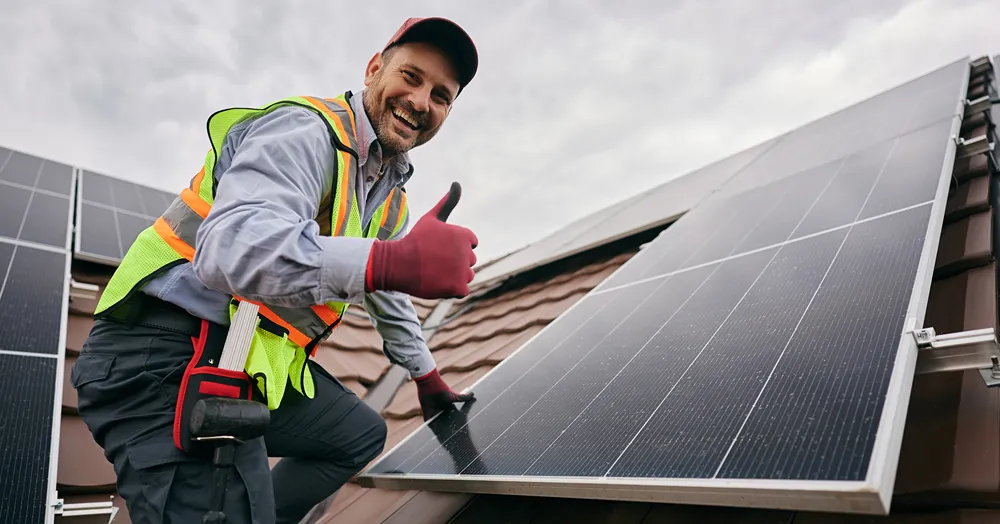
The digital twinning of pv modules for smart systems represents an important technical advancement, where individual solar panel performance is modeled with high fidelity to detect degradation, predict failures, and optimize array configurations. Similarly, hybrid turbo-shaft engine digital twinning for autonomous wind turbine pitch control demonstrates how digital twin technology enables more sophisticated control strategies that maximize energy capture while minimizing mechanical stress and maintenance requirements.
According to IEEE research, implementing digital twins for renewable energy integration can improve forecast accuracy by 25-35%, directly translating to reduced curtailment and better utilization of clean energy sources. The digital twin framework and its application to coordinating multiple renewable energy sources with storage systems and conventional generation enables power systems to handle higher penetrations of variable renewables while maintaining reliability and energy security.
How Do Smart Cities Leverage Digital Twinning for Energy Management?
Smart cities represent the ultimate expression of integrated energy system planning, where digital twinning enables coordination across transportation, building, industrial, and utility systems to optimize overall urban energy performance. The city digital twin creates a comprehensive virtual representation of urban energy infrastructure, consumption patterns, and operational characteristics.
The smart city digital twin integrates data from smart meters, building automation systems, traffic sensors, weather stations, and utility networks to create holistic views of urban energy flows. This integration enables city planners and utility operators to identify optimization opportunities that span traditional sector boundaries, such as coordinating electric vehicle charging with renewable energy availability or optimizing district heating systems based on building occupancy predictions.
Applications in smart city energy management include optimizing street lighting based on pedestrian traffic, coordinating public transportation to minimize energy consumption, and managing distributed energy storage assets to support grid stability. The city digital twin enables testing of different urban development scenarios to understand their energy implications before making irreversible infrastructure investments.
Research from Gartner indicates that smart cities implementing digital twin platforms for energy management achieve 18-25% improvements in overall urban energy efficiency while supporting more ambitious renewable energy targets. The development of smart city digital twin platforms requires addressing significant challenges in data management, interoperability, cybersecurity, and stakeholder coordination across traditionally siloed municipal departments and utility organizations. Organizations experienced in cyber security govcon recognize that protecting these integrated urban digital twin platforms from cyber threats is essential to maintaining critical infrastructure security.
What are the Technical Foundations of Digital Twin Frameworks for Energy Systems?
The digital twin framework for energy systems rests on several technical pillars that enable the creation and operation of sophisticated virtual replicas. Understanding these foundational elements is essential for successfully implementing digital twins in complex energy systems and power systems applications.
The digital twin architecture typically comprises five layers: the physical system layer containing actual energy assets and sensors; the connectivity layer handling data management and communication; the digital model layer containing mathematical representations and simulations; the analytics layer performing optimization and prediction; and the application layer presenting insights to users. This architecture for industrial energy systems must handle heterogeneous data from diverse sources while maintaining synchronization between physical and digital representations.
Machine learning for digital twins represents a critical enabling technology, where algorithms continuously learn from operational data to improve model accuracy and discover optimization strategies that human operators might never identify. These system using artificial intelligence can adapt to changing conditions, predict equipment failures, and recommend control actions that optimize multiple objectives simultaneously across multi-energy systems.
The cyber-physical energy systems enabled by digital twinning require robust cybersecurity measures to protect against attacks that could compromise both the digital twin and the physical system it represents. The bidirectional communication necessary for effective digital twin operation creates potential vulnerabilities that must be addressed through defense-in-depth strategies, encryption, authentication, and continuous monitoring for anomalous behavior.
According to research published in the Journal of Energy Storage, successful implementation of digital twin frameworks requires addressing challenges in model validation, computational scalability, and real-time performance. The digital twin-based approach must balance model fidelity with computational efficiency, particularly for large-scale power systems where millions of components must be represented and analyzed in near real-time.
How Does Digital Twinning Enable Predictive Maintenance in Energy Infrastructure?
Digital twinning fundamentally transforms maintenance strategies for energy infrastructure by enabling the shift from reactive or time-based approaches to truly predictive maintenance. The digital twin continuously monitors equipment condition, compares actual performance against expected behavior, and predicts when failures are likely to occur based on degradation patterns and operational stress.
For power systems equipment like transformers, circuit breakers, and transmission lines, digital twin models incorporate physics-based models of degradation mechanisms combined with machine learning algorithms that learn from historical failure data. This hybrid approach enables more accurate predictions than either pure physics-based or pure data-driven methods alone. The digital twin can predict remaining useful life for critical assets, enabling operators to schedule maintenance during planned outages rather than responding to emergency failures.
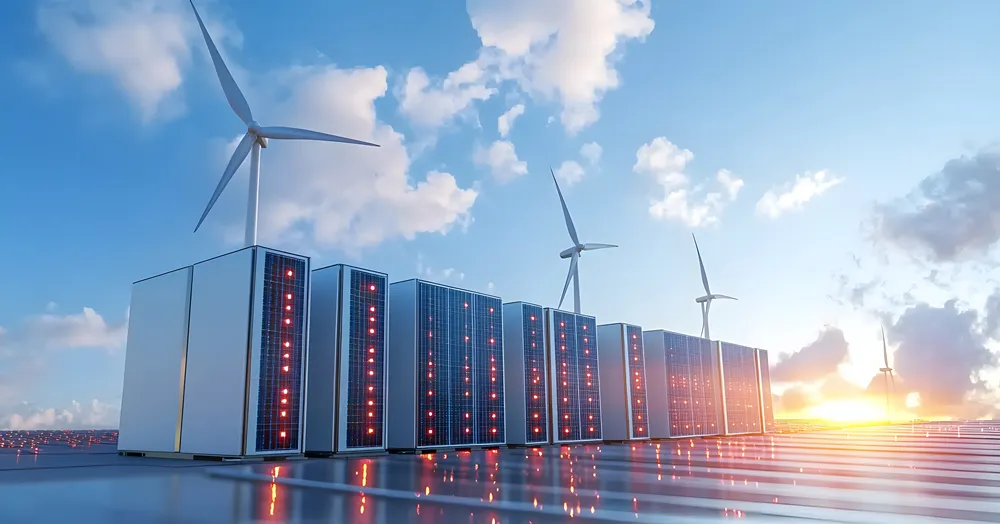
In renewable energy installations, digital twinning enables sophisticated monitoring of battery systems, solar inverters, and wind turbine components. The digital twin tracks performance degradation over time, identifies underperforming assets within larger arrays, and recommends optimal replacement schedules that balance performance, cost, and risk. For energy storage systems, using digital twin technology to predict battery systems degradation and optimize charging strategies can extend asset life by 20-30% while maintaining performance.
The digital twins to predict responsiveness of energy systems to maintenance interventions enables more sophisticated asset management strategies. Organizations can simulate the impact of different maintenance strategies virtually, understanding how deferring maintenance on one asset might affect overall system reliability or how investing in upgrades would improve performance. This capability supports better capital planning and risk management across energy infrastructure portfolios. Organizations with experience in time tracking for large government contracts understand that the rigorous documentation and performance tracking required for government work translates directly to the disciplined approaches necessary for successful digital twin maintenance programs.
What is the Future of Power Systems with Digital Twin Technology?
The future power systems will be fundamentally shaped by digital twinning, as energy systems digitalisation represents the energy sector's response to increasing complexity, decarbonization imperatives, and the need for greater resilience. Digital twins represent the enabling technology that makes next-generation power systems possible, from autonomous grid operation to seamless integration of millions of distributed energy resources.
Next-generation digital twin platforms will incorporate artificial intelligence capabilities that enable autonomous operation of complex energy systems. These AI-enhanced systems will continuously optimize energy flows, predict and prevent failures, and adapt to changing conditions without human intervention. The digital twin paradigm for future power systems envisions grids that are self-healing, self-optimizing, and capable of handling unprecedented levels of complexity and uncertainty.
The convergence of digital twinning with other emerging technologies like blockchain, edge computing, and quantum computing will unlock new capabilities. Blockchain integration with digital twins could enable peer-to-peer energy trading and transparent tracking of renewable and sustainable energy attributes. Edge computing will enable faster response times for time-critical grid management decisions, while quantum computing may eventually enable optimization of complex system interactions that are computationally intractable today.
The international energy community increasingly recognizes digital twin technology as essential infrastructure for achieving climate goals while maintaining energy security and affordability. The McKinsey Energy Insights report projects that digital twin adoption in the energy sector will accelerate dramatically over the next decade, driven by declining technology costs, improving AI capabilities, and mounting pressure to optimize energy system performance. Organizations investing in research development initiatives around digital twinning position themselves at the forefront of this transformation.

How Can Organizations Successfully Implement Digital Twin Solutions for Energy Systems?
Successfully implementing digital twins for energy systems requires systematic approaches that address technical, organizational, and strategic considerations. The implementation of digital twin platforms must be viewed as organizational transformation initiatives rather than purely technical projects, requiring commitment from leadership, alignment across departments, and sustained investment in both technology and capabilities.
Organizations should begin with pilot projects that target specific energy system challenges where digital twin technology can deliver clear, measurable value. Common starting points include critical building systems where energy costs are high, renewable energy installations requiring better performance monitoring, or aging energy infrastructure where predictive maintenance could prevent costly failures. These pilots enable organizations to develop expertise, demonstrate value, and refine implementation strategies before scaling to more complex systems.
The digital twin architecture must be designed for scalability and interoperability from the outset. Organizations should adopt open standards and avoid vendor lock-in that could limit future flexibility. The system using cloud infrastructure can provide the computational scalability necessary for sophisticated digital twin models, while edge computing capabilities enable real-time responses for time-critical applications like grid management and building automation.
Data management infrastructure represents a critical success factor, as digital twin platforms require vast amounts of high-quality data from diverse sources. Organizations must invest in sensor networks, communication infrastructure, and data integration platforms that can reliably deliver the data streams digital twins require. This often necessitates upgrading legacy systems, implementing new monitoring capabilities, and establishing governance frameworks for data management that ensure data quality, security, and availability.
Change management cannot be overlooked, as digital twinning changes how personnel interact with energy systems and make operational decisions. Staff require training not just on using digital twin platforms but on interpreting insights and incorporating data-driven decision-making into workflows. Organizations should establish clear governance frameworks defining how digital twin insights will inform energy management strategies and operational decisions. Those familiar with no bid contracts government contracting process understand that demonstrating successful digital twin implementation can strengthen positioning for future government opportunities in smart energy and smart cities initiatives.
What Challenges Must Be Overcome in Digital Twin Adoption for Energy Systems?
The adoption of digital twin technology for energy systems faces several significant challenges that organizations must address strategically. Technical, economic, organizational, and regulatory barriers can impede implementation and limit the value realized from digital twin investments.
Technical challenges include the complexity of modeling complex energy systems with sufficient accuracy while maintaining computational tractability. Multi-energy systems that coordinate electricity, heat, cooling, and transportation present particularly difficult modeling challenges due to the interactions between different energy carriers and the need to represent both fast dynamics (like electrical transients) and slow dynamics (like thermal storage). The digital twin framework must balance model fidelity with computational performance to enable real-time operation.
Data management challenges arise from the heterogeneity, volume, and velocity of data required for digital twin operation. Energy systems generate massive data streams from smart meters, sensor networks, and operational systems, often using incompatible protocols and formats. Integrating these data sources while ensuring quality, security, and privacy requires sophisticated data management platforms and governance frameworks. Legacy systems may lack adequate sensing and communication capabilities, requiring expensive retrofits to generate the data digital twins need.
Cybersecurity concerns become acute when implementing digital twins for critical energy infrastructure. The cyber-physical system architecture creates potential attack vectors where compromising the digital twin could enable attacks on physical systems. Organizations must implement defense-in-depth security strategies that protect data flows, computational infrastructure, and control systems from unauthorized access and manipulation.
Economic barriers include the substantial upfront investments required for digital twin implementation, from sensor networks and computing infrastructure to software licenses and personnel training. While long-term benefits clearly justify these investments through improved energy efficiency, reduced maintenance costs, and enhanced reliability, securing funding and demonstrating ROI can be challenging, particularly for public sector organizations or utilities operating under cost-recovery regulation.
Organizational and cultural challenges may present the most significant barriers in many cases. Digital twinning requires breaking down traditional silos between IT and operational technology, between different energy disciplines, and between organizations in the energy value chain. Successfully implementing digital twins requires new skills, new ways of working, and willingness to embrace data-driven decision-making that may challenge existing practices and hierarchies.
How Do Microgrid Digital Twins Enable Distributed Energy Resource Management?
The microgrid digital twin represents one of the most sophisticated applications of digital twinning in smart energy systems, where multiple distributed energy resources must be coordinated to provide reliable, economical energy while potentially operating both grid-connected and islanded. The microgrid digital twin creates comprehensive virtual representations of generation, storage, loads, and control systems that enable optimization across multiple objectives.
Microgrid digital twin platforms model diverse energy sources including solar, wind, diesel generators, fuel cells, and battery systems, along with controllable loads and energy storage systems. The digital twin must capture the technical characteristics and constraints of each resource, from solar panel performance curves to battery systems state-of-charge limits to generator minimum run times. This comprehensive modeling enables sophisticated optimization algorithms to determine optimal dispatch strategies that minimize costs, maximize renewable energy utilization, and maintain power quality.
The digital twin for coordination of distributed energy resources enables predictive control strategies that anticipate future conditions and make proactive decisions. For example, the microgrid digital twin might charge battery systems in anticipation of high afternoon energy demand or scheduled utility rate peaks, even though current conditions don't require it. This forward-looking capability delivers superior performance compared to reactive control strategies.
Using digital twin technology for microgrid management also enables sophisticated contingency planning and resilience enhancement. The digital twin can simulate system response to various failure scenarios, identifying vulnerabilities and testing backup strategies. During actual emergencies, the digital twin enables faster, more effective responses by providing operators with predictions of how different actions would affect system stability and performance.
Research demonstrates that microgrids using digital twin technology achieve 20-30% better economic performance and significantly improved reliability compared to traditional control approaches. The integration of digital twins with microgrid control systems represents a powerful example of cyber-physical energy systems that bridge the gap between advanced analytics and real-time operation, delivering measurable benefits in cost, reliability, and sustainability.
What Makes Digital Twinning Essential for Sustainable Energy Management?
Digital twinning has become essential for sustainable energy management as organizations face mounting pressure to reduce emissions, improve energy efficiency, and integrate renewable energy sources while maintaining reliability and affordability. The digital twin technology provides the visibility, predictive capability, and optimization tools necessary to navigate these competing objectives successfully.
Digital twins enable precise tracking of energy consumption and emissions across energy systems, identifying specific sources of waste and opportunities for improvement. Organizations can quantify the impact of different operational decisions on sustainability metrics, enabling data-driven strategies that balance environmental goals with operational and economic requirements. This granular visibility proves essential for meeting regulatory requirements, reporting to stakeholders, and achieving corporate sustainability commitments.
The integration of an energy management tool and digital twin technology creates powerful platforms for sustainable energy optimization. The management tool and digital twin combination enables automated optimization of energy systems to minimize emissions while maintaining performance. Smart energy management algorithms can automatically adjust building systems, industrial processes, and grid operations based on renewable energy availability, carbon intensity of electricity, and operational requirements.
Digital twins for smart energy systems enable organizations to plan and execute the transition to renewable and sustainable energy sources more effectively. The digital twin can simulate the impact of adding renewable energy generation, energy storage, or efficiency improvements before making expensive capital commitments. This capability reduces risk and ensures investments deliver expected returns in both economic and environmental performance.
The digital twin paradigm supports circular economy principles in energy system management by enabling sophisticated asset lifecycle planning. Organizations can use digital twins to optimize maintenance strategies that extend equipment life, plan for end-of-life recycling or refurbishment, and make data-driven decisions about when to replace versus repair assets. These capabilities support both sustainability goals and economic performance, demonstrating that environmental responsibility and business success are complementary objectives in the energy sector.
Key Takeaways: Digital Twinning Transformation in Smart Energy Systems
- Digital twinning creates sophisticated virtual replicas of energy systems that enable real-time monitoring, predictive analytics, and optimization impossible with traditional energy management system approaches
- Smart energy systems enhanced with digital twin technology achieve 20-30% improvements in energy efficiency through predictive maintenance, real-time optimization, and data-driven decision-making
- Applications of digital twins span from individual building systems to smart cities, enabling coordination of distributed energy resources, renewable energy integration, and power grid management
- The comprehensive review on digital twins demonstrates that organizations implementing digital twins for smart energy management achieve measurable improvements in reliability, efficiency, and sustainability
- Microgrid digital twin platforms enable sophisticated coordination of diverse energy resources, achieving 20-30% better economic performance than traditional control approaches
- Smart cities leveraging city digital twin platforms for energy management achieve 18-25% improvements in urban energy efficiency while supporting more ambitious renewable energy targets
- Successful implementation of digital twin solutions requires addressing challenges in data management, cybersecurity, model validation, and organizational change management
- The digital twin framework must balance model fidelity with computational performance, integrating physics-based models with machine learning to optimize complex energy systems
- Future power systems will be fundamentally shaped by digital twinning, enabling autonomous operation, seamless renewable energy integration, and unprecedented resilience
- Digital twins for smart energy represent essential infrastructure for achieving climate goals while maintaining energy security, affordability, and reliability in increasingly complex system environments

%402x.svg)
%402x.svg)

