


.svg.png)


The digital twin in supply chain operations represents a revolutionary leap in how businesses manage, optimize, and future-proof their supply chain networks. As complex supply ecosystems face mounting pressures from global disruptions, sustainability demands, and customer expectations, supply chain digital twin technology emerges as a game-changing solution. This article explores how digital twins in supply chain management are transforming logistics operations, enabling end-to-end supply chain visibility, and driving unprecedented supply chain resilience. Whether you're a supply chain professional seeking to improve supply chain efficiency or a business leader evaluating the future of supply chain management, this comprehensive guide will demonstrate why digital twin technologies are essential for modern supply chain design and optimization.
What Is a Digital Twin in Supply Chain Management?
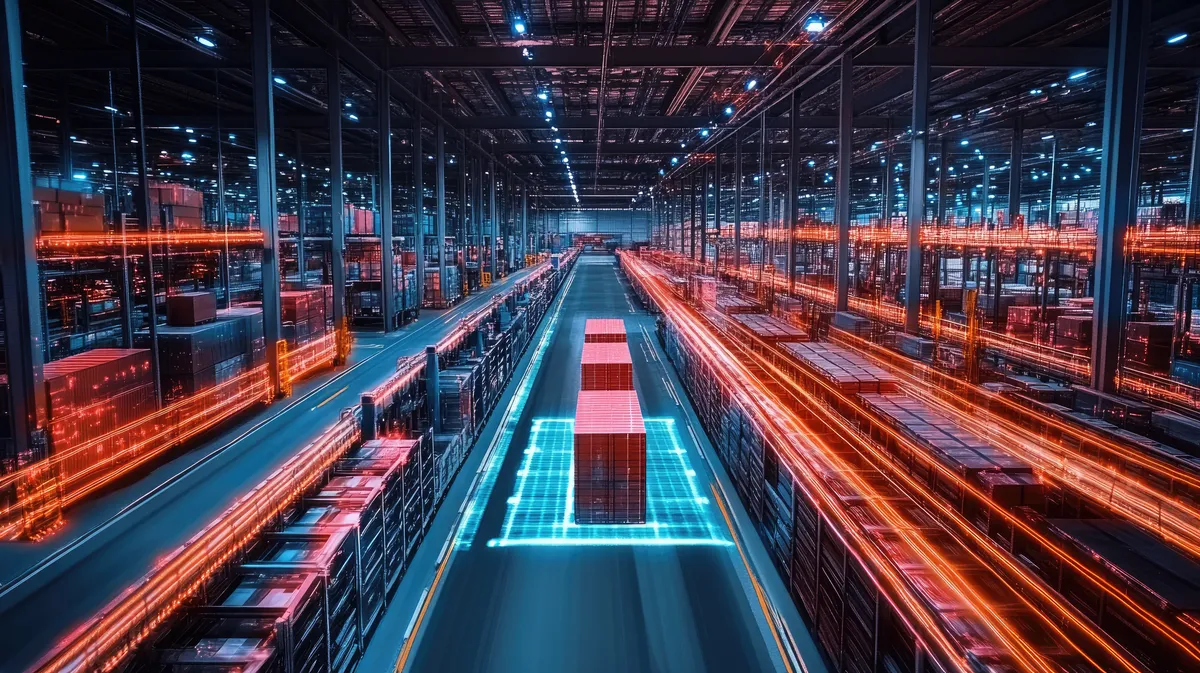
A digital twin is a virtual replica of physical assets, processes, and systems that mirrors real-world supply chain operations in a digital environment. The supply chain twin creates a dynamic, data-driven digital model that continuously updates based on real-time information from sensors, IoT devices, and enterprise systems across the entire supply chain.
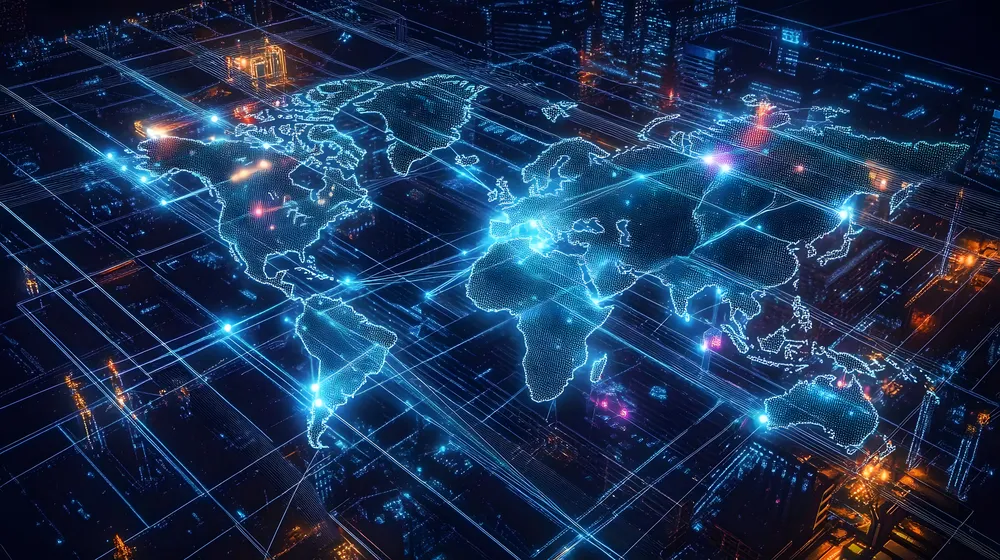
Digital twin technologies leverage advanced analytics, artificial intelligence, and simulation capabilities to create an accurate representation of the physical supply chain. This integrated digital ecosystem connects warehouses, transportation networks, manufacturing facilities, and distribution centers into a unified virtual environment. The digital twin provides organizations with unprecedented visibility into their supply chain operations, enabling them to test scenarios, predict outcomes, and optimize decisions before implementing changes in the real world.
The supply chain digital twin differs from traditional management systems by offering predictive and prescriptive capabilities rather than just descriptive insights. While conventional software tracks historical data, the digital twin enables forward-looking analysis that anticipates disruptions, simulates alternative strategies, and recommends optimal actions. This digital transformation empowers supply chain leaders to move from reactive problem-solving to proactive optimization.
How Do Digital Twins Work in Supply Chain Operations?
Digital twins integrate multiple data sources to create a comprehensive view of supply chain activities. The technology collects information from IoT sensors monitoring inventory levels, GPS tracking transportation vehicles, production systems reporting manufacturing output, and ERP platforms managing orders and demand forecasts. This continuous data stream feeds into the digital twin system, which processes information using machine learning algorithms and analytics engines.
The supply chain model within a digital twin operates through three core components: the physical layer representing actual assets and processes, the digital layer containing the virtual replica, and the connection layer enabling bidirectional data flow. Sensors and connected devices transmit real-time status updates from the physical and digital environments, while the digital twin sends optimization recommendations and control signals back to physical systems.
Digital twins could simulate thousands of scenarios simultaneously, testing how different variables impact supply chain performance. For instance, organizations can model how weather disruptions affect transportation routes, how demand spikes influence inventory management, or how supplier delays cascade through production schedules. The digital twin allows planners to evaluate multiple strategies and select the approach that delivers optimal results across cost, service level, and risk dimensions.
What Are the Benefits of Digital Twins in Supply Chain Management?
The benefits of digital twins extend across every aspect of supply chain management, delivering measurable improvements in efficiency, cost, and customer satisfaction. Organizations implementing digital twin technology report significant reductions in operational expenses through optimized inventory levels, improved transportation routing, and more efficient warehouse operations. The digital twin helps companies reduce excess stock while maintaining service levels, a critical balance in modern logistics.
Enhanced visibility represents another crucial advantage. Digital twin technologies provide end-to-end supply chain transparency, enabling stakeholders to track products from raw material sourcing through final delivery. This visibility supports better supply chain planning, faster issue resolution, and improved collaboration with suppliers and partners. The supply chain visibility enabled by digital twins reduces uncertainty and empowers more confident decision-making.
Predictive capabilities set digital twins apart from traditional management tools. By analyzing historical patterns and real-time conditions, the digital twin anticipates potential supply chain disruption events before they occur. This foresight allows companies to implement preventive measures, develop contingency plans, and maintain supply chain resilience even during challenging conditions. Organizations using digital twin supply chain solutions experience fewer unexpected disruptions and recover more quickly when issues arise.
How Can Digital Twins Improve Supply Chain Resilience?
Supply chain resilience has become a top priority as businesses face increasing volatility from geopolitical tensions, climate change, and market fluctuations. The potential of digital twins to strengthen resilience lies in their ability to model risk scenarios and test response strategies in a risk-free virtual environment. Companies can simulate disruptions in the supply network and evaluate how different mitigation approaches perform under various conditions.
The digital twin enables organizations to identify vulnerabilities within their supply chains that might not be apparent through traditional analysis. By mapping dependencies between suppliers, transportation routes, and production facilities, the digital supply chain twin reveals single points of failure and concentration risks. This intelligence supports strategic decisions about supplier diversification, backup capacity, and alternative routing options.
When disruptions occur, the digital twin provides rapid scenario analysis to support crisis response. Rather than relying on intuition or limited historical data, decision-makers can immediately test potential responses and understand their likely outcomes. The supply chain transformation facilitated by digital twins shifts organizations from reactive firefighting to proactive risk management, creating a resilient supply chain capable of adapting to changing conditions. Learn more about building resilient operations through workforce development strategies.
What Role Does AI and Digital Twins Play in Supply Chain Optimization?
AI and digital twins form a powerful combination that drives advanced supply chain optimization. Artificial intelligence algorithms analyze the vast datasets generated by supply chain sensors and systems, identifying patterns, anomalies, and optimization opportunities that human analysts might miss. Machine learning models continuously improve their predictions as they process more supply chain data, enhancing the accuracy and value of digital twin insights.
Digital twins to optimize operations leverage AI for demand forecasting, predictive maintenance, and dynamic routing. These capabilities enable organizations to anticipate customer needs, prevent equipment failures, and adjust transportation plans in response to real-time conditions. The use of digital intelligence transforms static plans into adaptive strategies that respond to changing circumstances throughout the supply chain.
Natural language processing and computer vision technologies enhance digital twin capabilities by processing unstructured data sources. AI can analyze supplier communications, weather reports, news articles, and satellite imagery to identify potential risks and opportunities. This comprehensive intelligence feeds into the digital model, providing a holistic view that supports superior optimization decisions. Explore how artificial intelligence adoption can transform your operations.
How to Implement Digital Twin Technology in Your Supply Chain?
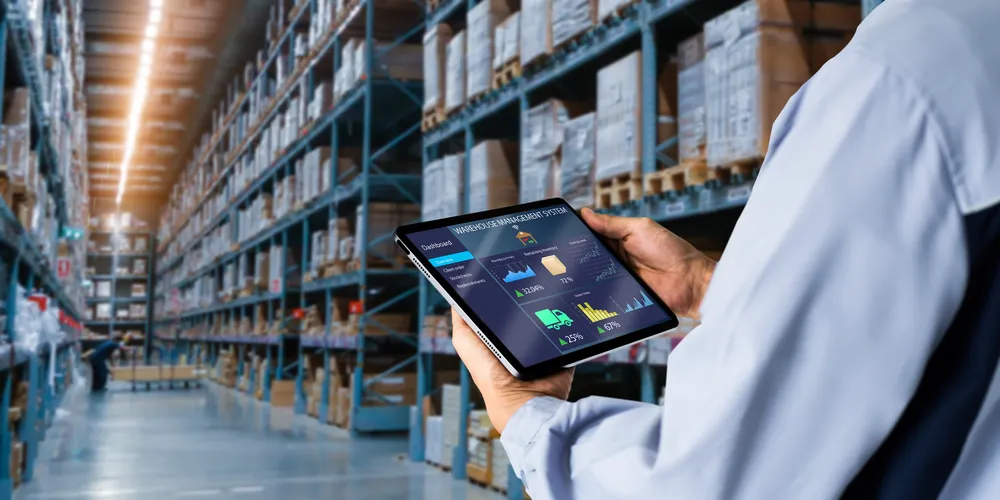
Implementing digital twin technology requires a structured approach that balances ambition with practical constraints. Organizations should begin by defining specific use cases where digital twins can deliver measurable value, such as warehouse optimization, transportation planning, or inventory management. Starting with focused applications allows teams to demonstrate results, build expertise, and refine their approach before expanding to broader supply chain domains.
Data infrastructure forms the foundation for successful digital twin deployment. Companies must implement digital sensors, connectivity solutions, and data integration platforms that capture information from across the supply chain. This infrastructure should connect legacy systems with modern IoT devices, creating a unified data environment. The quality and completeness of data directly impact the accuracy and utility of the digital twin, making data governance a critical success factor.
Change management and skill development are essential for realizing the potential of digital twin investments. Teams need training to interpret digital twin insights, operate simulation tools, and translate analytical findings into operational improvements. Organizations should also establish governance processes defining how digital twin recommendations inform decisions and who has authority to act on them. The future of supply chain management depends on developing capabilities that combine technical expertise with domain knowledge. Enhance your team's capabilities through workflow process automation initiatives.
What Industries Benefit Most from Digital Twins in Supply Chain?
Modern supply chains across virtually every industry can benefit from digital twin technology, though certain sectors realize particularly significant advantages. Manufacturing organizations use supply chain digital twins to coordinate complex production networks involving multiple facilities, suppliers, and distribution channels. The ability to simulate production scenarios and optimize material flows delivers substantial cost savings and quality improvements.
Retail and e-commerce companies leverage digital twins to manage vast product catalogs, dynamic demand patterns, and omnichannel fulfillment requirements. The digital twin allows retailers to optimize inventory placement across warehouses and stores, balance stock levels with demand forecasts, and coordinate last-mile delivery operations. These capabilities directly impact customer satisfaction and profitability in competitive markets.
Logistics and transportation providers employ digital twin solutions to optimize route planning, fleet management, and cargo consolidation. The ability to simulate different routing scenarios considering weather, traffic, and capacity constraints enables carriers to reduce costs while improving service reliability. Pharmaceutical companies, aerospace manufacturers, and automotive firms also rely heavily on supply chain digital twin technology to manage complex regulatory requirements and quality standards. Discover industry-specific solutions for logistics transportation.
How Do Digital Twins Enable Better Supply Chain Design?
Supply chain design decisions have long-term implications for cost structure, service capabilities, and competitive positioning. Digital twins could revolutionize this critical process by enabling organizations to test alternative network configurations before committing capital to physical infrastructure. Companies can simulate different scenarios for facility locations, capacity levels, and distribution strategies to identify optimal designs.
The digital twin facilitates comprehensive analysis of trade-offs between competing objectives. Organizations can evaluate how different design choices impact total landed costs, delivery times, carbon emissions, and risk exposure. This multi-objective optimization supports decisions that balance financial performance with sustainability goals and operational resilience, aligning supply chain strategy with broader business objectives.
Scenario planning becomes dramatically more sophisticated with digital twin capabilities. Rather than limiting analysis to a few predefined alternatives, organizations can explore thousands of permutations automatically. The digital model identifies optimal solutions that human planners might never consider, discovering creative approaches that deliver superior performance. This comprehensive supply chain design methodology positions companies for success in evolving market conditions.
What Is the Future of Digital Twins in Supply Chain Management?
The future of supply chain innovation centers on increasingly sophisticated digital twin applications powered by emerging technologies. Advanced digital twins integrate augmented reality interfaces, enabling warehouse workers and field technicians to visualize optimization recommendations and receive real-time guidance through wearable devices. This human-machine collaboration combines analytical power with human judgment and contextual understanding.
Autonomous decision-making represents another frontier where digital twins will expand their role. As confidence in AI algorithms grows and digital twin accuracy improves, organizations will delegate routine optimization decisions to automated systems. The digital twin could automatically reorder inventory, reroute shipments, or adjust production schedules within defined parameters, freeing human managers to focus on strategic issues and exception handling.
The digital twin market will continue expanding as technology costs decline and capabilities advance. Cloud-based platforms are democratizing access to digital twin functionality, enabling smaller organizations to leverage digital twins without massive capital investments. Integration with blockchain, quantum computing, and advanced IoT will unlock new applications across global supply chain ecosystems. The future of digital innovation promises even more intelligent, autonomous, and adaptive supply chains. Explore comprehensive digital twin solutions for your organization.
How Can Digital Twins Address Supply Chain Risk Management?
Supply chain risk has intensified as supply chains become more global, complex, and interdependent. Digital twins provide powerful capabilities for identifying, assessing, and mitigating diverse risk categories including supplier failures, demand volatility, transportation disruptions, and quality issues. The supply chain twin creates a testing ground where organizations can evaluate how different risk events impact operations and assess the effectiveness of mitigation strategies.
Stress testing through digital twin simulations reveals how supply chain networks perform under extreme conditions. Companies can model scenarios like major supplier bankruptcies, natural disasters affecting key regions, or sudden demand surges to understand their vulnerability and response capacity. These insights inform investments in backup capacity, safety stock, and alternative sourcing relationships that enhance resilient supply capabilities.
Real-time risk monitoring powered by digital twin analytics enables faster threat detection and response. The system continuously evaluates incoming data against normal patterns, flagging anomalies that might indicate emerging problems. Early warning systems give organizations precious time to activate contingency plans, communicate with stakeholders, and minimize disruption impacts. This proactive supply chain risk management approach protects financial performance and customer relationships.

What Challenges Exist When Building a Digital Twin for Supply Chains?
Build a digital twin presents several technical and organizational challenges that organizations must address. Data integration complexity tops the list, as supply chains involve numerous systems, platforms, and data formats that must be unified. Legacy systems may lack modern APIs or connectivity options, requiring custom integration work. Ensuring data quality, consistency, and timeliness across all sources demands significant effort and ongoing governance.
The scale and complexity of modern supply chains create computational challenges for digital twin platforms. Simulating entire supply chain network operations with thousands of nodes, millions of products, and countless variables requires substantial processing power and sophisticated algorithms. Organizations must invest in appropriate infrastructure and potentially optimize their digital model scope to balance comprehensiveness with computational feasibility.
Organizational readiness and change management present non-technical barriers to digital twin success. Teams accustomed to traditional planning methods may resist new analytical approaches or question digital twin recommendations that contradict conventional wisdom. Building trust in the digital twin system requires demonstrating accuracy through pilot projects, providing transparency into how algorithms generate recommendations, and creating clear processes for human oversight and intervention. The supply chain transformation enabled by digital twins ultimately depends on people as much as technology.
Key Takeaways: Essential Points About Digital Twins in Supply Chain
- Digital twin is a virtual replica of your physical supply chain that enables real-time monitoring, simulation, and optimization of operations throughout the supply chain
- Benefits of digital twins include reduced costs through optimal inventory management, improved supply chain efficiency, enhanced visibility across the supply chain, and predictive capabilities that strengthen supply chain resilience
- AI and digital twins work together to deliver advanced analytics, demand forecasting, predictive maintenance, and dynamic optimization that continuously adapts to changing conditions
- Implementing digital twin technology requires solid data infrastructure, clear use cases, appropriate technical capabilities, and strong change management to drive adoption
- The future of supply chain management will feature increasingly autonomous digital twins that handle routine decisions, integrate with emerging technologies, and support complex supply ecosystems with minimal human intervention
- Digital twins to optimize supply chain performance test thousands of scenarios simultaneously, identifying optimal strategies that balance cost, service, risk, and sustainability objectives
- Supply chain digital twin solutions enable better supply chain design, more effective supply chain risk management, and faster response to supply chain disruption events
- Success with twins in supply chain management depends on both technological capabilities and organizational readiness, including workforce skills, governance processes, and cultural acceptance of data-driven decision making
- Organizations can use digital twins to optimize specific domains like warehouse operations or transportation before expanding to broader end-to-end supply chain applications
- The actual supply chain and its digital twin must remain synchronized through continuous data flows, regular validation, and systematic updates that reflect operational changes
This comprehensive guide demonstrates how digital supply chain innovation through twin technology is reshaping operations and supply chain management across industries. As the technology in supply chain management continues evolving, organizations that enable digital twins will gain competitive advantages through superior supply chain optimization, enhanced resilience, and more agile response to market dynamics.

%402x.svg)
%402x.svg)

