
%402x.svg)


.svg.png)


Digital twins in energy are fundamentally transforming how organizations monitor, optimize, and control energy systems across the entire energy sector. As the energy industry faces unprecedented challenges—from integrating renewable energy sources to modernizing aging infrastructure and achieving sustainability targets—digital twin technologies offer sophisticated solutions that bridge the physical and digital worlds. This comprehensive guide explores how digital transformation powered by digital twins is revolutionizing energy management, enabling real-time monitoring, predictive analytics, and optimization strategies that deliver measurable results. Whether you're managing distributed energy resources, implementing renewable energy integration, or seeking to optimize energy consumption and reduce operational costs, understanding digital twin implementation is essential for staying competitive and shaping the future of energy management in today's rapidly evolving landscape.
What Are Digital Twins in the Energy Sector and How Do They Work?
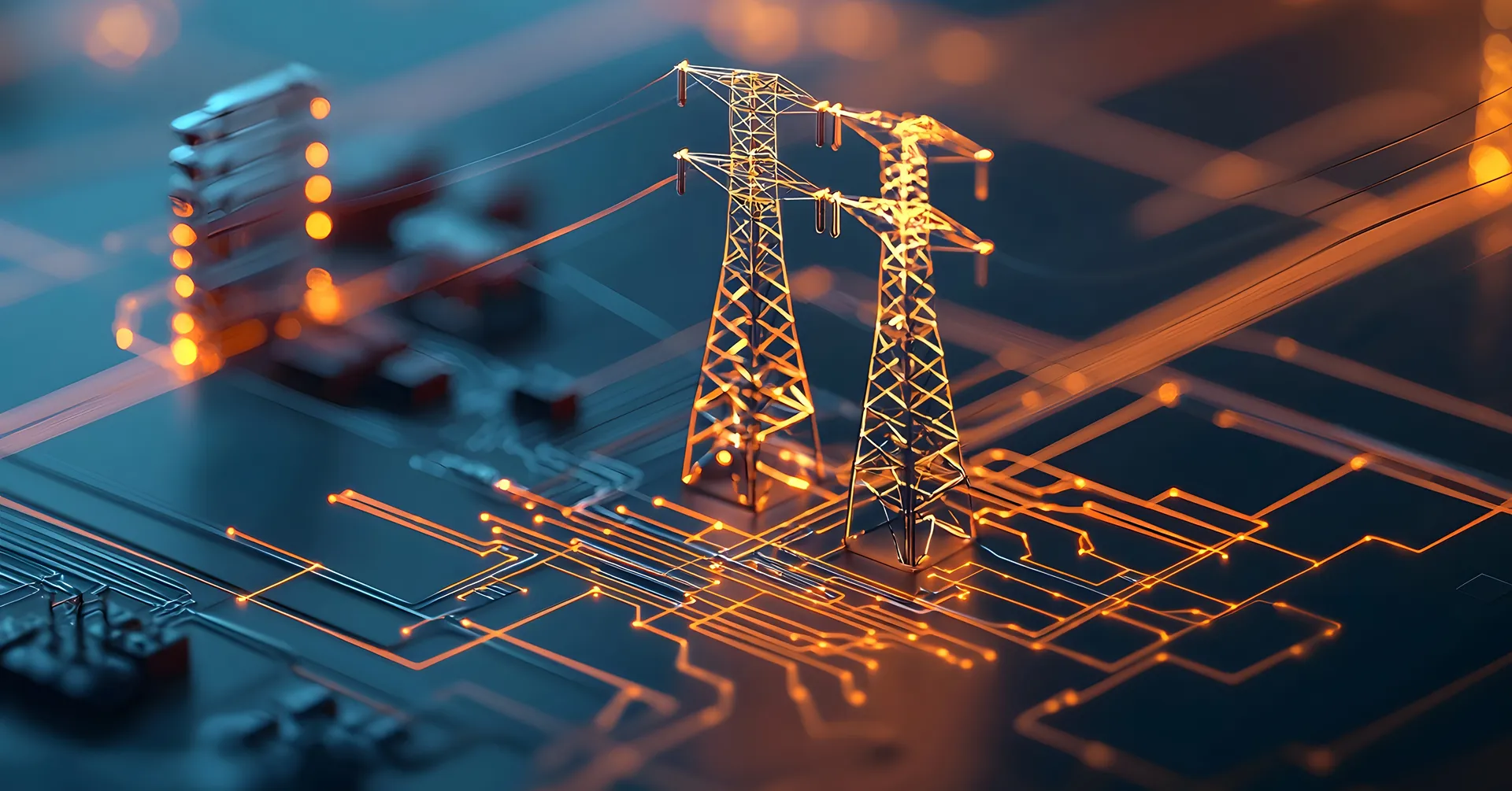
Digital twins represent virtual replicas of physical energy systems that create dynamic, real-time connections between actual infrastructure and their digital counterparts. In energy management, these digital twin technologies capture data from sensors, IoT devices, and operational management systems to build accurate digital representations of everything from individual equipment to entire power grids and energy networks.
The digital twin is a virtual model that continuously updates based on real-world data streams, enabling energy managers to monitor performance, predict equipment failures, and test optimization strategies without disrupting actual operations. This service integrates machine learning algorithms and advanced analytics to process vast amounts of energy data, transforming raw information into actionable insights that improve energy efficiency and operational performance across the energy value chain.
According to research from the U.S. Department of Energy, organizations implementing digital twins for energy management can reduce energy consumption by 15-30% through predictive maintenance and real-time optimization. The technology creates a feedback loop where physical system performance informs the digital twin, which then guides strategic decisions to optimize energy use and minimize waste throughout the energy infrastructure. This represents a fundamental shift in how the energy sector approaches asset management and operational excellence.
What Are the Key Applications of Digital Twins in Energy Management Systems?
The applications of digital twins in energy management span the entire spectrum of energy operations, from generation and storage to distribution and consumption. Digital twins in the energy sector enable organizations to model complex systems, predict future states, and optimize performance in ways that were impossible with traditional management approaches.
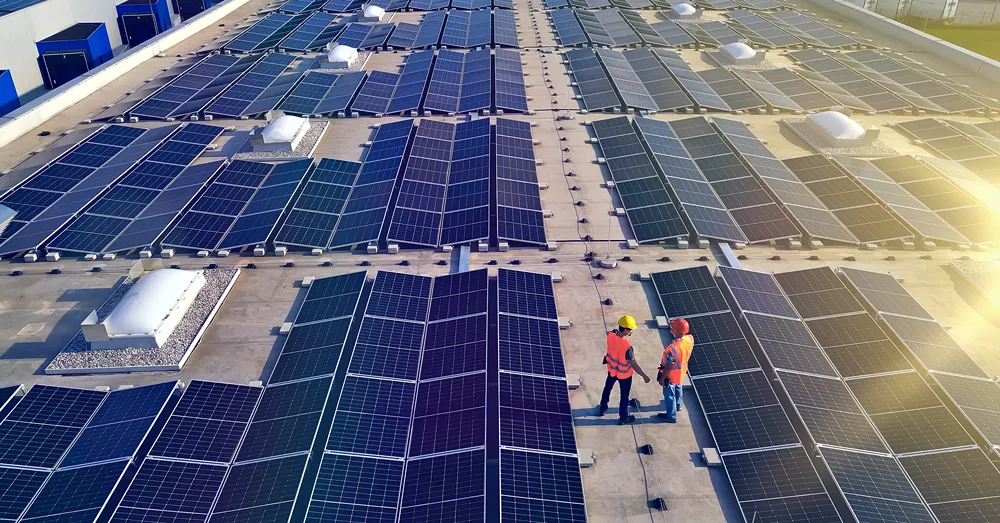
In power generation, digital twins model everything from traditional fossil fuel plants to renewable energy systems like solar arrays and wind turbine installations. These models predict energy production based on multiple variables including weather patterns, equipment condition, and demand forecasts. The digital twin system enables operators to maximize output while minimizing maintenance costs and extending equipment lifespan through predictive analytics and real-time optimization.
For energy storage systems, digital twins model battery degradation, charge cycles, and optimal dispatch strategies. As energy storage becomes increasingly critical for balancing intermittent renewable energy sources, the ability to predict and optimize storage system performance directly impacts grid stability and economic viability. Digital twins provide detailed insights into state of charge, remaining useful life, and optimal operating parameters that maximize return on investment in expensive storage infrastructure.
The International Energy Agency reports that applications in the energy sector using digital twin technology achieve 20-35% improvements in asset management efficiency. Digital twins also enable sophisticated grid management capabilities, modeling transmission and distribution networks to predict failures, optimize power flows, and coordinate distributed energy resources across increasingly complex energy grids. Organizations focused on federal B2G strategy recognize that demonstrating advanced technology adoption through digital twin implementation can strengthen positioning for government contracts and partnerships.
How Do Digital Twins Enable Optimization of Energy Consumption and Operations?
Digital twins enable organizations to optimize energy consumption through continuous monitoring, predictive analytics, and autonomous control capabilities that fundamentally transform energy management practices. The digital twin models provide comprehensive views of energy consumption across all systems, identifying optimization opportunities that would be invisible to traditional management approaches.
Energy system optimization begins with understanding current performance in granular detail. Digital twins collect data from every sensor and system, creating complete pictures of energy demand, production, and distribution. This visibility extends to understanding how different operational decisions affect energy use, enabling managers to make informed choices about equipment operation, production scheduling, and energy procurement strategies.
The digital twin can test optimization strategies virtually before implementing them in physical systems. Organizations can simulate changes to HVAC setpoints, production schedules, or equipment configurations to understand their impact on energy consumption without risking operational disruption. This simulation capability accelerates the identification and implementation of energy-saving measures while eliminating the trial-and-error approach that characterizes traditional optimization efforts.
Machine learning algorithms within digital twins continuously analyze energy consumption patterns, identifying opportunities to improve energy efficiency automatically. As the digital twin learns from operational data, it becomes increasingly effective at predicting energy demand, optimizing equipment operation, and coordinating distributed energy resources to minimize costs while maintaining performance requirements. Research from IEEE demonstrates that organizations using digital twin technologies for energy monitoring and optimization achieve 25% greater accuracy in forecasting compared to traditional methods, enabling better procurement strategies and significantly reduced operational costs.
What Role Do Digital Twins Play in Renewable Energy Integration and Grid Management?
Renewable energy integration presents one of the most complex challenges in modern energy management, and digital twins provide critical solutions for managing variable renewable energy sources. The intermittent nature of solar and wind power requires sophisticated forecasting and management capabilities that digital twin system deliver exceptionally well.
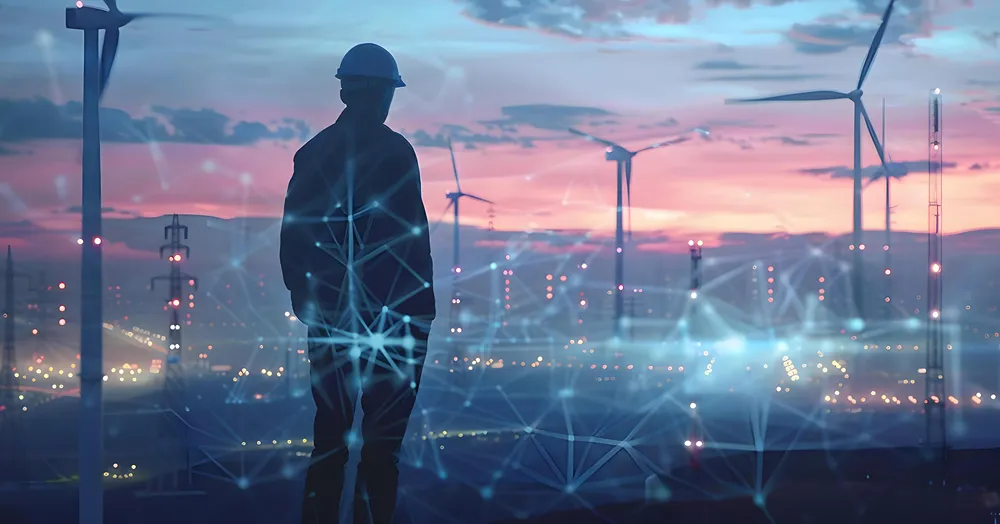
Digital twin models of renewable energy systems predict energy production based on weather forecasts, historical performance data, and real-time conditions. This predictive capability allows grid management operators to balance renewable energy sources with conventional generation and energy storage more effectively. The digital twins can simulate various scenarios to optimize the mix of energy resources, ensuring grid stability while maximizing renewable energy utilization and improved energy efficiency across the power system.
Digital twins enable the integration of renewable energy sources into larger energy networks with unprecedented coordination. As more organizations install on-site renewable energy systems, the complexity of managing bidirectional energy flows, storage systems, and grid interactions increases exponentially. The digital twin provides a unified view of these distributed energy resources, enabling coordinated control and optimization across the entire energy ecosystem.
The National Renewable Energy Laboratory indicates that digital twins can improve renewable energy integration efficiency by 25-40%, reducing curtailment and maximizing the value of renewable investments. Grid management enhanced with digital twin capabilities can handle higher penetrations of renewable energy sources while maintaining reliability and energy security. This capability becomes increasingly critical as the energy sector transitions toward sustainable energy systems while ensuring affordability and resilience. Organizations experienced in cyber security govcon understand that protecting these digital twin platforms from cyber threats is essential to maintaining operational integrity and energy system security.
What Are the Benefits of Digital Twins for Energy Efficiency and Asset Management?
The benefits of digital twin technology in the energy industry extend far beyond simple monitoring to deliver transformative improvements in energy efficiency and asset management. Digital twins create value through multiple mechanisms that compound over time as the systems learn and become more sophisticated.
First, digital twins enable predictive maintenance strategies that fundamentally change how organizations manage energy infrastructure. Traditional reactive or time-based maintenance approaches either result in unexpected failures or waste resources servicing equipment that doesn't require attention. The digital twin continuously analyzes sensor data from energy equipment, identifying subtle changes that indicate developing problems, allowing maintenance teams to intervene precisely when needed.
Second, digital twins offer a comprehensive view of asset management across entire portfolios of energy equipment. Organizations can track asset performance, compare similar equipment across multiple sites, and identify which assets deliver best-in-class performance. This visibility enables data-driven decisions about capital investments, equipment upgrades, and maintenance strategies that maximize return on investment throughout asset lifecycles.
Third, the benefits of digital twins include enhanced energy efficiency through continuous optimization. As digital twins monitor every aspect of energy use, they identify opportunities to reduce energy consumption and eliminate waste. Machine learning algorithms discover optimization strategies that human operators would never identify, implementing improvements automatically while maintaining operational requirements.
According to Gartner research, organizations implementing digital twin technologies for asset management report 30% reduction in maintenance costs and 25% improvement in asset utilization. These improvements translate directly to enhanced operational efficiency and reduced costs across energy operations. Organizations with experience in time tracking for large government contracts recognize that the discipline and precision required for government contracting translates well to the rigorous data management and performance tracking essential for digital twin success.
How Do Digital Twins Transform Energy Distribution and Supply Chain Management?
Digital twins are revolutionizing how organizations manage energy distribution networks and energy supply chains, creating unprecedented visibility and control across complex systems. The ability to model entire distribution networks virtually enables optimization strategies that were impossible with traditional management approaches.
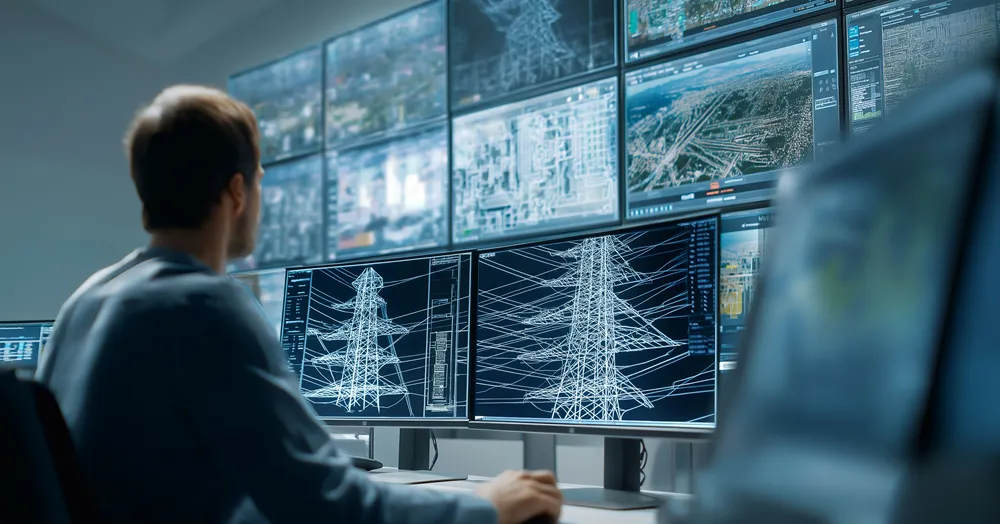
For energy distribution networks, digital twins create comprehensive models of transmission lines, substations, transformers, and distribution equipment. These models incorporate real-time data on power flows, equipment conditions, voltage levels, and environmental factors that affect performance. Operators can use digital twins to predict equipment failures, optimize power routing, and respond to disruptions more effectively than ever before.
The digital twin enables sophisticated analysis of energy flows through distribution systems, identifying bottlenecks, inefficiencies, and opportunities to optimize energy distribution. Organizations can simulate the impact of adding new generation capacity, connecting distributed energy resources, or upgrading infrastructure before making expensive capital commitments. This capability reduces risk and ensures investments deliver expected returns.
Energy supply chain management benefits tremendously from digital twin visibility into fuel supplies, energy production capabilities, and demand patterns. Organizations can optimize procurement strategies, coordinate multiple energy sources, and ensure resilient energy supplies even during disruptions. The digital twin models the entire energy value chain, from primary energy sources through final consumption, enabling holistic optimization that maximizes efficiency and minimizes costs.
The integration of digital twin technology with supply chain management systems creates new capabilities for managing complex energy portfolios. Organizations can coordinate generation, storage, distribution, and consumption across multiple sites and energy sources, achieving system-wide optimization that delivers far greater benefits than isolated improvements to individual components. This represents the future of energy management, where intelligent systems automatically coordinate complex operations to achieve optimal outcomes.
What Is the Future of Energy Management with Digital Twin Technologies?
The future of energy management lies in the convergence of digital twin technologies with artificial intelligence, edge computing, and advanced analytics, creating autonomous energy systems capable of self-optimization and continuous improvement. Digital transformation in the energy sector will accelerate as these technologies mature and become more accessible.
Next-generation digital twin platforms will integrate advanced AI algorithms capable of discovering optimization strategies that human operators would never identify. These systems will autonomously test thousands of operational configurations in digital environments, learning which approaches deliver optimal energy performance under various conditions. The AI-enhanced digital twin will then implement these strategies in real-world energy systems, continuously adapting to changing conditions.
The adoption of digital twin technology will expand beyond individual facilities to encompass entire regions or industry sectors. These macro-level digital twins will enable coordinated energy management across massive distributed asset portfolios, optimizing energy distribution, balancing supply and demand, and facilitating peer-to-peer energy trading in ways that aren't possible with current management systems. Discover how digital twins are creating new business models in the energy industry, including sophisticated demand response programs and decentralized energy markets.
Blockchain integration with digital twins represents another frontier, enabling secure, transparent tracking of energy production, consumption, and transactions. This combination will support new business models, including more sophisticated demand response programs and decentralized energy markets. The impact of digital twin technology will extend beyond operational improvements to enable entirely new ways of producing, distributing, and consuming energy across the energy system.
Organizations focusing on research development initiatives recognize that digital twin technologies represent one of the most promising areas for innovation in energy management. The convergence of digital twins with quantum computing, 5G networks, and advanced materials will unlock capabilities that seem impossible today, fundamentally transforming how the energy industry operates and competes. Twins in the energy sector will become standard infrastructure rather than competitive differentiators, making adoption essential for survival.
How Can Organizations Successfully Implement Digital Twin Solutions?
Digital twin implementation requires structured approaches that balance technical requirements with organizational readiness. Successful implementation begins with comprehensive assessments of existing energy infrastructure, identifying critical systems for initial digital twin deployment, and establishing clear objectives for what the service should achieve.
Organizations should begin with pilot projects targeting specific energy systems rather than attempting to digitalize all infrastructure simultaneously. Focused approaches allow teams to develop expertise, demonstrate value, and refine implementation strategies before scaling. Common starting points include major energy-consuming equipment, renewable energy production facilities, or critical components where improved energy efficiency would deliver substantial cost savings.
Data infrastructure represents crucial considerations in adoption of digital twin technology. Organizations must ensure adequate sensor coverage, reliable data transmission, and sufficient computational resources to support digital twin platforms. This often requires upgrading existing management systems or replacing legacy systems entirely to enable data collection necessary for accurate digital twin models.
Change management cannot be overlooked when integrating digital twins into energy management operations. Staff need training not just on using digital twin technology but on interpreting insights and incorporating data-driven decision-making into workflows. Organizations should establish clear governance frameworks defining how digital twin insights will inform energy management strategies and operational decisions.
The McKinsey Energy Insights study indicates that successful digital twin implementation in the energy sector typically achieves full ROI within 18-36 months, with continuing benefits as systems learn and become more sophisticated. Organizations should also consider partnerships with consultant services that specialize in digital twin deployment to accelerate implementation and avoid common pitfalls. Those familiar with no bid contracts government contracting process understand that demonstrating successful technology implementation can strengthen positioning for future opportunities.
What Challenges Must Organizations Overcome When Adopting Digital Twins?
The adoption of digital twin technology in energy management, while offering substantial benefits, presents several challenges that organizations must address strategically. Data quality and integration issues top the list of concerns, as digital twin models require accurate, consistent data from multiple sources that may use different protocols, formats, or update frequencies.
Legacy systems pose particular challenges for digital twin adoption in the energy industry. Older equipment may lack sensors or connectivity necessary to provide data digital twins require for accurate modeling. Organizations must balance costs of upgrading or retrofitting equipment against potential benefits of digital twin technologies, often prioritizing systems where improvements in energy efficiency justify investments in both hardware and software infrastructure.
Cybersecurity concerns become more acute as organizations create digital replica models of critical energy infrastructure and connect operational technology to enterprise networks. Digital twins provide detailed visibility into energy systems, making them potential targets for cyber attacks. Organizations must implement robust security measures to protect against unauthorized access, data manipulation, and cyber attacks that could compromise not just digital models but physical energy systems they represent.
Skills gaps represent another significant barrier to adoption of digital twin technology. Organizations need personnel who understand both energy systems and advanced digital technologies—combinations that are currently rare in the workforce. Developing internal capabilities through training or partnering with specialized service providers becomes necessary for successful implementation of sophisticated digital twin systems.
Initial investment costs can also deter adoption, particularly for smaller organizations or those with tight capital budgets. While long-term benefits of digital twins clearly justify investments through reduced energy costs and improved operations, organizations must secure funding and executive support based on projected returns in energy efficiency, reduced maintenance costs, and improved operational performance across energy operations.
How Do Digital Twins Help Organizations Achieve Sustainability and Resilience Goals?
Digital twins help organizations achieve sustainability and resilience goals by providing precise insights into energy consumption patterns and enabling targeted interventions that reduce energy use and emissions. As energy sector organizations face increasing pressure to demonstrate environmental responsibility, digital twins offer tools necessary to turn commitments into measurable results.
Digital twins enable detailed tracking of energy consumption and emissions across the energy value chain, identifying specific sources of waste and inefficiency. Organizations can quantify the impact of different operational decisions on sustainability metrics, enabling data-driven strategies that balance environmental goals with operational requirements. This visibility proves essential for meeting regulatory requirements and stakeholder expectations around sustainable energy practices.
The ability to integrate renewable energy sources effectively represents another critical contribution of digital twins to sustainability. By optimizing the balance between renewable generation, energy storage, and conventional sources, digital twins maximize utilization of clean energy while maintaining grid stability and reliability. This capability accelerates the transition to sustainable energy systems without compromising performance or affordability.
Resilient energy systems represent another critical outcome of digital twin implementation. By predicting equipment failures, modeling system responses to disruptions, and enabling rapid recovery from outages, digital twins enhance energy infrastructure resilience. Organizations can test emergency response procedures virtually, identifying vulnerabilities and optimizing response strategies before actual emergencies occur.
The capabilities of digital twins extend to supporting circular economy initiatives in the energy industry. By tracking asset condition and performance throughout lifecycles, organizations can optimize maintenance strategies that extend equipment life, plan for end-of-life recycling, and make data-driven decisions about refurbishment versus replacement. These capabilities support both sustainability goals and economic performance, demonstrating that environmental responsibility and business success are complementary rather than competing objectives.
What Makes Digital Twin Technology Essential for Modern Energy Sector Success?
Digital twins represent a transformative technology that has become essential for modern energy sector success due to converging pressures on organizations. Rising energy costs, increasing renewable energy penetration, aging infrastructure, and sustainability mandates create complex environments where traditional energy management approaches are inadequate.
Organizations that use digital twins gain competitive advantages through superior energy efficiency, lower operational costs, and enhanced ability to meet sustainability mandates. As twins in the energy industry become more prevalent, organizations without this technology in the energy sector find themselves at competitive disadvantages, unable to achieve efficiency levels and operational performance that digital twins enable.
Digital twins bridge gaps between sustainability goals and operational realities. While many organizations commit to reducing energy consumption and emissions, achieving these goals requires precise understanding of energy use patterns and ability to optimize consumption without compromising operations. Digital twins offer both insights and control capabilities necessary to make sustainability commitments achievable and measurable.
The integration of renewable energy, distributed energy resources, and energy storage creates unprecedented complexity in energy systems. Digital twins enable organizations to manage this complexity effectively, coordinating multiple energy sources, storage systems, and demand response programs to optimize overall performance. Without digital twin capabilities, managing modern energy systems becomes increasingly difficult as complexity grows.
Organizations leveraging digital twins gain strategic advantages beyond operational efficiency. The detailed insights and predictive capabilities enable better capital planning, more accurate energy cost forecasting, and improved risk management. These strategic benefits, combined with operational improvements, make digital twins essential tools for any organization serious about optimizing energy management in the modern era. The job of energy management professionals has fundamentally changed, requiring mastery of digital twin technologies to deliver results that stakeholders expect.
Key Takeaways: Digital Transformation Through Digital Twins in Energy Management
- Digital twins in energy create virtual replicas of physical systems that enable real-time monitoring, predictive analytics, and optimization strategies impossible with traditional energy management approaches
- Organizations can reduce energy consumption by 15-30% through digital twin-enabled optimization, predictive maintenance, and data-driven decision-making across energy infrastructure
- Applications of digital twins span the entire energy value chain, from generation and storage to distribution and consumption, delivering value across all energy operations
- Renewable energy integration becomes dramatically more effective with digital twins that predict production, optimize energy storage, and balance variable sources with grid stability requirements
- Benefits of digital twins include improved operational efficiency, reduced maintenance costs up to 30%, enhanced equipment reliability, and significant improvements in asset management effectiveness
- Grid management enhanced with digital twin capabilities can reduce unplanned outages by 25% while improving asset utilization by 20% and enabling higher penetrations of renewable energy sources
- Digital twin implementation requires strategic planning, adequate data infrastructure, robust cybersecurity measures, and workforce development to maximize return on investment
- The future of energy management combines digital twins with artificial intelligence to create autonomous, self-optimizing energy systems that continuously improve efficiency and sustainability
- Adoption of digital twin technology faces challenges including data integration with legacy systems, cybersecurity concerns, skills gaps, and initial investment costs requiring strategic planning
- Digital twins are essential for modern energy sector success, providing competitive advantages through superior energy efficiency, operational performance, and ability to meet sustainability mandates

%402x.svg)

