
%402x.svg)


.svg.png)


The energy sector stands at the precipice of a technological revolution, and digital twin in energy management is leading the charge. As organizations worldwide grapple with rising energy costs, sustainability mandates, and the complexity of renewable energy integration, digital twin technologies offer an unprecedented solution. This comprehensive guide explores how digital twins enable organizations to optimize energy consumption, improve energy efficiency, and build more resilient energy systems. Whether you're managing distributed energy resources, planning renewable energy integration, or seeking to reduce energy waste, understanding digital twin applications in the energy industry is essential for staying competitive in today's rapidly evolving landscape.
What is a Digital Twin in Energy Management and How Does It Work?
A digital twin represents a virtual replica of physical energy systems, creating a dynamic, real-time connection between the physical and digital worlds. In energy management, digital twin technologies capture data from sensors, IoT devices, and operational systems to create accurate digital representations of energy infrastructure, from individual equipment to entire power grids.
The digital twin model continuously updates based on real-world data, enabling energy managers to monitor performance, predict failures, and test optimization strategies without disrupting actual operations. This technology integrates machine learning algorithms and advanced analytics to process vast amounts of energy data, transforming raw information into actionable insights into energy consumption patterns and system behavior.
According to research from the Department of Energy, digital twins can reduce energy consumption by 10-20% through predictive maintenance and optimization strategies. The technology creates a feedback loop where physical system performance informs the digital model, which then guides strategic decisions to improve efficiency and reduce energy waste.
What Are the Key Benefits of Digital Twin Technology in the Energy Sector?
The benefits of digital twin technology in energy management extend far beyond simple monitoring. Organizations implementing digital twins experience transformative improvements across multiple dimensions of energy operations and management systems.
First, digital twins enable proactive management of energy resources rather than reactive responses to problems. By analyzing historical data and real-time inputs, the digital twin can predict equipment failures before they occur, reducing downtime and maintenance costs. The International Energy Agency reports that predictive maintenance enabled by digital twin technologies can reduce maintenance costs by up to 30% while extending equipment lifespan.
Second, digital twin applications facilitate unprecedented optimization of energy systems. Energy managers can simulate energy scenarios, test different operational strategies, and identify the most efficient configurations without risking actual infrastructure. This capability proves particularly valuable when integrating renewable energy sources, where variability and intermittency present unique challenges requiring sophisticated energy management strategies.
The advantage of digital twins also includes enhanced decision-making through data-driven insights. Rather than relying on assumptions or limited data points, energy professionals can base strategies on comprehensive digital twin models that account for countless variables affecting energy performance. Organizations leveraging digital twins for energy management report improved energy efficiency of 15-25%, demonstrating the substantial impact of this technology in the energy industry.

How Do Digital Twins Transform Energy Consumption Monitoring and Analysis?
Digital twins for energy consumption monitoring represent a quantum leap beyond traditional energy management systems. Where conventional approaches might track energy use at broad intervals, digital twin platforms provide granular, real-time insights into energy consumption across every component of energy infrastructure.
The digital twin continuously collects data from smart meters, building management systems, and industrial equipment, creating a comprehensive picture of energy demand patterns. Advanced analytics within the digital twin model identify anomalies, inefficiencies, and opportunities to optimize energy usage that would be impossible to detect through manual analysis.
This detailed monitoring extends to understanding how various operational factors influence energy consumption. The digital twin can correlate production schedules, weather patterns, equipment age, and operational modes to reveal the complex relationships driving energy use. Organizations can then develop targeted strategies to reduce energy consumption during peak demand periods or adjust operations to take advantage of lower energy costs.
Research from IEEE demonstrates that organizations using digital twin technology for energy monitoring achieve 18% greater accuracy in energy forecasting compared to traditional methods. This precision enables better energy procurement strategies, more effective demand response participation, and significantly reduced energy costs across operations.
What Role Do Digital Twins Play in Renewable Energy Integration?
Renewable energy integration presents one of the most complex challenges in modern energy management, and digital twins provide critical solutions. The intermittent nature of renewable energy sources like solar and wind requires sophisticated forecasting and management capabilities that digital twin technologies deliver exceptionally well.
A digital twin model of renewable energy systems can predict energy output based on weather forecasts, historical performance data, and real-time conditions. This predictive capability allows grid management operators to balance renewable energy sources with conventional generation and energy storage resources more effectively. The digital twin simulates various scenarios to optimize the mix of energy resources, ensuring grid stability while maximizing renewable energy utilization.
Digital twins also facilitate the integration of distributed energy resources into larger energy networks. As more organizations install on-site renewable energy systems, the complexity of managing bidirectional energy flows, energy storage, and grid interactions increases exponentially. The digital twin platform creates a unified view of these distributed energy assets, enabling coordinated control and optimization across the entire energy ecosystem.
The National Renewable Energy Laboratory indicates that digital twins can improve renewable energy integration efficiency by 20-30%, reducing curtailment and maximizing the value of renewable energy investments. This capability becomes increasingly critical as the energy sector transitions toward sustainable energy systems and organizations seek to integrate renewable energy sources while maintaining reliability and energy efficiency.
How Can Organizations Use Digital Twins to Improve Energy Efficiency?
Implementing digital twins specifically to improve energy efficiency requires a strategic approach that combines technology deployment with organizational change management. The process begins with establishing comprehensive sensor networks and data collection infrastructure that feeds the digital twin with accurate, real-time information about energy systems.
Once the digital twin is operational, organizations can identify specific inefficiencies through detailed analysis of energy consumption patterns. The digital twin model reveals which equipment consumes excessive energy, when energy waste occurs, and where operational adjustments could reduce energy demand without compromising productivity. These insights enable targeted interventions that deliver measurable improvements in energy performance.
Advanced applications involve using the digital twin to continuously optimize energy management systems. Machine learning algorithms within the digital twin platform can automatically adjust HVAC systems, lighting, and industrial processes based on occupancy, production schedules, and energy costs. This autonomous optimization ensures that energy systems always operate at peak efficiency without requiring constant manual intervention.
Organizations serious about federal B2G strategy and government contracting understand that demonstrating superior energy efficiency can provide competitive advantages in procurement processes. The ability to use digital twin technology to document and verify energy performance improvements aligns with federal sustainability requirements and can strengthen proposals for research development initiatives focused on energy innovation.
What Are the Applications of Digital Twins in Energy Storage and Grid Management?
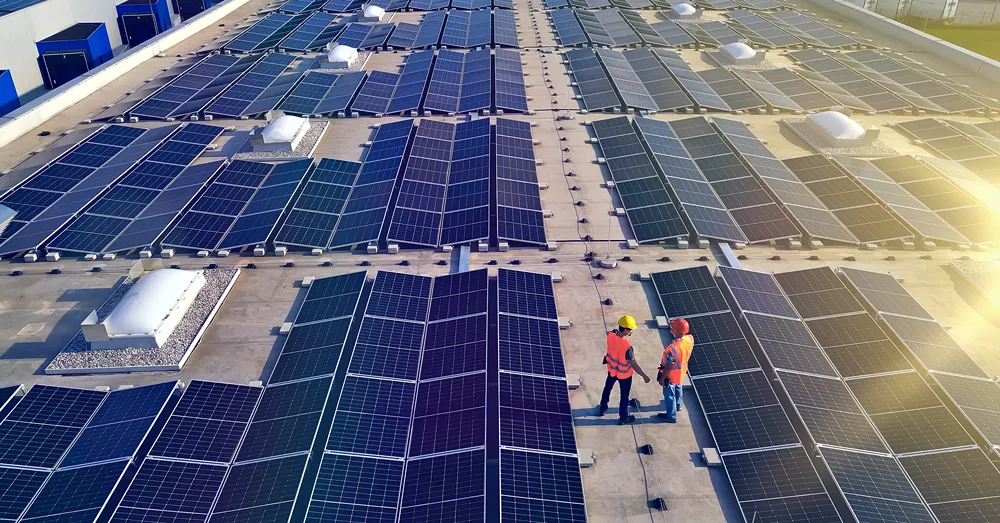
Energy storage systems and grid management represent critical applications where digital twin technologies deliver exceptional value. As energy systems incorporate more battery storage, pumped hydro, and other storage technologies, managing charge cycles, state of charge, and optimal dispatch becomes increasingly complex.
The digital twin creates a virtual representation of energy storage assets, modeling degradation patterns, efficiency curves, and optimal operating parameters. This enables energy managers to maximize the lifespan and effectiveness of expensive storage infrastructure while ensuring energy is available when needed. Digital twins can predict when storage systems require maintenance and optimize charging strategies based on energy prices and demand forecasts.
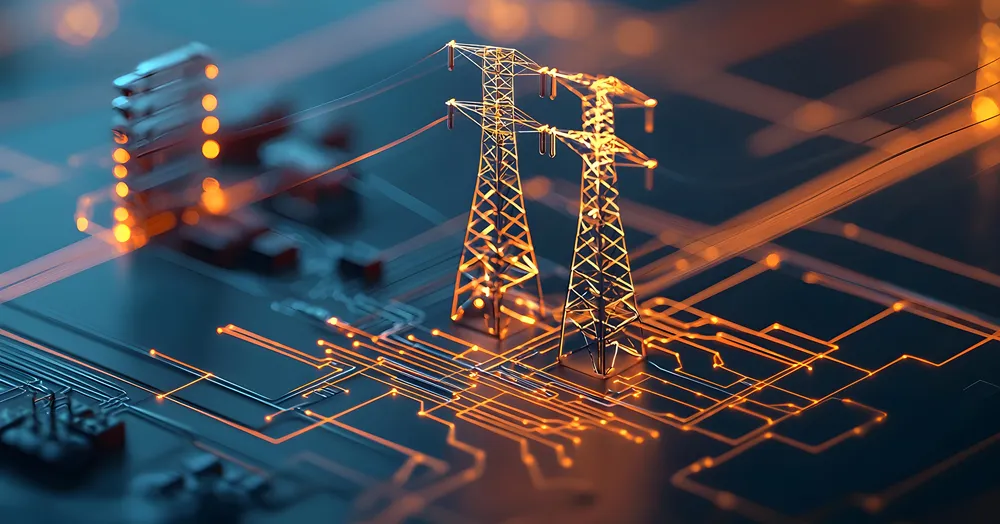
For grid management, digital twins provide unprecedented visibility into transmission and distribution networks. The digital twin model encompasses substations, transmission lines, transformers, and distribution equipment, creating a comprehensive view of energy infrastructure health and performance. Grid operators can use digital twins to monitor system conditions in real-time, predict potential failures, and simulate the impact of adding new generation or load to the network.
According to Gartner research, utilities implementing digital twin technologies for grid management report 25% reduction in unplanned outages and 20% improvement in asset utilization. These improvements translate directly to enhanced grid reliability and reduced operational costs across the energy distribution system.
How Do Digital Twins Enable Predictive Maintenance in Energy Systems?
Digital twins enable predictive maintenance strategies that fundamentally change how organizations manage energy infrastructure. Traditional reactive or time-based maintenance approaches either result in unexpected failures or waste resources servicing equipment that doesn't require attention. The digital twin provides a superior alternative through continuous condition monitoring and predictive analytics.
The digital twin continuously analyzes sensor data from energy equipment, identifying subtle changes in vibration, temperature, efficiency, or other parameters that indicate developing problems. Machine learning algorithms within the digital twin platform recognize patterns associated with specific failure modes, allowing maintenance teams to intervene precisely when needed—neither too early nor too late.
This predictive capability extends across all types of energy assets, from turbines and generators to transformers and distribution equipment. The digital twin model accounts for equipment age, operational history, environmental conditions, and utilization patterns to generate accurate predictions of remaining useful life and optimal maintenance timing.
Organizations implementing predictive maintenance through digital twin technology report maintenance cost reductions of 25-40% while simultaneously improving equipment reliability and energy efficiency. This approach proves particularly valuable for critical energy infrastructure where unplanned downtime carries substantial financial and operational consequences, similar to the precision required in time tracking for large government contracts where accuracy and accountability are paramount.
What is the Future of Energy Management with Digital Twins and AI Integration?
The future of energy management lies in the convergence of digital twin technologies with artificial intelligence, creating autonomous energy systems capable of self-optimization and continuous improvement. Current digital twin applications already incorporate machine learning, but emerging developments will enable far more sophisticated capabilities of digital twins in managing complex energy systems.
Next-generation digital twin platforms will integrate advanced AI algorithms capable of discovering optimization strategies that human operators would never identify. These systems will autonomously test thousands of operational configurations in the digital environment, learning which approaches deliver optimal energy performance under various conditions. The AI-enhanced digital twin will then implement these strategies in real-world energy systems, continuously adapting to changing conditions.
The adoption of digital twin technology will also expand beyond individual facilities to encompass entire regions or industry sectors. These macro-level digital twins will enable coordinated energy management across distributed assets, optimizing energy distribution, balancing supply and demand, and facilitating peer-to-peer energy trading in ways that aren't possible with current management systems.
Blockchain integration with digital twins represents another frontier, enabling secure, transparent tracking of energy production, consumption, and transactions. This combination will support new business models in the energy industry, including more sophisticated demand response programs and decentralized energy markets. Organizations focusing on cyber security govcon understand that securing these interconnected digital twin platforms will be critical as energy infrastructure becomes increasingly digitized.
How Can Organizations Successfully Implement Digital Twins in Their Energy Infrastructure?
Implementing digital twins requires a structured approach that balances technical requirements with organizational readiness. The first step involves conducting a comprehensive assessment of existing energy infrastructure, identifying critical systems for initial digital twin deployment, and establishing clear objectives for what the digital twin should achieve.
Organizations should begin with pilot projects targeting specific energy systems rather than attempting to digitalize all energy infrastructure simultaneously. A focused approach allows teams to develop expertise, demonstrate value, and refine implementation strategies before scaling. Common starting points include major energy-consuming equipment, renewable energy installations, or critical components where improved energy efficiency would deliver substantial cost savings.
Data infrastructure represents a crucial consideration in digital twin implementation. Organizations must ensure they have adequate sensor coverage, reliable data transmission, and sufficient computational resources to support the digital twin platform. This often requires upgrading existing building management systems or industrial control systems to enable the data collection necessary for accurate digital twin models.
Change management cannot be overlooked when integrating digital twins into energy management operations. Staff need training not just on using the digital twin technology but on interpreting insights and incorporating data-driven decision-making into their workflows. Organizations should establish clear governance frameworks defining how digital twin insights will inform energy management strategies and operational decisions.
The McKinsey Energy Insights study indicates that successful digital twin implementations in the energy sector typically achieve full ROI within 18-36 months, with continuing benefits as the digital twin model becomes more sophisticated through ongoing learning and optimization. Organizations with experience in no bid contracts government contracting process recognize that demonstrating successful technology implementation can strengthen their positioning for future opportunities.
What Challenges Must Organizations Overcome When Adopting Digital Twin Technology in Energy?
The adoption of digital twin technology in energy management, while offering substantial benefits, presents several challenges that organizations must address strategically. Data quality and integration issues top the list of concerns, as digital twin models require accurate, consistent data from multiple sources that may use different protocols, formats, or update frequencies.
Legacy energy infrastructure poses particular challenges for digital twin implementation. Older equipment may lack the sensors or connectivity necessary to provide the data digital twins require. Organizations must balance the cost of upgrading or retrofitting equipment against the potential benefits of digital twin technology, often prioritizing systems where the improvement in energy performance justifies the investment.
Cybersecurity concerns become more acute as organizations create digital representations of critical energy infrastructure and connect operational technology to enterprise networks. The digital twin platform must be protected against unauthorized access, data manipulation, and cyber attacks that could compromise not just the digital model but the physical energy systems it represents.
Skills gaps represent another significant barrier to digital twin adoption in the energy industry. Organizations need personnel who understand both energy systems and advanced digital technologies—a combination that's currently rare in the workforce. Developing internal capabilities through training or partnering with specialized providers becomes necessary for successful implementation.
Initial investment costs can also deter adoption, particularly for smaller organizations or those with tight capital budgets. While the long-term benefits of digital twin technology clearly justify the investment, organizations must secure funding and executive support based on projected returns in energy efficiency, reduced maintenance costs, and improved operational performance.
Key Takeaways: Leveraging Digital Twins for Superior Energy Management
- Digital twin technology creates virtual replicas of energy systems that enable real-time monitoring, predictive analytics, and optimization strategies impossible with traditional energy management approaches
- Organizations can reduce energy consumption by 10-25% through digital twin-enabled optimization, predictive maintenance, and data-driven decision-making across their energy infrastructure
- Renewable energy integration becomes dramatically more effective with digital twins that can predict output, optimize storage, and balance variable renewable energy sources with grid stability requirements
- Predictive maintenance enabled by digital twins reduces maintenance costs by 25-40% while improving equipment reliability and extending asset lifespan across energy systems
- Successful implementation requires starting with focused pilot projects, ensuring adequate data infrastructure, addressing cybersecurity concerns, and developing workforce capabilities in both energy and digital technologies
- The future of energy management combines digital twins with artificial intelligence to create autonomous, self-optimizing energy systems that continuously improve efficiency and sustainability
- Digital twins enable organizations to simulate energy scenarios, test optimization strategies, and identify efficiency improvements without risking actual infrastructure or disrupting operations
- Grid management and energy storage applications benefit tremendously from digital twin visibility, improving reliability, asset utilization, and integration of distributed energy resources
- Adoption challenges including data quality, legacy infrastructure, cybersecurity, skills gaps, and initial costs require strategic planning and organizational commitment to overcome successfully
- Energy sector organizations that successfully leverage digital twins gain substantial competitive advantages through superior energy efficiency, lower operational costs, and enhanced ability to meet sustainability mandates

%402x.svg)

