
%402x.svg)


.svg.png)


The renewable energy sector faces unprecedented challenges requiring sophisticated technological solutions that can handle variable generation, complex system integration, and demanding efficiency requirements. Digital twins emerge as transformative technology in renewable energy applications, creating virtual replicas of physical systems that enable real-time optimization, predictive maintenance, and intelligent management across solar, wind, and other clean energy installations. This comprehensive exploration examines critical use cases where digital twin technologies revolutionize how renewable energy systems operate, from individual asset monitoring and energy storage coordination to grid integration and energy demand forecasting. Whether you're developing renewable projects, managing sustainable energy portfolios, or planning the transition to sustainable energy systems, understanding digital twins in energy applications provides essential competitive advantages. This article demonstrates how using digital twin platforms optimizes renewable energy performance, reduces energy costs, extends asset lifespan, and accelerates the integration of renewable energy sources into existing infrastructure. Discover how digital twins enable the energy efficiency, resilience, and intelligence required for sustainable energy futures while delivering measurable operational and financial benefits across the energy industry. The role of digital twins in advancing clean energy adoption represents one of the most significant technological developments shaping the future of energy systems globally.
What Are Digital Twins for Energy Management in Renewable Systems?
Digital twins create comprehensive digital representations of renewable energy assets and systems through continuous data integration from sensors, control systems, and operational platforms. In renewable energy systems, the digital twin model replicates solar arrays, wind farms, hydroelectric facilities, and energy storage installations, maintaining synchronization with physical systems through real-time information flows. This digital model combines performance metrics, environmental conditions, equipment health indicators, and grid connectivity data to provide holistic visibility into renewable operations.
Digital twin technologies process diverse data streams using advanced analytics, machine learning algorithms, and physics-based simulations to generate actionable insights for energy management. The digital twin framework integrates information from weather forecasting systems, energy market platforms, grid operators, and maintenance management system tools to support comprehensive decision-making. Unlike traditional monitoring software that primarily tracks historical performance, digital twins enable predictive and prescriptive capabilities that anticipate future conditions and recommend optimal actions across the renewable energy system.
The physical and digital connection established by digital twin technology creates bidirectional communication where real-world asset conditions inform virtual models while digital twins send control signals and optimization recommendations back to physical systems. This closed-loop integration allows renewable energy operators to test scenarios virtually before implementing changes in actual operations, dramatically reducing risk while accelerating continuous improvement. Implementing digital twins transforms renewable project management from reactive problem-solving to proactive optimization strategies. Learn foundational concepts in our guide to digital twin implementation.
What Are the Key Use Cases of Digital Twins in Renewable Energy?
The use cases for digital twins in energy span every domain of renewable operations, delivering value across generation optimization, asset maintenance, grid integration, and energy storage coordination. Solar installations use digital twins to model panel performance, predict energy output based on weather conditions, and identify degradation patterns requiring intervention. The digital twin analyzes how shading, soiling, temperature variations, and equipment aging affect energy production, enabling operators to maximize yield while minimizing operational costs.
Wind energy represents another critical application where digital twins for wind farms enhance performance through turbine-level and system-wide optimization. Individual turbine digital twins monitor blade conditions, gearbox performance, and generator health to predict failures before they occur. Digital wind farm systems coordinate multiple turbines to optimize energy generation while minimizing wake effects and mechanical stress. The comprehensive review of digital twin implementations in wind energy demonstrates capacity factor improvements of 5-15% through intelligent optimization.
Energy storage systems paired with renewable energy sources require sophisticated coordination that digital twins enable through integrated modeling and control. The digital twin provides optimal charging strategies considering renewable generation availability, grid conditions, electricity prices, and battery health parameters. This intelligent management maximizes revenue from energy arbitrage and grid services while preserving storage asset longevity. The integration of renewable energy sources with storage creates virtual generation assets providing reliable capacity despite variable primary production. Read about broader applications in our analysis of how AI and digital twins are revolutionizing business operations.
How Do Digital Twins in Energy Improve Efficiency and Performance?
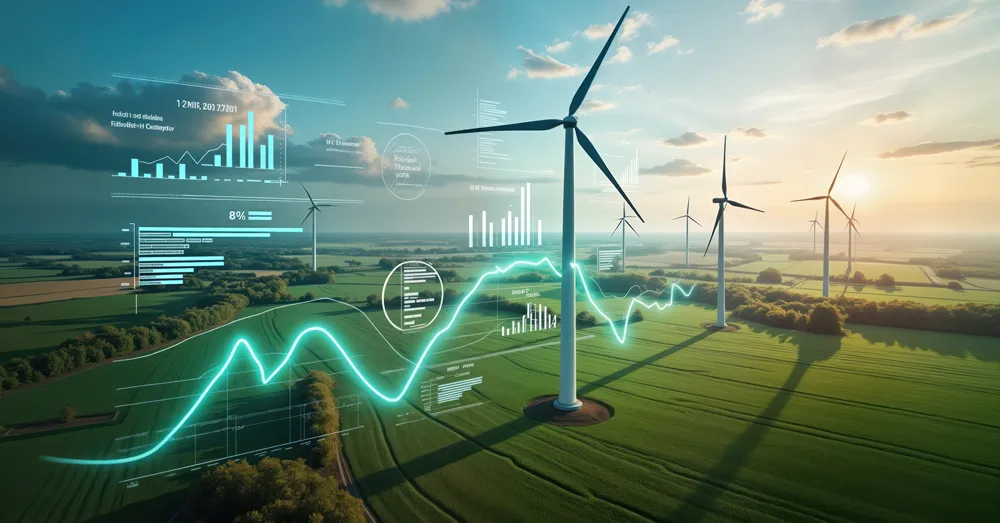
Digital twins deliver substantial efficiency improvements across renewable energy operations through continuous monitoring, predictive analytics, and automated optimization. The digital twin identifies performance deviations immediately, enabling rapid response that prevents minor issues from becoming major problems. Real-time digital analysis reveals when solar panels underperform due to soiling, when wind turbines experience suboptimal pitch angles, or when inverters operate inefficiently, triggering corrective actions that improve efficiency.
Energy efficiency optimization extends beyond individual asset performance to system-wide coordination that maximizes total output. Digital twins allow operators to balance generation across multiple renewable sources, coordinate distributed energy resources, and optimize energy delivery considering grid constraints and market signals. This holistic perspective reveals opportunities that component-level analysis would miss, enabling management strategies that improve energy performance across entire portfolios.
Reducing energy losses throughout the renewable energy system represents another critical benefit where digital twins identify waste in energy conversion, transmission, and storage processes. The digital twin models energy flows from generation through delivery, quantifying losses at each stage and recommending improvements. Organizations report total system efficiency gains of 3-12% through digital twin-guided optimization, directly improving project economics and environmental performance. These improvements position renewable energy projects to compete more effectively against conventional generation while accelerating sustainable energy adoption.
What Benefits of Digital Twins Drive Renewable Energy Sector Adoption?
The benefits of digital twins extend across operational, financial, environmental, and strategic dimensions, creating compelling value propositions throughout the renewable energy sector. Asset reliability improvements represent the most visible advantage where predictive maintenance capabilities extend equipment lifespan and reduce unplanned downtime. Digital twins predict when wind turbine gearboxes, solar inverters, or battery systems will require attention, enabling scheduled interventions during low-value periods rather than experiencing costly emergency failures.
Financial performance gains through optimized energy production and reduced energy costs justify digital twin investments rapidly. Renewable operators report energy output increases of 5-20% through digital twin optimization while simultaneously reducing operating expenses by 10-30%. These improvements directly enhance project returns, making renewable energy more competitive and attracting investment capital that accelerates clean energy deployment.
Environmental and sustainability benefits position digital twin technologies as essential tools for climate action. Digital twins maximize clean energy generation, minimize sustainable resource consumption, and support grid integration that displaces fossil fuel generation. The technology enables renewable energy projects to demonstrate verifiable environmental performance, supporting corporate sustainability commitments, regulatory compliance, and green financing initiatives. The potential of digital twins to accelerate sustainable energy transitions makes them strategic priorities for organizations committed to climate solutions. Explore comprehensive transformation in our digital twin technology revolution analysis.
How Can Digital Twins for Energy Management Optimize Renewable Energy Systems?
Digital twins for energy management enable sophisticated optimization across generation, storage, and delivery domains that traditional management systems cannot achieve. The digital twin simultaneously evaluates multiple objectives including energy output maximization, cost minimization, equipment preservation, and grid service provision. Advanced algorithms identify operating strategies that advance all objectives rather than trading off one against another, revealing win-win solutions that conventional approaches miss.
Real-time energy management becomes dramatically more effective through digital twin platforms that respond to changing conditions instantly. As weather patterns shift, energy demand fluctuates, or equipment performance varies, the digital twin continuously recalculates optimal operating parameters and implements immediate adjustments that optimize energy delivery. This dynamic responsiveness captures value that static operational plans sacrifice, particularly important for renewable energy with inherent variability.
Smart energy management leveraging digital twins extends beyond individual assets to coordinate distributed energy resources across renewable portfolios, storage systems, and grid connections. The integrated energy management platform balances generation from various energy sources, manages flows to energy storage systems, coordinates deliveries to the energy grid, and responds to market signals that influence optimal dispatch. This comprehensive orchestration creates resilient energy systems capable of maintaining performance despite system complexity and external volatility.
What Role of Digital Twins Exists in Renewable Energy Storage Integration?
The role of digital twins in energy storage integration proves critical as renewable energy systems increasingly rely on batteries to buffer generation variability. Energy storage digital twins model battery performance considering temperature, charge cycles, depth of discharge, state of health, and operational history. These digital replicas predict capacity degradation, recommend optimal charging strategies, and identify when batteries should be retired or repurposed, maximizing storage asset value throughout their lifecycle.
Digital twins coordinate renewable generation with storage operations to optimize when energy should be stored versus delivered immediately to the grid or loads. The digital twin forecasts renewable energy production using weather predictions and historical patterns, anticipates energy demand through load analysis, and evaluates electricity price forecasts to determine optimal storage dispatch schedules. This intelligent coordination maximizes both renewable utilization and storage revenue while maintaining grid stability.
Advanced digital storage management through digital twins enables participation in multiple value streams simultaneously. The digital twin optimizes storage operations across energy arbitrage (buying low, selling high), frequency regulation, voltage support, capacity provision, and backup power services. This multi-objective optimization captures value that simple operational strategies would leave unclaimed, improving storage project economics and supporting renewable energy expansion. The technology in the energy storage domain continues evolving as digital twin capabilities mature.
How Are Digital Twins in the Energy Sector Supporting Grid Integration?
Digital twins in the energy sector address critical renewable energy grid integration challenges including generation variability, voltage regulation, frequency stability, and transmission congestion. The digital twin models how renewable generation affects grid operations under different conditions, predicting where stability issues may emerge and recommending preventive measures. This proactive management maintains grid reliability despite increasing renewable penetration levels that traditional infrastructure struggled to accommodate.
Energy grid operators employ digital twins to coordinate diverse renewable energy sources including solar, wind, hydroelectric, and geothermal installations across geographic regions. The digital twin aggregates real-time data from distributed renewable assets, forecasts their collective output, and manages their integration with conventional generation, storage, and demand response resources. This comprehensive coordination creates virtual management centers that maintain system balance despite complexity that would overwhelm traditional control approaches.
Integrating renewable energy into existing grids requires infrastructure investments informed by digital twin scenario analysis. Utilities evaluate where transmission upgrades, voltage control equipment, or grid storage installations deliver optimal value considering future renewable deployment plans. The digital twin simulates decades of operations under different infrastructure configurations, identifying project investments that maintain reliability while minimizing total system costs. This evidence-based planning accelerates renewable adoption while managing grid modernization expenses efficiently. Discover smart cities leveraging these technologies.
What Are the Challenges of Implementing Digital Twins in Renewable Energy?
Implementing digital twins in renewable energy projects presents technical, organizational, and financial challenges requiring systematic solutions. Data management complexity tops the list as renewable installations involve diverse sensors, control systems, weather stations, and grid interfaces generating massive data volumes. Ensuring data quality, timeliness, and accessibility across distributed assets demands robust infrastructure and governance processes. Real-time digital integration requires reliable connectivity that may not exist at remote renewable sites.
Software platform selection and customization present another challenge where organizations must balance capability, cost, and vendor support considerations. Digital twin solutions range from specialized renewable energy platforms to general-purpose industrial software requiring extensive configuration. Organizations must evaluate whether commercial software meets their needs or whether custom development delivers better long-term value. The systematic literature review of digital twin implementations reveals that software architecture decisions significantly impact ultimate success.
Organizational readiness and change management determine whether digital twin capabilities deliver sustained value or become underutilized technical investments. Renewable project teams need training to interpret digital twin insights, trust analytical recommendations, and incorporate data-driven decision-making into operational processes. Developing digital twins requires equal attention to human and technological dimensions, with change management programs addressing cultural shifts, skill development, and process redesign alongside technical deployment. Consider artificial intelligence adoption strategies supporting implementation.
How Do Digital Twins Enable Sustainable Energy Transition?
Digital twins enable the transition to sustainable energy systems by creating the visibility, control, and optimization capabilities necessary for renewable-dominated energy systems. Traditional grids designed for centralized fossil fuel generation cannot accommodate high renewable penetrations without sophisticated management that digital twin technologies provide. The digital transformation powered by digital twins allows grid operators to maintain reliability while achieving renewable shares previously considered impossible.
Sustainable energy project development accelerates through digital twin-enabled performance guarantees and risk mitigation. Project developers can demonstrate expected energy output, operational costs, and financial returns with greater confidence when supported by digital twin modeling. This reduces investor risk perceptions, lowering financing costs and attracting capital that accelerates renewable deployment. The digital twin continues supporting projects post-construction by verifying actual performance matches predictions and identifying optimization opportunities.
Industrial energy users advancing sustainability commitments leverage digital twins to optimize energy procurement from renewable sources while maintaining operational reliability. The digital twin models how industrial processes can adapt to variable renewable availability, identifies opportunities to shift loads toward renewable generation periods, and coordinates on-site renewable assets with grid-supplied energy. This intelligent management enables deep decarbonization while protecting productivity and competitiveness. The impact on energy systems extends beyond individual assets to transforming entire energy economies toward sustainability.
What Does the Future of Energy Management with Digital Twins Look Like?
The future of energy management centers on increasingly autonomous digital twin systems requiring minimal human intervention for routine operations. Artificial intelligence algorithms will enable digital twins to handle complex optimization decisions automatically, continuously balancing renewable generation, managing energy storage, coordinating distributed energy resources, and responding to grid signals within established parameters. This autonomy frees human operators to focus on strategic planning, project development, and continuous improvement rather than tactical decision-making.
Future energy systems will feature digital twin platforms integrated with emerging technologies including quantum computing, blockchain, and edge analytics. Quantum algorithms may solve complex renewable energy system optimization problems in seconds rather than hours, enabling real-time coordination across vast portfolios. Blockchain integration could support transparent, automated renewable energy certificate tracking and peer-to-peer energy trading among millions of participants. Enhanced edge computing will support more sophisticated real-time processing at remote renewable sites, enabling faster local optimization.
The energy sector evolution toward democratized sustainable energy participation will leverage simplified digital twin capabilities accessible to communities, businesses, and individual consumers. Local renewable projects powered by digital twin intelligence will coordinate generation, storage, and consumption automatically without requiring expert knowledge. This democratization supports future energy visions where millions of active prosumers contribute to system stability and sustainable energy delivery at every scale. The technology in renewable energy promises resilient, intelligent systems accessible universally. Explore infrastructure applications in construction sectors.
Key Takeaways: Essential Points About Digital Twins in Renewable Energy
- Digital twins create comprehensive digital representations of renewable energy systems that mirror physical system operations through continuous data integration, enabling real-time optimization and predictive management
- Critical use cases span solar energy optimization, wind farm coordination, energy storage management, grid integration, and distributed energy resource orchestration across the renewable sector
- Benefits of digital twins include asset reliability improvements, energy efficiency gains of 5-20%, operational cost reductions of 10-30%, and accelerated sustainable energy deployment
- Digital twin technologies enable sophisticated energy management that simultaneously optimizes multiple objectives including output, cost, equipment longevity, and grid service provision
- Renewable energy performance improves through predictive analytics that forecast energy production, anticipate maintenance needs, and identify optimization opportunities before conventional monitoring reveals them
- Energy storage integration benefits from digital twin coordination that optimizes charging strategies, extends battery lifespan, and maximizes participation in multiple revenue streams
- Grid integration challenges are addressed through digital twins that model renewable variability, predict stability issues, and coordinate diverse energy sources maintaining reliability
- Implementing digital twins requires addressing data management infrastructure, software platform selection, organizational readiness, and change management alongside technical deployment
- Digital transformation powered by digital twins enables the transition to sustainable energy systems by creating capabilities necessary for renewable-dominated grids
- The future of energy management features increasingly autonomous digital twin systems, integration with quantum computing and blockchain, and democratized access supporting universal participation
- Digital twins deliver immediate adjustments that optimize energy performance continuously, responding to weather changes, demand fluctuations, and market conditions in real-time
- Sustainable project development accelerates through digital twin-enabled performance guarantees that reduce investor risk and attract financing for renewable energy expansion
- The role of digital twins extends beyond operational improvements to enabling entirely new business models, market structures, and energy management approaches transforming the sector
- Organizations leveraging digital twin technologies gain competitive advantages through superior asset performance, faster sustainable energy adoption, and more resilient energy systems
- Integrating digital twins into renewable energy operations positions organizations to lead in evolving markets characterized by decarbonization, digitalization, and distributed generation
External Resources for Further Reading:
- U.S. Department of Energy research explores renewable energy innovation, grid modernization, and digital transformation advancing sustainable energy systems
- IEEE publications offer technical papers on digital twin architectures, algorithms, and applications in renewable energy and energy storage systems
- International Energy Agency provides analysis of renewable energy trends, energy management best practices, and digital twin adoption across global energy markets
- Gartner research examines digital twin market dynamics, vendor landscapes, and strategic implications for renewable energy project developers and operators
This comprehensive exploration demonstrates how digital twins in energy represent fundamental transformation of renewable energy system operations and management. The application of digital twin technologies creates unprecedented capabilities for optimizing renewable asset performance while accelerating the integration of renewable energy sources into modern grids. Organizations embracing digital twins position themselves to thrive in the evolving energy industry where digital transformation enables solutions to urgent challenges including climate change, grid reliability, and sustainable energy access. The comprehensive review evidence confirms that digital twins deliver measurable value across efficiency, cost, reliability, and environmental dimensions while enabling operational paradigms impossible with conventional management systems. Through thoughtful implementation of digital twin platforms and committed sustainable energy management, the renewable sector achieves the performance, resilience, and intelligence defining excellence in contemporary energy markets. The digital twin capabilities based on digital twin technology advancements continue expanding, promising even more sophisticated optimization as computational power, data infrastructure, and analytical methods mature. Success stories across energy sources such as solar, wind, and energy storage demonstrate that digital twins also enable forecast energy production with unprecedented accuracy, supporting grid operators and market participants planning reliable system operations. The various energy applications shaping the future of energy position digital twins as essential infrastructure for anyone committed to advancing renewable energy deployment and management excellence globally.

%402x.svg)

