
%402x.svg)


.svg.png)


The integration of digital twins into smart building and smart cities infrastructure represents a transformative leap in how we approach energy management in smart urban environments. As cities worldwide grapple with increased energy demand, sustainability challenges, and the complexity of modern energy systems, digital twin technologies emerge as the critical enabler for achieving efficient energy management while maintaining occupant comfort and operational excellence. This comprehensive guide explores how digital twin framework implementations are revolutionizing building energy management, enabling organizations to optimize energy consumption, reduce energy waste, and create smart and sustainable urban ecosystems. Whether you're managing residential buildings, developing commercial buildings strategies, or implementing city-wide energy management system platforms, understanding the integration of digital twin technology is essential for achieving energy efficiency goals, meeting sustainability mandates, and shaping the future of energy in urban environments.
What Are Digital Twin Technologies and How Do They Transform Smart Building Energy Management?
Digital twin technology creates sophisticated virtual replicas of physical smart building systems that enable real-time monitoring, predictive analytics, and autonomous optimization of energy performance. In building energy management, the digital twin framework extends beyond simple monitoring to create dynamic, bidirectional connections between physical infrastructure and sophisticated digital models that continuously evolve based on operational data and occupant behavior patterns.
The digital twin platform architecture for smart building applications encompasses multiple integrated layers: the physical layer containing actual building systems, HVAC equipment, lighting, and sensors; the connectivity layer managing data collection and communication; the digital model layer containing mathematical representations of energy systems; the analytics layer performing energy optimization and energy prediction; and the application layer presenting insights for facility management. This comprehensive digital twin framework enables building management teams to model complex interactions between different energy systems and optimize energy performance holistically.
According to research from the U.S. Department of Energy, smart building implementations leveraging digital twin technologies achieve energy consumption reductions of 20-35% through predictive maintenance, real-time optimization, and data-driven control strategies. The digital twin creates feedback loops where operational data continuously refines model accuracy, while model predictions guide control decisions to optimize energy management across the entire building energy system.
Building digital twins enable facility management teams to test different control strategies, renovation scenarios, and equipment upgrades virtually before implementing changes in physical buildings. This simulation capability accelerates identification of opportunities to improve energy efficiency while eliminating the trial-and-error approaches that risk disrupting operations or compromising occupant comfort. The role of digital twin technology in enabling this virtual testing represents one of its most powerful value propositions for building management professionals seeking to enhance energy efficiency while maintaining or improving energy efficiency and occupant comfort.
How Do Smart Cities Leverage Digital Twin Frameworks for Energy Management?
Smart cities represent the ultimate expression of integrated urban energy management, where digital twin technologies enable coordination across transportation, buildings, utilities, and infrastructure systems to optimize energy performance at city scale. The city digital twin creates comprehensive virtual representations of urban energy systems, consumption patterns, and infrastructure characteristics that enable holistic energy optimization.
The smart cities digital twin platform integrates data from smart meters, building automation systems, traffic sensors, weather stations, utility networks, and renewable energy systems to create unified views of urban energy flows. This integration enables city planners and utility operators to identify optimization opportunities that span traditional sector boundaries, such as coordinating electric vehicle charging with renewable energy generation availability or optimizing district energy storage systems based on digital twin predictions of building energy demand patterns.
Energy management in smart cities benefits tremendously from the ability to model and simulate different development scenarios before making irreversible infrastructure investments. The city digital twin can evaluate how new residential buildings, transit systems, or renewable energy integration projects would affect overall urban energy consumption, grid stability, and sustainability outcomes. This scenario planning capability helps cities make informed decisions about infrastructure investments that balance economic, environmental, and social objectives.
Research from the International Energy Agency indicates that smart cities implementing comprehensive digital twin platforms for energy management achieve 18-28% improvements in overall urban energy efficiency while supporting more ambitious sustainability targets. The integration of digital twins across municipal departments, utilities, and private sector stakeholders creates unprecedented opportunities for coordinated energy management that delivers benefits impossible through siloed approaches. Organizations focused on federal B2G strategy understand that demonstrating advanced digital twin capabilities in smart cities applications can provide significant advantages in competing for government infrastructure modernization projects.
What Are the Key Applications of Digital Twins in Building Energy Management?
The applications of digital twin technology in building energy management span multiple scales and use cases, from optimizing individual equipment performance to coordinating entire building portfolios. Smart building digital twin implementations enable facility management teams to enhance energy efficiency, predict maintenance needs, and optimize energy use in ways that deliver measurable improvements in energy performance and operational excellence.
In HVAC management, digital twin models create detailed representations of heating, cooling, and ventilation systems that account for equipment characteristics, building thermal dynamics, occupancy patterns, and weather conditions. These models enable smart building systems to optimize energy consumption while maintaining comfort, testing different control strategies virtually, and predicting equipment failures before they occur. The artificial intelligence and digital twin combination enables continuous learning where systems become increasingly effective at energy optimization over time.
For lighting management in smart building environments, digital twin applications coordinate natural daylight availability, occupancy sensors, and task requirements to minimize energy use without compromising productivity or safety. The digital twin can forecast energy consumption based on scheduled events, historical patterns, and real-time sensor data, enabling proactive adjustments that reduce energy waste while maintaining appropriate lighting levels for different spaces and activities.
According to Gartner research, building energy management systems enhanced with digital twin capabilities achieve 25-40% better energy efficiency outcomes compared to traditional building automation systems. The digital twin framework enables sophisticated optimization of energy use across multiple systems simultaneously, considering interactions that traditional control approaches miss. Smart building technologies powered by digital twin platforms deliver compounding benefits as models learn from operational data and discover new optimization strategies. Organizations with experience in time tracking for large government contracts recognize that the rigorous performance tracking required for government work translates directly to the disciplined data management essential for successful digital twin implementation.
How Can Organizations Optimize Energy Consumption in Smart Buildings Using Digital Twins?
Organizations seeking to optimize energy consumption in smart building environments can leverage digital twin technology through systematic approaches that combine real-time monitoring, predictive analytics, and autonomous control. The digital twin framework enables identification and elimination of energy waste while maintaining or improving occupant comfort and building functionality.
The first step in using digital twin technology to optimize energy performance involves establishing comprehensive baseline understanding of current energy consumption patterns. The digital twin platform collects data from sensors deployed throughout buildings, creating detailed pictures of how energy is used across different systems, zones, times, and operating conditions. This granular visibility reveals opportunities to reduce energy consumption that would be invisible to aggregate utility meter data or traditional energy management system approaches.
Digital twin implementations enable testing of different optimization strategies virtually before implementing them in physical buildings. Organizations can simulate the impact of adjusting temperature setpoints, modifying ventilation rates, implementing demand-controlled ventilation, or changing lighting schedules to understand their effects on energy consumption, occupant comfort, and operational requirements. This simulation capability accelerates identification of effective energy savings measures while eliminating risks associated with trial-and-error approaches.
The integration of digital twin platforms with building management and control systems enables automatic implementation of optimization strategies. Rather than requiring manual interventions, the digital twin continuously adjusts system operation based on current conditions, predicted future states, energy costs, and optimization objectives. This autonomous operation ensures smart building systems always operate at peak efficiency without requiring constant attention from facility management teams.
Research published in the Journal of Building Performance Simulation indicates that organizations improving energy efficiency through digital twin implementation achieve reduction in energy consumption of 20-35% within the first year, with continuing improvements as models become more sophisticated. The efficient energy management enabled by digital twin technology delivers compounding benefits, with energy optimization strategies improving over time rather than degrading as often occurs with static energy efficiency measures.
What Role Do Digital Twins Play in Renewable Energy Integration for Smart Buildings?
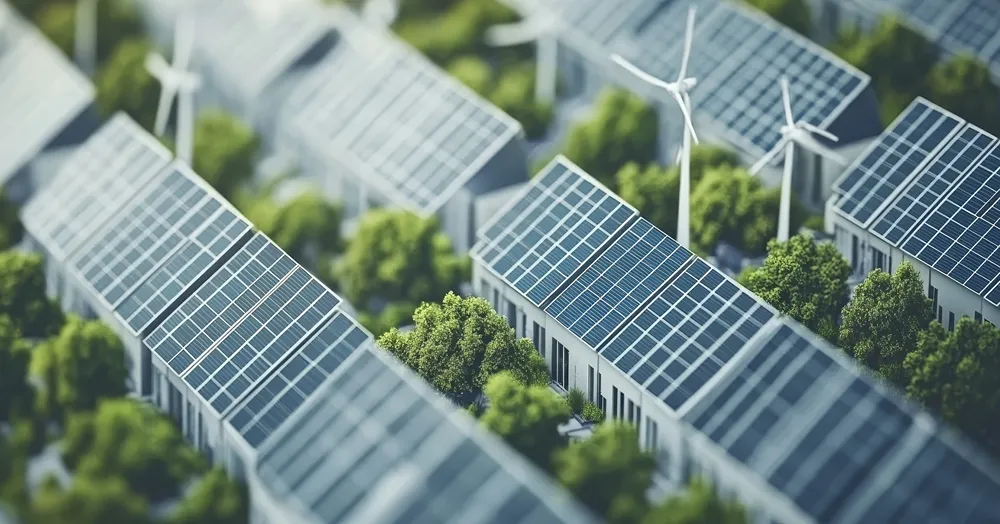
Renewable energy integration in smart building systems presents complex challenges that digital twin technologies are uniquely positioned to address. The variability of renewable energy sources like solar and wind requires sophisticated forecasting and coordination capabilities that digital twin framework implementations deliver exceptionally well for both individual buildings and smart cities infrastructure.
Digital twin models of renewable energy systems predict renewable energy generation based on weather forecasts, historical performance data, equipment degradation patterns, and real-time operational conditions. This predictive capability enables building energy management systems to coordinate energy storage, grid interactions, and controllable loads more effectively. The digital twin can simulate various scenarios to optimize energy flows between renewable energy generation, energy storage systems, building loads, and grid connections.
For smart building installations with rooftop solar, battery storage, and electric vehicle charging infrastructure, the digital twin provides unified views of these distributed energy resources that enable sophisticated coordination. The digital twin optimizes when to charge batteries, when to export power to the grid, when to charge electric vehicles, and when to shift non-critical loads based on renewable energy availability, energy costs, and grid conditions. This holistic resource management maximizes economic benefits while supporting grid stability and sustainability objectives.
The National Renewable Energy Laboratory reports that smart building systems with renewable energy integration enhanced by digital twin capabilities achieve 25-35% better economic performance through improved forecasting, optimized storage dispatch, and reduced grid dependence. The integration of renewable energy sources enabled by digital twin technology accelerates the transition to sustainable energy systems while maintaining reliability and energy efficiency. The future of energy in buildings will be characterized by high penetrations of renewable energy seamlessly integrated through intelligent digital twin platforms that coordinate generation, storage, and consumption in real-time.
How Do Digital Twins Enable Energy Prediction and Demand Forecasting?
Energy prediction and demand forecasting represent critical capabilities enabled by digital twin technology that transform how organizations approach energy management in smart buildings and cities. Accurate forecast energy consumption enables better procurement strategies, optimized control decisions, and proactive management of energy demand to reduce energy costs and enhance energy efficiency.
Digital twin platforms incorporate multiple data sources and analytical techniques to forecast energy consumption with unprecedented accuracy. Historical energy consumption data, weather forecasts, occupancy schedules, equipment performance characteristics, and real-time sensor data feed into machine learning algorithms that identify patterns and relationships driving energy demand. The artificial intelligence and digital twin combination enables continuous improvement in forecast accuracy as models learn from actual outcomes and refine their predictions.
Short-term energy consumption prediction enables smart building systems to make proactive control decisions that optimize energy performance. For example, the digital twin might predict high cooling loads based on weather forecasts and building occupancy schedules, enabling pre-cooling strategies that shift energy demand to off-peak periods with lower energy costs. Similarly, predictions of low occupancy enable reduced ventilation rates and lighting levels that reduce energy consumption without impacting occupants.
Long-term forecast energy consumption supports strategic planning for infrastructure upgrades, renewable energy investments, and sustainability initiatives. The digital twin can project future energy consumption under different scenarios, understanding how building renovations, occupancy changes, or equipment upgrades would affect overall energy consumption and energy costs. This scenario planning capability enables organizations to make informed investment decisions that balance economic, environmental, and operational objectives.
According to IEEE research, smart building systems using digital twin technology for energy prediction achieve forecast accuracy improvements of 30-45% compared to traditional methods. This enhanced accuracy translates directly to better operational decisions, lower energy costs, and improved energy efficiency across building portfolios. Organizations experienced in cyber security govcon understand that protecting digital twin platforms and the sensitive energy consumption data they contain is essential to maintaining operational security and stakeholder trust.
What Are the Sustainability Benefits of Digital Twin Implementation in Smart Cities?
Sustainability represents one of the most compelling drivers for digital twin adoption in smart cities and smart building applications. The digital twin framework provides the visibility, analytics, and control capabilities necessary to achieve ambitious sustainability targets while maintaining economic viability and service quality in urban environments.
Digital twin technology enables precise tracking of energy consumption and emissions across city infrastructure, buildings, and transportation systems. This comprehensive visibility allows city planners and policymakers to identify specific sources of energy waste and emissions, quantify the impact of different interventions, and prioritize investments that deliver maximum sustainability benefits. The digital twin provides evidence-based approaches to sustainability planning that replace assumptions with data-driven insights.
For smart and sustainable city development, the digital twin enables evaluation of different scenarios before making irreversible infrastructure commitments. City planners can use the digital twin to understand how different development patterns, transit systems, renewable energy deployments, or building codes would affect overall energy consumption, emissions, and sustainability outcomes. This scenario planning capability supports better decision-making that balances economic development, environmental protection, and social equity.
The integration of digital twins across buildings, utilities, and transportation enables coordinated sustainability strategies that deliver greater benefits than isolated interventions. For example, the city digital twin might coordinate electric vehicle charging schedules with renewable energy generation patterns, optimize district heating systems based on building occupancy, and adjust traffic signals to minimize vehicle emissions. This holistic approach to sustainable energy management delivers system-wide optimization that individual building or sector-focused approaches cannot achieve.
Research published in Sustainable Cities and Society demonstrates that smart cities implementing comprehensive digital twin platforms achieve 20-30% greater progress toward sustainability targets compared to cities using traditional planning approaches. The concept of smart cities as integrated systems rather than collections of independent components becomes reality through digital twin technology that enables coordinated management and optimization. Organizations investing in research development initiatives around digital twin platforms for urban sustainability position themselves at the forefront of the global transition to smart and sustainable cities.
How Can Digital Twins Enhance Energy Efficiency in Residential and Commercial Buildings?
Digital twin technology offers distinct approaches for enhancing energy efficiency in both residential buildings and commercial buildings, with applications tailored to the unique characteristics and requirements of each building type. The digital twin framework adapts to different scales, complexities, and use patterns while consistently delivering improvements in energy performance and sustainability.
For residential buildings, digital twin applications often focus on HVAC optimization, behavioral insights, and integration of distributed energy resources like rooftop solar and battery storage. The digital twin learns from occupant behavior patterns, understanding when spaces are occupied, what comfort preferences exist, and how energy use varies with activities. This learning enables personalized optimization strategies that reduce energy consumption while maintaining or improving comfort. Smart building technologies in residential buildings powered by digital twin platforms can achieve energy savings of 15-25% through intelligent control and occupant engagement.
For commercial buildings, digital twin implementations address more complex challenges including multi-zone HVAC systems, diverse occupancy patterns, sophisticated lighting requirements, and various plug load types. The digital twin coordinates these multiple systems, considering interactions that traditional building automation misses. For example, the digital twin understands how internal heat gain from lighting and equipment affects cooling requirements, how occupancy patterns should influence ventilation rates, and how weather conditions affect optimal control strategies throughout the day.
The energy efficiency in buildings achieved through digital twin technology extends beyond operational optimization to support strategic planning for renovations and upgrades. The digital twin enables testing of different improvement scenarios virtually, understanding how envelope improvements, equipment upgrades, or control system changes would affect energy performance and economics. This capability helps building owners make informed investment decisions that maximize returns in terms of energy savings, comfort improvements, and sustainability benefits.
According to Building and Environment journal research, commercial buildings using digital twin technology achieve 25-35% improvements in energy efficiency, while residential buildings achieve 15-25% improvements. The difference reflects the greater complexity and optimization potential in commercial buildings, though both building types benefit substantially from digital twin implementation. The energy performance of buildings enhanced with digital twin capabilities continues improving over time as models learn and discover new optimization strategies.
What Is the Future of Energy Management Systems in Smart Buildings and Cities?
The future energy systems in smart building and smart cities environments will be fundamentally shaped by advancing digital twin technology, artificial intelligence, and connectivity infrastructure. The future of energy management envisions autonomous systems capable of self-optimization, predictive control, and seamless coordination across buildings, grids, and urban infrastructure at unprecedented scale.
Next-generation digital twin platform implementations will incorporate advanced AI capabilities that enable truly autonomous energy management. These systems will continuously test optimization strategies in virtual environments, learn from outcomes, and adapt control strategies without human intervention. The ai and digital twin convergence will enable systems in smart cities to handle increasing complexity from renewable energy variability, electric vehicle charging, flexible loads, and bidirectional grid interactions while making optimization decisions thousands of times per second.
The integration of digital twin technology with emerging capabilities like edge computing, 5G networks, and quantum computing will unlock new possibilities for energy management in smart environments. Edge computing will enable faster response times for time-critical control decisions, 5G will provide ultra-reliable low-latency communications for coordinating distributed systems, and quantum computing may eventually enable optimization of complex urban energy systems that are computationally intractable today.
Blockchain integration with digital twin platforms represents another frontier for future energy management, enabling peer-to-peer energy trading, transparent tracking of renewable energy attributes, and new business models for energy services. Smart cities could implement transactive energy markets where buildings, electric vehicles, and other energy resources trade power based on real-time supply, demand, and pricing signals, all coordinated through digital twin platforms.
The McKinsey Urban Energy Analysis projects that digital twin adoption in smart building and smart cities applications will accelerate dramatically over the next decade, driven by declining technology costs, improving AI capabilities, and mounting pressure for sustainability. The digital twin development trajectory suggests these technologies will become standard infrastructure rather than competitive differentiators, making adoption essential for cities and building operators seeking to remain relevant in increasingly competitive and regulated environments.
How Can Organizations Successfully Implement Digital Twin Solutions for Building Energy Management?
Successfully implementing digital twin technology for building energy management requires systematic approaches addressing technical, organizational, and strategic considerations. The digital twin development and deployment must be viewed as transformation initiatives requiring leadership commitment, cross-functional collaboration, and sustained investment in technology, data infrastructure, and organizational capabilities.
Organizations should begin with pilot projects targeting specific buildings or systems where digital twin technology can deliver clear, measurable value. Common starting points include large commercial buildings with high energy costs, campus environments with multiple buildings, or residential buildings with significant energy waste. These pilots enable teams to develop expertise, demonstrate value to stakeholders, and refine implementation strategies before scaling to larger portfolios or city-wide deployments.
The digital twin framework must be designed for scalability and interoperability from the outset. Organizations should adopt open standards and avoid vendor lock-in that could limit future flexibility. Cloud-based digital twin platform implementations provide computational scalability necessary for sophisticated modeling, while ensuring data security and privacy through proper encryption and access controls. The physical and digital integration must be seamless, with reliable data flows from sensors and systems into the digital twin.
Data infrastructure represents a critical success factor, as digital twin platforms require vast amounts of high-quality data from diverse sources. Organizations must invest in sensor networks, building automation systems, and data integration platforms that reliably deliver the data streams digital twin models need. This often necessitates upgrading legacy systems, deploying additional sensors, and establishing governance frameworks for data management that ensure quality, security, and availability.
Change management cannot be overlooked, as digital twin implementation changes how personnel interact with buildings and make operational decisions. Staff require training not just on using digital twin platforms but on interpreting insights and incorporating data-driven decision-making into workflows. Organizations should establish clear governance frameworks defining how digital twin insights will inform facility management strategies and operational decisions. Those familiar with no bid contracts government contracting process understand that demonstrating successful digital twin implementation can strengthen positioning for future government opportunities in smart cities and sustainable energy initiatives.
Key Takeaways: Digital Twin Transformation in Smart Building and City Energy Management
- Integration of digital twins in smart building and smart cities enables 20-35% improvements in energy efficiency through real-time monitoring, predictive analytics, and autonomous optimization
- Digital twin framework implementations create virtual replicas that enable testing of optimization strategies, renovation scenarios, and equipment upgrades before physical implementation
- Energy management in smart cities benefits from coordinated optimization across buildings, transportation, and utilities that delivers greater sustainability benefits than siloed approaches
- Smart building systems enhanced with digital twin technology achieve superior energy performance while maintaining or improving comfort and energy efficiency for occupants
- Renewable energy integration becomes dramatically more effective with digital twin platforms that coordinate generation, energy storage, and consumption in real-time
- Energy prediction and demand forecasting enabled by digital twin technology achieves 30-45% accuracy improvements, enabling better operational and strategic decisions
- Sustainability goals become achievable through digital twin visibility into energy consumption patterns, emissions sources, and optimization opportunities across urban systems
- Both residential buildings and commercial buildings benefit from digital twin implementation, achieving energy savings of 15-35% depending on building type and complexity
- The future of energy management will be characterized by autonomous systems in smart environments that continuously optimize performance through AI-enhanced digital twin platforms
- Successful digital twin development and implementation requires systematic approaches addressing technology, data infrastructure, organizational capabilities, and change management

%402x.svg)

