
%402x.svg)



.svg.png)


The energy sector stands at a critical inflection point where traditional management approaches can no longer address the complexity, volatility, and sustainability imperatives defining modern energy systems. Digital twins represent a revolutionary technology in the energy sector that creates virtual replicas of physical energy infrastructure, enabling real-time monitoring, predictive analytics, and optimization across generation, distribution, and consumption domains. The integration of digital twins into energy management systems transforms how utilities, industrial facilities, and sustainable energy providers operate, delivering unprecedented improvements in energy efficiency, reliability, and environmental performance. This comprehensive exploration examines how digital twin technologies are reshaping the energy industry, from power grid modernization and renewable energy sources integration to demand forecasting and distributed energy resource coordination. Whether you lead energy management initiatives, plan energy infrastructure investments, or develop sustainable energy systems, this article provide a comprehensive understanding of how digital twins in energy applications drive the transition to renewable energy while maintaining operational excellence and economic viability. The potential of digital twins to revolutionize energy production and consumption represents one of the most significant technological advances within the energy sector today.
What Are Digital Twin Technologies in the Energy Industry?
Digital twin technologies create digital representation of physical energy assets, processes, and systems that continuously synchronize with real-world operations through sensor data, operational metrics, and environmental information. In the energy industry, digital twins model everything from individual turbines and transformers to entire power generation facilities, transmission networks, and distributed energy resources. The digital twin concept establishes a bidirectional connection between physical and digital domains where real-world conditions inform virtual models while digital twins send optimization recommendations and control signals back to physical systems.
The digital twin model integrates multiple data streams including equipment performance metrics, energy consumption patterns, weather conditions, energy market prices, and grid stability indicators. Advanced analytics engines process this information using machine learning algorithms, physics-based simulations, and optimization techniques to generate actionable insights. Digital twins enable management teams to visualize complex energy systems, test scenarios virtually, and predict outcomes before implementing changes in actual operations.
Application of digital twin technology in energy extends across the entire value chain from upstream power generation to downstream consumption. Power plants use digital twins to optimize combustion processes and predict maintenance needs. Transmission operators employ digital twin platforms to manage power grid stability and prevent cascades. Distribution utilities leverage digital twins to coordinate distributed energy resources and maintain service quality. This comprehensive application in energy demonstrates how digital twin technologies address challenges across every aspect of the energy sector. Explore foundational concepts in our guide to digital twin implementation.
How Do Digital Twins Enable Effective Energy Management?
Effective energy management requires balancing multiple competing objectives including cost minimization, reliability maximization, environmental compliance, and customer satisfaction. Digital twins provide a comprehensive platform for multi-objective optimization that traditional management systems cannot achieve. The digital twin system simultaneously evaluates how decisions impact different performance dimensions, revealing strategies that advance multiple goals rather than trading off one against another.
Digital twins enable real-time visibility into energy operations that transforms management from reactive problem-solving to proactive optimization. Rather than discovering inefficiencies after the fact through periodic audits or audit processes, digital twins continuously monitor performance and immediately identify deviations from optimal conditions. This instant feedback allows management teams to correct issues before they cascade into larger problems or significant waste. The energy management using smart deep learning algorithms and management using smart deep learning techniques enhances these capabilities further.
The ability of digital twins to simulate future scenarios revolutionizes strategic planning and operational decision-making. Energy management professionals can test different demand response strategies, evaluate alternative energy supply configurations, and assess how market conditions affect optimal operations. This virtual experimentation eliminates the risk and cost of trial-and-error approaches while accelerating learning and continuous improvement. The digital transformation enabled by digital twins positions organizations to thrive in increasingly complex and dynamic energy environments.
What Role Do Digital Twins Play in the Energy Sector's Power Grid Modernization?
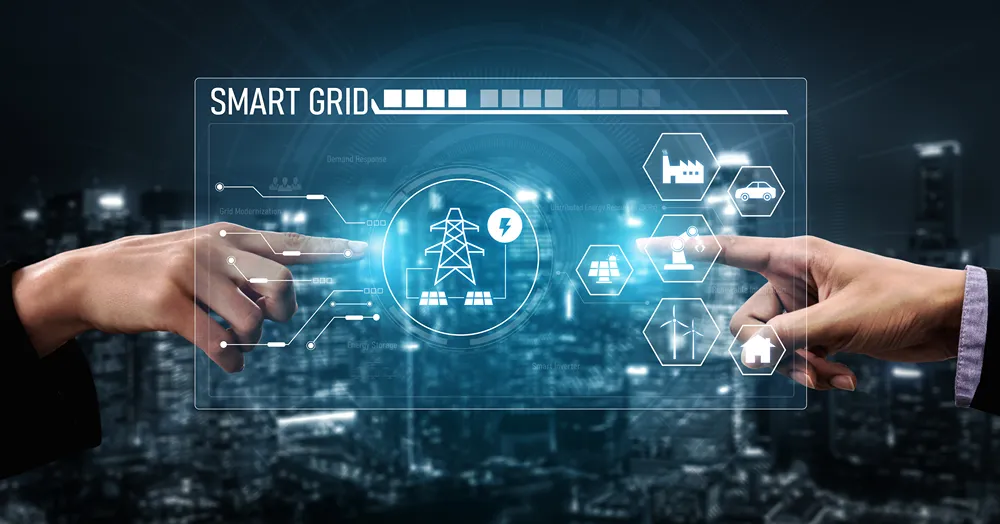
The power grid represents one of the most complex engineered systems ever created, and modernization efforts increasingly rely on digital twin technologies to manage this complexity. Traditional grids operated as one-way systems delivering electricity from centralized generators to passive consumers. Modern grids must coordinate bidirectional power flows, integrate variable renewable energy sources, manage energy storage systems, and respond to dynamic demand patterns. Digital twins create the visibility and control capabilities necessary to operate these sophisticated networks reliably.
Power grid digital twins model transmission and distribution infrastructure at multiple scales, from individual components like transformers and circuit breakers to regional networks spanning thousands of square miles. The digital twin in the energy grid monitors real-time conditions including voltage levels, power flows, equipment temperatures, and loading patterns. Advanced analytics identify potential failures, predict where congestion will occur, and recommend optimal switching configurations that maintain stability while minimizing losses.
Integration of renewable energy sources creates particular challenges for power grid stability due to generation variability. Digital twins can simulate how different levels of solar energy and wind penetration affect grid operations under various weather conditions. This analysis informs investment decisions about energy storage systems placement, transmission upgrades, and operational procedures that enable higher renewable energy integration while maintaining reliability. The comprehensive review of grid modernization initiatives consistently identifies digital twins as essential enablers of the transition to renewable energy. Learn more about smart cities leveraging these technologies.
How Can Digital Twins Optimize Energy Consumption and Improve Energy Efficiency?
Energy consumption optimization represents a critical application where digital twins deliver immediate value across industrial, commercial, and residential sectors. Industrial facilities use digital twins to model production processes, identify energy-intensive operations, and discover efficiency improvements. The digital twin can simulate how process modifications, equipment upgrades, or operational schedule changes affect total energy use while maintaining production targets and quality standards.
Building energy management systems enhanced with digital twin capabilities achieve deeper optimization than conventional building automation. The digital twin models how HVAC systems, lighting, equipment loads, and occupancy patterns interact to determine total energy consumption. Predictive algorithms forecast energy demand based on weather forecasts, scheduled activities, and historical patterns, enabling proactive adjustments that reduce energy consumption while maintaining comfort. These capabilities particularly benefit commercial real estate portfolios where digital twins compare performance across properties and identify best practices for replication.
Digital twins allow organizations to quantify the impact of energy efficiency investments before committing capital. Rather than relying on simplified calculations or vendor claims, decision-makers can simulate how LED lighting upgrades, insulation improvements, or equipment replacements affect actual energy consumption under real operating conditions. This evidence-based approach to energy management ensures investments deliver expected returns while advancing sustainability objectives. The application of digital twin analytics transforms energy efficiency from a compliance obligation into a strategic advantage. Discover workflow automation supporting these initiatives.
What Are Key Applications of Digital Twin Technologies in Renewable Energy Systems?
Renewable energy systems benefit tremendously from digital twin technologies that address the unique challenges of variable generation, geographic dispersion, and integration complexity. Solar energy installations use digital twins to optimize panel orientation, predict generation output, and schedule maintenance activities. The digital twin models how shading, soiling, panel degradation, and weather conditions affect energy production, enabling operators to maximize yield while minimizing operational costs.
Wind farms represent another key application where digital twins enhance performance through turbine-level and farm-level optimization. Individual turbine digital twins monitor blade conditions, gearbox performance, and generator health to predict failures before they occur. Farm-level digital twins coordinate multiple turbines to optimize energy output while minimizing wake effects and mechanical stress. This multi-scale optimization significantly increases capacity factors and extends equipment lifespan compared to traditional management approaches.
Energy storage systems paired with renewable energy sources require sophisticated coordination that digital twins enable through integrated modeling and control. The digital twin determines optimal charging strategies considering renewable energy availability, grid conditions, electricity prices, and battery health. This intelligent management maximizes revenue from energy arbitrage and ancillary services while preserving battery longevity. The integration of renewable energy with storage creates virtual power generation assets that provide reliable capacity despite variable primary generation. Read about broader impacts in our analysis of how AI and digital twins are revolutionizing business operations.
How Do Digital Twins Support Distributed Energy Resource Management?
Distributed energy resources including rooftop solar, battery storage, electric vehicle chargers, and controllable loads create both opportunities and challenges for energy management. Digital twins aggregate data from thousands or millions of distributed assets to create coherent visibility into their collective impact on the energy system. This visibility enables utilities and grid operators to manage energy flows, maintain voltage stability, and leverage distributed resources for grid services.
Virtual power plant concepts rely on digital twin platforms that coordinate diverse distributed energy resources to function as unified generation or demand response assets. The digital twin optimizes dispatch across participating resources considering their individual constraints, owner preferences, and market opportunities. This coordination transforms fragmented distributed assets into valuable grid resources that provide reliability, flexibility, and capacity services previously available only from centralized infrastructure.
Digital twins can also facilitate peer-to-peer energy trading and community microgrids where prosumers exchange electricity directly. The digital twin tracks energy production and consumption, manages financial settlements, and ensures grid stability as power flows shift dynamically. This capability supports new business models and ownership structures that democratize energy participation while advancing clean energy adoption. The future of energy envisions millions of active participants coordinated through digital twin platforms rather than passive consumers served by centralized utilities.
What Benefits Do Digital Twin Technologies Deliver for Energy Production Optimization?
Energy production facilities spanning fossil fuel plants, nuclear stations, hydroelectric dams, and renewable energy systems achieve substantial performance improvements through digital twin implementation. Thermal power plants use digital twins to optimize combustion processes, minimize emissions, and predict equipment degradation. The digital twin model simulates how fuel composition, ambient conditions, and load demand affect efficient operations, recommending real-time adjustments that improve heat rates and reduce energy waste.
Combined heat and power systems benefit from digital twin optimization that balances electrical generation with thermal energy production to maximize total system efficiency. The digital twin considers electrical demand, heating requirements, fuel costs, and equipment constraints to determine optimal operating points. This integrated optimization captures value that independent management of electricity and heat generation would miss, improving economic performance while reduce energy consumption compared to separate systems.
Hydroelectric facilities employ digital twins to optimize water management considering multiple objectives including power generation, flood control, irrigation, and environmental flows. The digital twin models reservoir dynamics, turbine performance, and downstream impacts to recommend release schedules that balance competing demands. This sophisticated management ensures hydroelectric assets deliver maximum value across all their functions rather than optimizing electricity production alone. The application of digital twin technology transforms asset management from single-objective optimization to holistic value maximization.
How Are Digital Twins Transforming Energy Demand Forecasting and Management?
Demand forecasting accuracy directly impacts energy system efficiency, reliability, and economics. Digital twins improve forecasting through comprehensive modeling that accounts for weather patterns, economic activity, consumer behavior, and equipment performance. Machine learning algorithms analyze historical patterns while considering current conditions to forecast energy demand with unprecedented precision. This accuracy enables better generation scheduling, reduced reserve requirements, and more efficient market operations.
Demand response programs leveraging digital twin platforms achieve higher participation and greater effectiveness than traditional approaches. The digital twin identifies which loads offer flexibility, quantifies their curtailment potential, and optimizes activation schedules that maximize value while minimizing customer inconvenience. Real-time optimization balances immediate grid needs with participant preferences, creating win-win outcomes that benefit both system operators and consumers.
Industrial demand management using digital twin analytics enables sophisticated load shaping that reduces electricity costs while maintaining production targets. The digital twin models how process schedules, equipment operation, and energy storage deployment affect total energy costs considering time-varying rates, demand charges, and participation in demand response programs. This comprehensive optimization identifies strategies that significantly reduce energy expenses without compromising operational objectives. The system using digital twin intelligence transforms demand from an uncontrollable variable into a managed resource.
What Role Does Digital Transformation Play in Energy Sector Sustainability?
Digital transformation powered by digital twin technologies accelerates the energy sector transition toward sustainability by enabling operations that were previously impossible with conventional systems. The integration of digital twins allows simultaneous optimization across economic, environmental, and social dimensions rather than treating sustainability as a constraint on financial performance. Digital twins identify strategies that improve profitability while reducing emissions, demonstrating that these goals can align rather than conflict.
Sustainable energy systems require sophisticated coordination between variable renewable energy sources, flexible energy storage systems, controllable loads, and backup generation. Digital twins create the visibility and control capabilities necessary to operate these complex systems reliably while maximizing clean energy utilization. The digital twin optimizes when to use renewable energy directly, when to store it, and when to supplement with conventional generation, ensuring stability while minimizing carbon intensity.
Energy infrastructure planning for decarbonization relies on digital twin scenario modeling that evaluates alternative pathways to emissions reduction targets. Utilities can simulate different combinations of renewable energy deployment, energy storage investment, transmission expansion, and demand flexibility to identify cost-effective strategies. This analysis informs regulatory proceedings, capital allocation decisions, and operational procedures that achieve climate goals within economic constraints. The potential of digital twins to enable evidence-based decarbonization planning makes them essential tools for the energy transition. Explore comprehensive transformation in our digital twin technology revolution analysis.
How Can Organizations Implement Digital Twin Technologies in Energy Operations?
Developing digital twins for energy applications requires systematic approaches addressing technical architecture, data infrastructure, organizational capabilities, and change management. Organizations should begin by identifying high-value use cases where digital twins can demonstrate measurable benefits quickly. Starting with focused applications like predictive maintenance for critical equipment or optimization of specific processes allows teams to build expertise while delivering results that justify further investment.
Data infrastructure represents the foundation for successful digital twin deployment. Energy organizations must establish sensor networks, communication systems, and data platforms that capture operational metrics, equipment status, and environmental conditions. The integration of digital data from operational technology and information technology domains presents particular challenges requiring careful architecture design and robust governance. Data quality, security, and availability directly determine digital twin effectiveness, making these infrastructure investments essential prerequisites.
Organizational readiness determines whether digital twin implementations deliver sustained value or become underutilized technical capabilities. Management teams need training to interpret digital twin insights, trust analytical recommendations, and incorporate data-driven decision-making into operational processes. Change management programs should address cultural shifts, skill development, and process redesign alongside technical deployment. Successful integrating digital twins requires equal attention to human and technological dimensions of transformation. Consider artificial intelligence adoption strategies supporting implementation.
What Does Comprehensive Review Reveal About Digital Twin Trends in Energy?
Comprehensive review of digital twin implementations across the energy sector reveals consistent patterns of benefit realization alongside common challenges that organizations must address. Research from leading institutions documents hundreds of deployments spanning utilities, independent power producers, industrial energy users, and emerging sustainable energy ventures. Success stories demonstrate energy efficiency improvements ranging from 5-30%, maintenance cost reductions of 10-25%, and reliability enhancements measured through reduced outage durations and frequencies.
The trends of digital twin adoption show accelerating investment driven by multiple factors including decarbonization commitments, grid modernization requirements, competitive pressure, and technology maturation. Early implementations focused on specific assets or processes, while recent deployments increasingly pursue enterprise-scale digital twin platforms that span entire energy systems. This evolution reflects growing organizational capabilities, declining technology costs, and recognition that maximum value comes from integrated management rather than siloed applications.
Comprehensive review also identifies persistent implementation challenges that slow digital twin adoption despite strong value propositions. Data quality and integration complexity top the list of technical barriers, particularly when modernizing legacy infrastructure with limited instrumentation. Organizational resistance and capability gaps present equally significant obstacles where traditional management approaches conflict with data-driven decision-making. Addressing these challenges requires patient, systematic programs that combine technical deployment with culture change and skill development. Industry analysis from Gartner confirms these patterns across energy sectors globally.
Key Takeaways: Essential Points About Digital Twins in Energy Management
- Digital twin technologies create virtual replicas of energy assets and systems that enable real-time monitoring, predictive analytics, and optimization across the entire energy sector value chain from generation through consumption
- Energy management powered by digital twins delivers simultaneous improvements in energy efficiency, operational efficiency, cost reduction, reliability, and environmental performance that conventional systems cannot achieve
- Power grid modernization relies heavily on digital twins to coordinate complex interactions between centralized generation, distributed energy resources, energy storage systems, and dynamic demand patterns
- Renewable energy systems benefit from digital twin applications that optimize performance, predict generation output, schedule maintenance, and enable grid integration despite variable production
- Energy consumption optimization through digital twins spans industrial processes, commercial buildings, and residential facilities, delivering measurable energy efficiency improvements while maintaining operational objectives
- Distributed energy resource management using digital twin platforms creates virtual power plants, enables peer-to-peer trading, and transforms passive consumers into active prosumers
- Energy production facilities across all generation types achieve performance improvements through digital twin optimization of operations, maintenance, and asset management
- Demand forecasting and management capabilities enhanced by digital twins improve accuracy, enable effective demand response, and transform loads into flexible grid resources
- Digital transformation accelerates energy sector sustainability by enabling sustainable energy systems that balance economic, environmental, and social objectives simultaneously
- Successful implementation requires addressing data infrastructure, organizational capabilities, and change management alongside technical deployment of digital twin platforms
- Comprehensive review evidence confirms widespread benefits while identifying common challenges including data quality, integration complexity, and organizational readiness that require systematic attention
- Digital twins play a crucial role in the transition to renewable energy by creating the visibility, control, and optimization capabilities necessary for reliable operations with high penetrations of variable generation
- The potential of digital twins extends beyond current applications to enabling entirely new business models, market structures, and management approaches that reshape how energy is produced, distributed, and consumed
- Organizations leveraging digital twin technologies gain competitive advantages through superior operational efficiency, faster clean energy deployment, and more resilient energy systems capable of adapting to evolving markets and regulations
- The integration of digital twins across the energy industry represents one of the most significant technological transformations within the energy sector, fundamentally changing operational paradigms and enabling the future of energy systems
External Resources for Further Reading:
- U.S. Department of Energy research explores digital transformation initiatives advancing grid modernization and clean energy integration across the energy sector
- IEEE publications offer technical papers on digital twin architectures, algorithms, and application of digital twin technology in energy systems and power generation
- International Energy Agency provides analysis of technology in the energy sector, energy management best practices, and global trends of digital twin adoption
- Gartner research examines market dynamics, vendor landscapes, and strategic implications of digital twin implementation in utilities and energy companies
This comprehensive exploration demonstrates how digital twins in energy applications represent fundamental transformation rather than incremental improvement. The energy digital twin technology creates unprecedented capabilities for management of complex energy systems while accelerating the transition to renewable energy and advancing sustainable energy goals. Organizations that embrace digital twin technologies position themselves to thrive in the evolving energy industry characterized by decarbonization, decentralization, digitalization, and democratization. The twins in the energy sector and twins in the energy industry exemplify how technology in the energy domain enables solutions to urgent challenges including climate change, grid reliability, and equitable energy access. As the energy sector continues its rapid evolution, digital twins will increasingly play a crucial role as essential infrastructure enabling the resilient energy systems that power sustainable prosperity. The overall energy transformation underway positions digital twins as foundational capabilities for the future of energy systems serving communities, industries, and economies worldwide. Through thoughtful application of digital twin technology and committed management of energy resources, organizations can achieve the efficiency, sustainability, and resilience that define excellence in the modern energy industry.

%402x.svg)

