
%402x.svg)


.svg.png)


The energy industry stands at the forefront of a technological revolution where digital twin in energy applications are fundamentally transforming energy systems and redefining how we generate, distribute, and consume power. Digital twins in energy management create sophisticated virtual replicas of physical infrastructure, enabling unprecedented levels of control, optimization, and predictive capability across the entire energy value chain. From power grids and power plants to wind turbines and distributed energy resources, digital twin technologies deliver real-time monitoring, predictive analytics, and intelligent automation that traditional management systems cannot achieve. This comprehensive exploration examines how using digital twin platforms transforms operational excellence in the energy sector, addresses critical challenges including renewable energy integration and grid stability, and unlocks new possibilities for sustainable energy delivery. Whether you're an energy management professional seeking to optimize energy operations, a utility executive planning infrastructure investments, or a technology leader evaluating digital transformation opportunities, this article provides essential insights into the significance of digital innovation reshaping the future of energy. Discover how digital twins are revolutionizing energy operations and creating smarter, more resilient energy infrastructure that serves the contemporary energy landscape's complex demands.
What Is a Digital Twin in Energy Management and How Does It Work?
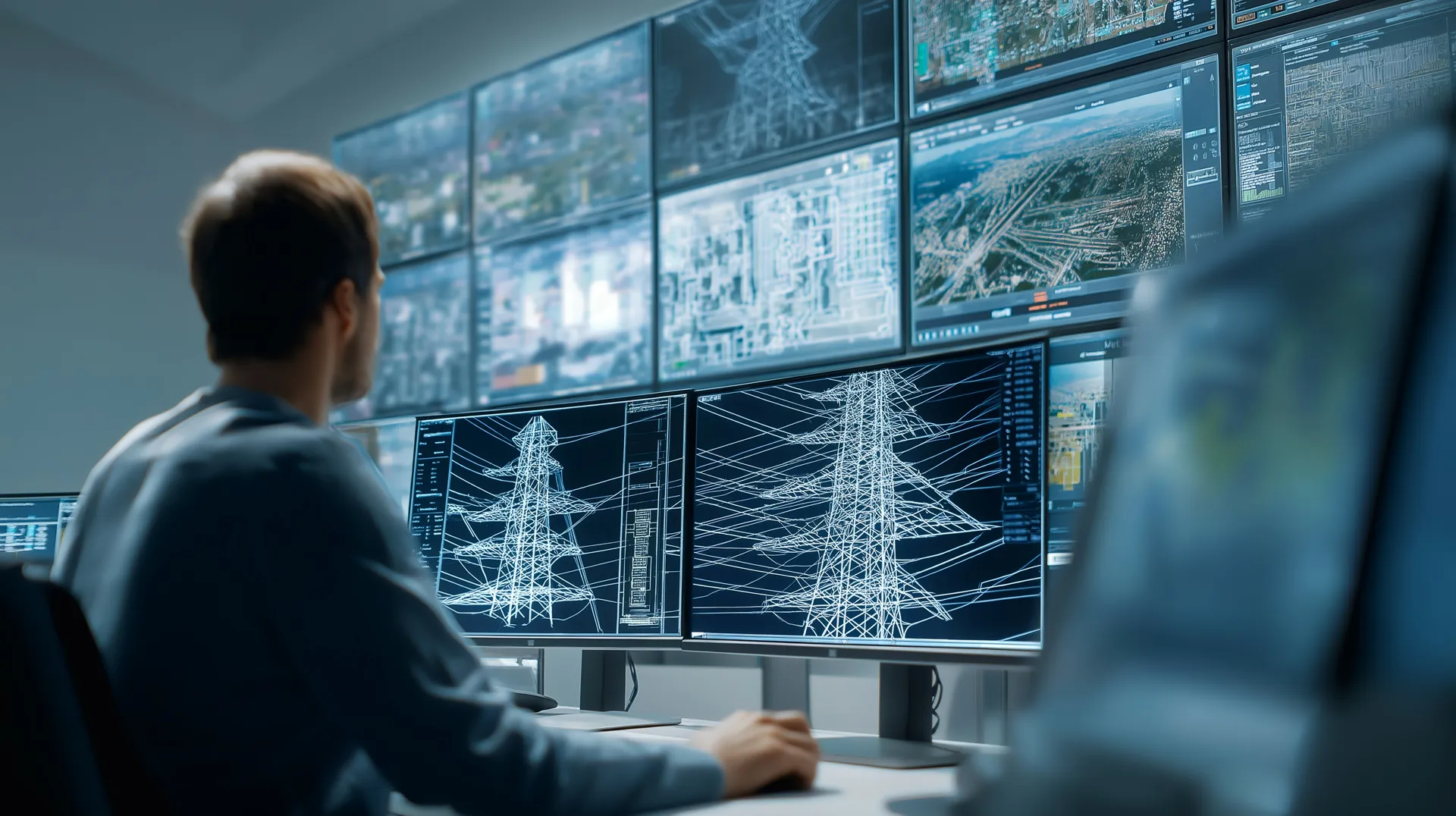
A digital twin is a virtual replica of physical energy assets, processes, and systems that maintains continuous synchronization through real-time data from sensors, control systems, and operational platforms. In energy management, the digital twin in energy infrastructure creates dynamic digital twin models of power plants, transmission networks, distribution systems, and end-user facilities. This digital replica integrates information from IoT sensors, SCADA systems, weather stations, and market platforms to provide comprehensive visibility into energy system performance.
Digital twin technologies combine multiple analytical approaches including physics-based simulation, machine learning algorithms, and optimization engines to generate actionable insights. The digital twin processes real-time data streams measuring energy production, consumption patterns, equipment health, grid stability, and environmental conditions. Advanced analytics identify inefficiencies, predict equipment failures, and recommend optimal operating strategies that improve energy performance across multiple dimensions simultaneously.
The physical and digital connection enables bidirectional communication where real-world conditions inform virtual models while digital twins send control signals and optimization recommendations back to physical systems. This closed-loop integration allows energy operators to test scenarios virtually before implementing changes in actual operations, dramatically reducing risk while accelerating continuous improvement. The twin in energy applications represents far more than monitoring—it creates intelligent, self-optimizing infrastructure capable of adapting to dynamic conditions autonomously. Learn more about foundational concepts in our guide to digital twin implementation.
What Are the Key Applications of Digital Twins in the Energy Industry?
The applications of digital twins span every domain within the energy sector, delivering value across generation, transmission, distribution, and consumption. Power generation facilities including fossil fuel plants, nuclear stations, and renewable energy installations use digital twin platforms to optimize operations, predict maintenance needs, and extend equipment lifespan. Power plant operators leverage digital twins to model combustion processes, turbine performance, and heat transfer systems, identifying efficiency improvements that reduce fuel consumption and emissions.
Transmission and distribution power grids represent critical applications where digital twins address complexity that traditional management approaches cannot handle. The digital twin models how electricity flows through interconnected networks, predicts where congestion will occur, and recommends switching configurations that maintain reliability while minimizing losses. Grid management enhanced by digital twin capabilities enables operators to coordinate distributed energy resources, integrate variable renewable energy sources, and maintain stability despite increasingly dynamic conditions.
Renewable energy installations including wind farms, solar arrays, and energy storage technologies achieve superior performance through digital twin optimization. A wind turbine digital twin monitors blade conditions, predicts energy output based on weather forecasts, and schedules maintenance to maximize availability during high-value periods. Energy companies operating diverse portfolios leverage digital twins to coordinate operations across multiple sites, balancing generation against energy demand while optimizing market participation. Read about broader impacts in our analysis of how AI and digital twins are revolutionizing business operations.
How Do Digital Twins Enable Real-Time Monitoring and Predictive Analytics?
Real-time monitoring capabilities provided by digital twins transform energy management from reactive problem-solving to proactive optimization. Traditional management systems rely on periodic inspections and historical data analysis that often miss emerging issues until they become serious problems. Digital twins monitor energy infrastructure continuously, capturing performance variations and detecting anomalies instantly through advanced pattern recognition algorithms.
Predictive analytics powered by digital twin platforms anticipate future conditions and potential failures before they impact operations. Machine learning models analyze real-time data alongside historical patterns to predict when equipment will require maintenance, how energy demand will evolve, and where system stresses may cause disruptions. This foresight allows energy operators to position resources proactively, schedule interventions during convenient windows, and prevent costly unplanned outages.
Digital twins can predict equipment failures days or weeks in advance by identifying subtle degradation indicators that human operators would miss. Temperature trends, vibration patterns, acoustic signatures, and performance deviations collectively reveal equipment health trajectories. The digital twin integrates these diverse signals into comprehensive health assessments that support confident maintenance decisions. This capability extends asset lifespan, reduces maintenance costs, and improves system reliability compared to traditional time-based or run-to-failure approaches.
What Benefits of Digital Twins Drive Energy Sector Adoption?
The benefits of digital twins extend across operational, financial, and environmental dimensions, creating compelling value propositions that drive rapid adoption of digital twin technology throughout the energy industry. Improved energy efficiency represents the most visible benefit where digital twins identify waste, optimize processes, and reduce energy losses across generation and delivery infrastructure. Organizations report efficiency gains ranging from 5-20% depending on baseline conditions and implementation scope.
Cost reduction through optimized maintenance strategies delivers substantial financial benefits. Digital twins enable predictive maintenance that catches problems early before they cause expensive secondary damage or unplanned outages. Energy firms eliminate unnecessary preventive maintenance while avoiding reactive emergency repairs, achieving optimal balance between intervention costs and reliability. This sophisticated management approach reduces total maintenance expenses by 10-30% compared to traditional methods.
Environmental sustainability advances through digital twin optimization that reduces emissions, enables renewable energy integration, and supports decarbonization strategies. Digital twins help organizations model trade-offs between economic performance and environmental impact, identifying pathways that achieve both objectives. The technology facilitates sustainable energy transitions by managing variable renewable energy sources, coordinating energy storage technologies, and maintaining grid stability despite generation intermittency. Explore comprehensive transformation in our digital twin technology revolution analysis.
How Can Digital Twins Optimize Energy Consumption and Reduce Energy Waste?
Energy consumption optimization represents a critical application where digital twins deliver immediate value across industrial, commercial, and residential sectors. Industrial energy users use digital twin platforms to model production processes, identify energy-intensive operations, and discover efficiency improvements. The digital twin simulates how process modifications, equipment upgrades, or operational schedule changes affect total energy use while maintaining production targets and quality standards.
Reducing energy waste becomes systematic through continuous monitoring and analysis that digital twins provide. Rather than relying on periodic energy audits that capture snapshots of performance, digital twins track energy flows continuously and identify waste immediately. The technology reveals opportunities to eliminate standby losses, optimize HVAC operations, improve lighting efficiency, and minimize auxiliary power consumption that doesn't contribute to productive purposes.
Building and facility management enhanced with digital twin capabilities achieves deeper optimization than conventional automation systems. The digital twin models how heating, cooling, lighting, and equipment loads interact to determine total energy consumption. Predictive algorithms forecast demand based on weather, occupancy patterns, and scheduled activities, enabling proactive adjustments that reduce energy usage while maintaining comfort and functionality. These capabilities particularly benefit energy providers serving commercial real estate portfolios where digital twins compare performance across properties and identify best practices for replication.
What Role Do Digital Twins Play in Power Grid Management and Stability?
Power grid management faces mounting complexity from distributed energy resources, variable renewable energy, electric vehicle charging, and increasingly dynamic demand patterns. Digital twins create the visibility and control capabilities necessary to operate modern power grids reliably despite these challenges. The digital twin models how electricity flows through transmission and distribution networks, predicts voltage variations, and recommends control actions that maintain stability.
Power grids enhanced with digital twin intelligence can simulate energy scenarios testing how different conditions impact system performance. Operators evaluate how additional renewable energy generation affects stability, whether existing power infrastructure can handle increased loads, and what control strategies prevent cascading failures. This scenario planning informs investment decisions, operational procedures, and contingency plans that strengthen grid resilience.
Grid management during emergencies demonstrates the capabilities of digital twins to support rapid decision-making under pressure. When equipment failures, severe weather, or other disruptions threaten power delivery, the digital twin simulates system behavior under degraded conditions and recommends optimal responses. The power network operator can quickly evaluate alternative switching configurations, load shedding strategies, and restoration sequences that minimize customer impacts while protecting infrastructure. This sophisticated digital intelligence transforms crisis response from reactive improvisation to confident execution of pre-analyzed strategies. Discover applications in smart cities infrastructure.
How Are Digital Twins for Energy Management Transforming Renewable Energy Integration?
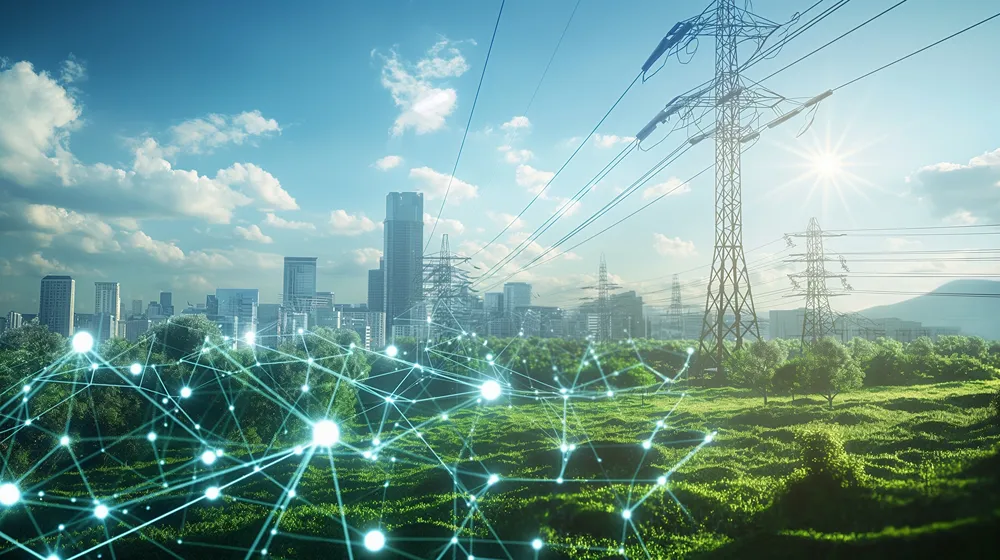
Digital twins for energy management address the unique challenges of renewable energy sources including generation variability, geographic dispersion, and integration complexity. Solar and wind installations produce power based on weather conditions, creating intermittency that conventional energy infrastructure struggles to accommodate. Digital twins model how renewable energy interacts with traditional generation, storage systems, and power grids to maintain reliability while maximizing clean energy utilization.
Renewable energy integration requires sophisticated forecasting that digital twins can simulate with unprecedented accuracy. The digital twin combines weather predictions, historical performance patterns, and real-time sensor data to forecast energy output hours or days in advance. This foresight enables system operators to adjust backup generation, position energy storage technologies, and coordinate demand response programs that buffer renewable energy variability.
Energy storage technologies paired with renewable energy require intelligent coordination that digital twins enable through integrated modeling and control. The digital twin determines optimal charging strategies considering generation availability, power grids conditions, electricity prices, and battery health. This management maximizes revenue from energy arbitrage and grid services while preserving storage system longevity. The integration creates virtual power generation assets providing reliable capacity despite variable primary sources. Consider artificial intelligence adoption supporting these systems.
What Challenges of Digital Twin Implementation Must the Energy Sector Address?
Implementing digital twins in the energy sector presents technical, organizational, and strategic challenges that organizations must address systematically. Data integration complexity tops the list as energy infrastructure involves diverse systems, protocols, and platforms spanning decades of technology evolution. Legacy SCADA systems, modern IoT networks, enterprise software, and market platforms must be unified into coherent data environments. Data management ensuring quality, security, and timeliness across these sources demands significant effort.
The challenges of digital twin deployment include organizational readiness and change management alongside technical implementation. Energy sector personnel accustomed to traditional operational methods may question digital twin recommendations that contradict established practices. Building trust requires demonstrating accuracy through pilot projects, providing transparency into analytical methods, and creating collaborative processes where digital intelligence augments human expertise rather than replacing it.
Risk management considerations include cybersecurity threats, data privacy concerns, and operational dependencies on technology systems. Energy sector organizations operating critical energy infrastructure must ensure digital twin platforms maintain rigorous security standards preventing unauthorized access or manipulation. The energy sector must balance innovation benefits against protection requirements, implementing robust security architectures while avoiding excessive conservatism that delays valuable capability deployment. Integrating digital solutions requires careful risk assessment and mitigation strategies.
How Do Digital Twins Monitor and Manage Distributed Energy Resources?
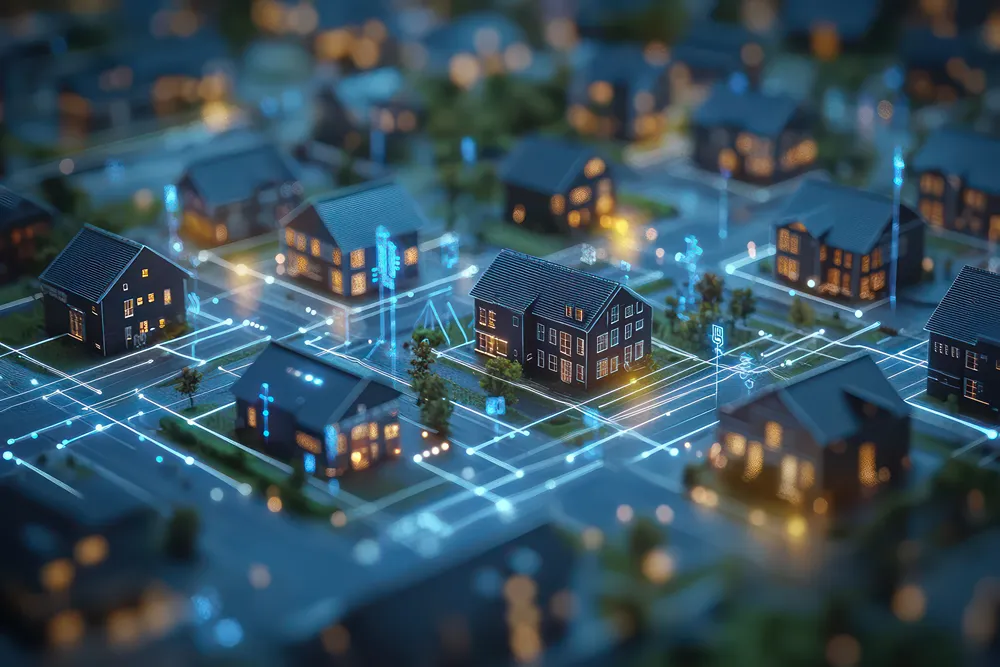
Distributed energy resources including rooftop solar, battery storage, electric vehicle chargers, and controllable loads create both opportunities and complexity for power grid operations. Digital twins to monitor these diverse assets aggregate data from thousands or millions of devices to create coherent visibility into their collective impact. This comprehensive perspective enables utilities and grid operators to coordinate resources effectively while respecting individual owner preferences and constraints.
Virtual power plant concepts rely on digital twin platforms that orchestrate distributed energy resources to function as unified generation or demand response assets. The digital twin optimizes dispatch across participating resources considering their capabilities, availability, and economic incentives. This coordination transforms fragmented distributed assets into valuable grid resources providing reliability, flexibility, and capacity services previously available only from centralized infrastructure.
Energy usage patterns from distributed energy resources vary dramatically across locations, times, and customer types. Digital twins analyze these patterns to identify optimization opportunities, predict how aggregated resources will perform, and develop control strategies that maximize value. The technology enables new business models including peer-to-peer energy trading, community microgrids, and transactive energy markets where participants actively manage their energy portfolios. This transformation positions distributed energy resources as integral energy system components rather than peripheral additions.

What Is the Future of Energy Management with Digital Twins?
The future of energy management centers on increasingly autonomous digital twin systems requiring minimal human intervention for routine operations. Advanced artificial intelligence algorithms will enable digital twins to handle complex optimization decisions automatically, continuously balancing generation resources, managing storage, and coordinating distributed assets within established parameters. This autonomy frees human operators to focus on strategic planning, policy development, and continuous improvement rather than tactical decision-making.
Future energy systems will feature digital twin platforms integrating with emerging technologies including quantum computing, blockchain, and extended reality. Quantum algorithms may solve complex energy system optimization problems in seconds rather than hours, enabling real-time coordination across vast networks. Blockchain integration could support transparent, automated energy trading among millions of participants. Augmented reality interfaces will allow operators to visualize digital twin insights overlaid on physical infrastructure during inspections and maintenance.
The energy sector may evolve toward democratized management where buildings, communities, and individual consumers leverage simplified digital twin capabilities to optimize energy automatically. Residential energy management systems powered by digital twin intelligence will coordinate generation, storage, and consumption with grid signals without requiring expert knowledge. This transformation enables energy system participation accessible to everyone, supporting the future energy vision where millions of active prosumers contribute to stability and sustainable energy delivery. The twins in the energy industry promise resilient energy systems at every scale. Explore industry applications in construction and infrastructure.
Key Takeaways: Essential Points About Digital Twins in Energy Management
- Digital twin in energy creates virtual replicas of power grids, power plants, renewable energy systems, and energy infrastructure that mirror physical operations through real-time data integration and advanced analytics
- Energy management powered by digital twins achieves simultaneous improvements in efficiency, reliability, cost reduction, and environmental performance that traditional management systems cannot deliver
- Real-time monitoring and predictive analytics transform operations from reactive problem-solving to proactive optimization, identifying issues before they cause failures or inefficiencies
- The benefits of digital twins include improved energy efficiency (5-20% gains), reduced maintenance costs (10-30% savings), extended asset lifespan, and accelerated renewable energy integration
- Applications of digital twins span power generation, transmission, distribution, and consumption, with proven value across fossil fuel plants, nuclear facilities, renewable energy sources, and end-user systems
- Power grid management relies increasingly on digital twins to coordinate distributed energy resources, integrate variable renewable energy, and maintain stability despite dynamic conditions
- Renewable energy integration becomes manageable through digital twin forecasting, energy storage technologies coordination, and intelligent control that buffers generation variability
- Implementing digital twins requires addressing data management challenges, organizational readiness factors, cybersecurity risk, and change management alongside technical deployment
- Digital twins optimize energy consumption and reduce energy waste across industrial processes, commercial buildings, and residential facilities through continuous monitoring and automated control
- Distributed energy resources benefit from digital twin platforms that enable virtual power plants, peer-to-peer trading, and transactive energy markets transforming passive consumers into active prosumers
- The future of energy features increasingly autonomous digital twin systems, integration with quantum computing and blockchain, and democratized energy management accessible to all participants
- Revolutionizing energy operations through digital twin technologies positions organizations to thrive in evolving markets characterized by decarbonization, decentralization, and digitalization
- Transforming energy systems with digital twins addresses urgent challenges including climate change, grid reliability, and equitable energy access while creating smarter, more resilient energy infrastructure
- The significance of digital innovation in energy management extends beyond operational improvements to enabling entirely new business models, market structures, and sustainability pathways
- Organizations deploying digital twins gain competitive advantages through superior operational performance, faster clean energy adoption, and more adaptive infrastructure capable of evolving with technology and regulatory changes
External Resources for Further Reading:
- U.S. Department of Energy research explores digital transformation initiatives advancing grid modernization and sustainable energy integration across the energy sector
- IEEE publications offer technical papers on digital twin architectures, algorithms, and applications in power grids and energy systems
- International Energy Agency provides analysis of energy management best practices, renewable energy trends, and digital twin adoption globally
- Gartner research examines market dynamics, vendor landscapes, and strategic implications of digital twin solutions in utilities and energy companies
This comprehensive exploration demonstrates how digital twins in energy management represent fundamental transformation of how the energy industry operates. The twin in energy applications creates unprecedented capabilities for management of complex energy systems while accelerating transitions to sustainable energy and addressing climate imperatives. Organizations that embrace digital twin technologies position themselves to lead in the evolving energy sector where digital transformation enables solutions to urgent challenges. The capabilities of digital twins continue expanding as computational power advances, data management improves, and analytical methods become more sophisticated. Through thoughtful adoption of digital twin platforms and committed energy management excellence, the energy sector can achieve the efficiency, sustainability, and resilience that define success in contemporary energy markets. The system digital intelligence used in energy operations today will shape the future energy systems serving communities and economies for decades to come, making digital twins essential infrastructure for anyone serious about revolutionizing energy delivery and management.

%402x.svg)

